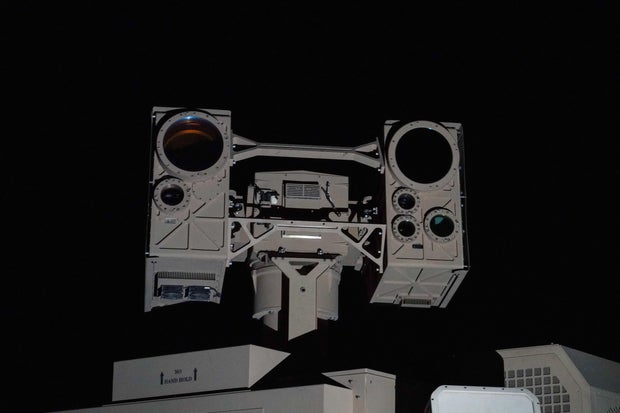
The U.S. military has adopted a high-energy laser weapon system to combat drone incursions along the southern border in the Rio Grande Valley. This system has led to a significant drop in drone activity since its initial use.
Initial Successes
On August 25 and 26, the laser successfully downed three suspicious drones. This accomplishment followed extensive training, which included an incident that temporarily shut down El Paso’s airport earlier this year. Coordination with the Federal Aviation Administration (FAA) ensures the laser does not pose a risk to civilian air traffic.
Impact on Drone Activity
Since its deployment, the laser technology contributed to a 75% reduction in drone activity at the border. The laser provides a means to eliminate drones deemed a threat, complementing existing jamming technologies that redirect drones back to their origins. In 2024, the U.S. Northern Command reported an average of 1,000 drone incursions per month. Colonel Robert Felicio noted a ‘significant’ change in drone activity since the laser system was introduced.
Operation and Deployment
The laser system’s operation was demonstrated with a small quadcopter drone during a test viewed by CBS News. soldiers tracked the drone using an Xbox controller and camera feed, deploying the laser to disable the drone upon sighting it. AeroVironment’s LOCUST system produced the laser used in this test. The Army recently awarded a $465 million contract to AeroVironment for further development of high-energy lasers.
Cost and Limitations
The laser system, costing between $17.4 to $25 million per unit, uses individual shots priced around $3. It offers a cost-effective alternative to traditional air defense systems, which feature expensive interceptors. However, its effectiveness diminishes under atmospheric conditions like rain or vapor. Coordination with the FAA remains crucial to minimize risks associated with civilian aircraft.
Cartels’ Use of Drones
Cartels leverage drones primarily for surveillance, locating U.S. personnel and law enforcement to avoid detection while smuggling individuals or drugs across the border. Reducing drone activity can have a financial impact on these operations. Drones are also armed for attacks on rival groups within Mexico, contributing to fatalities.
Conclusion
The high-energy laser weapon system equips the U.S. military with a strategic tool against drone threats at the border. While it is not a comprehensive solution, it represents a pivotal change in the efforts to maintain border security.
Leave a Reply