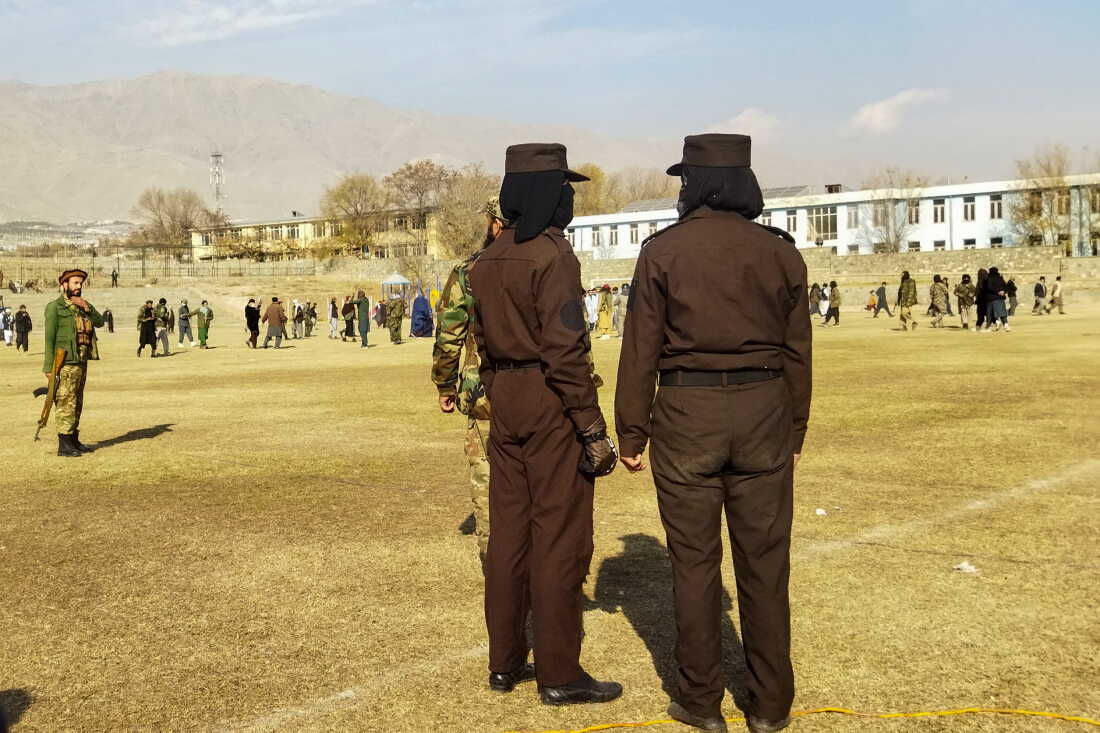
Taliban’s Public Punishments
Security personnel of the Taliban continued to conduct public punishments, including flogging, in Afghanistan. Recent reports from Parwan province revealed public floggings of numerous individuals at a football stadium observed by large crowds.
Reports indicate these practices are justified by the Taliban as suitable corporal punishments for violating certain rules. These rules include prohibitions on women’s education and accusations of adultery. The widespread use of such punishments raises concerns about Afghanistan’s adherence to human rights obligations.
Documentation of Violent Punishments
According to the Afghanistan Human Rights and Democracy Organization (AHRDO), 2,745 incidents of corporal punishment were documented between February and April, based on public records released by the Taliban. The United Nations reported similar findings, noting over 1,100 public floggings in the previous year alone. These cases are frequently reported via Taliban’s Supreme Court publications and social media channels.
“More men and women were subjected to public flogging than in all previous years combined,” the U.N. reported.
The accuracy of some undocumented cases remains uncertain due to the Taliban’s prohibition of filming in public areas. Activists discreetly record such events, risking severe consequences for opposing Taliban practices.
Rationale Behind Public Flogging
The Taliban’s leadership defends these corporal punishments as essential components of their justice system. This viewpoint is shared by some observers who believe these actions are used to instill fear and maintain social control.
These practices face criticism from legal experts who argue they breach Afghanistan’s commitments under international human rights treaties. Several conventions prohibit cruel, inhuman, or degrading treatment, challenging the legitimacy of such punitive measures as lawful justice.
Disproportionate Impact on Women and Minority Groups
The AHRDO report highlights that women and marginalized communities suffer most from these punishments. Restrictions imposed by the Taliban, such as prohibitions on female education, employment, and public participation, contribute to discriminatory practices.
Corporal punishment becomes a mechanism to enforce gender-based discrimination, repressing women and girls further. The dismantling of the judicial system since the Taliban’s takeover left women without access to legal defense, aggravating their vulnerability.
Legal and Social Implications
Experts criticize the absence of independent and impartial judiciary practices in Afghanistan, exemplified by cases where defendants lacked legal representation. Women judges and lawyers have been removed from their positions, depriving female defendants of any chance for a fair trial.
Witnesses report that charges against women often arise from situations violating fundamental human rights protected under international law. For instance, women appearing in public without male guardians face flogging charges, despite such actions being human rights violations.
Consequences of Public Punishments
The aftermath of public floggings extends beyond physical injuries. Victims suffer social ostracism, impacting their reintegration into families and communities. Many struggle to secure medical treatment for injuries incurred during public punishments.
Public spectating of these events raises further concerns. Observers worry about the normalization of violence and its effects on trust in judicial systems and public institutions. Psychological harm inflicted upon the community is profound, impacting individuals beyond direct victims.
“The Taliban will not last forever, but what if we can’t break out of this chain of trauma, anger and resentment they are inculcating within the communities?” questioned human rights activist Shaharzad Akbar.
Leave a Reply