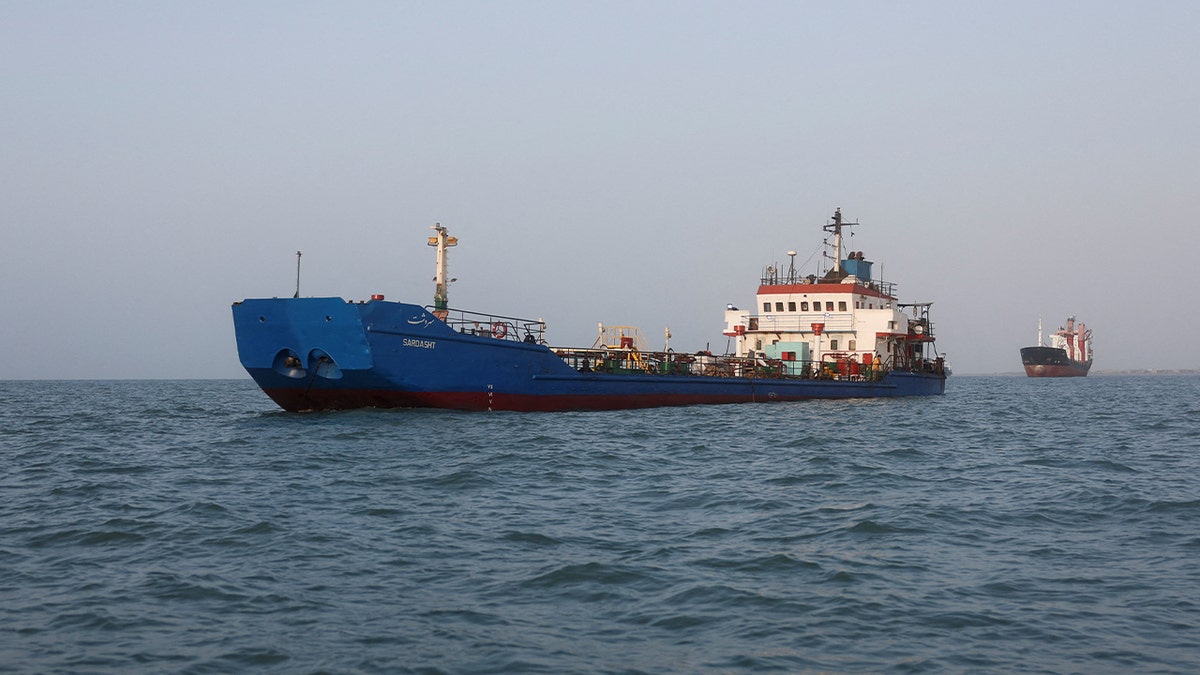
Iranian authorities express confidence, hinting at potential escalation against the United States. This reaction might stem from desperation rather than strength. On September 5, U.S. Central Command targeted three Iranian tankers. Admiral Brad Cooper conveyed a stern warning to the Islamic Revolutionary Guard Corps (IRGC), emphasizing the U.S. resolve to impose economic costs if provoked.
Following further aggression from Iran, U.S. Central Command reported the destruction of five additional tankers. Iran’s attempts to strike U.S. Navy ships with ballistic missiles have failed, reflecting the impact of U.S. strategies.
The U.S. approach under President Donald Trump combines economic sanctions, blockade, and military precision strikes. This strategy aims to cripple Iran’s capabilities to threaten U.S. interests. This course is not a permanent fix, yet current indicators suggest a favorable position for the U.S.
We will impose an even higher economic cost
This statement highlights the U.S. commitment to counter Iranian threats effectively. The IRGC’s failure to accurately target U.S. assets further showcases the regime’s limitations despite support from allies like Russia and China. The assistance Tehran receives seems ineffective in strengthening IRGC efforts.
Concerns persist about the duration and possible escalation of the conflict due to external backing for Iran. Trump’s administration remains skeptical about diplomatic solution pathways with the current Tehran leadership. The U.S. maintains control over the Strait of Hormuz while the Iranian economy struggles.
Criticism of Trump’s decision to launch Operation Epic Fury has surfaced. Critics argue it intensified Tehran’s nuclear ambitions. However, U.S. officials assert the approach has hampered Iran’s military and economic power.
The U.S. military demonstrates competence, targeting crucial Iranian military and leadership infrastructure. Economic strategies include a naval blockade and stringent sanctions to deplete the regime’s resources. Military action supports these measures by periodically executing strategic strikes.
Secretary of War Pete Hegseth has bolstered U.S. presence with 50,000 troops and 19 ships stationed in the Middle East. Reports confirm U.S. Central Command’s success in securing vital commercial routes through the Strait, ensuring the continued export of oil.
Until the U.S. can reassess pre-war military deployment in strategic regions, the campaign against Iran persists. Cooperation with allies, notably Israel and European partners, is crucial. Diplomatic engagement focuses on maintaining an open Strait of Hormuz and addressing enriched uranium concerns.
Strategic coordination with regional partners and allies is emphasized to normalize relations with Israel while minimizing investment influences from Beijing and Moscow.
Rebeccah Heinrichs, a Hudson Institute fellow, provides insights on this complex geopolitical situation. Follow her on Twitter for more commentary.
Leave a Reply