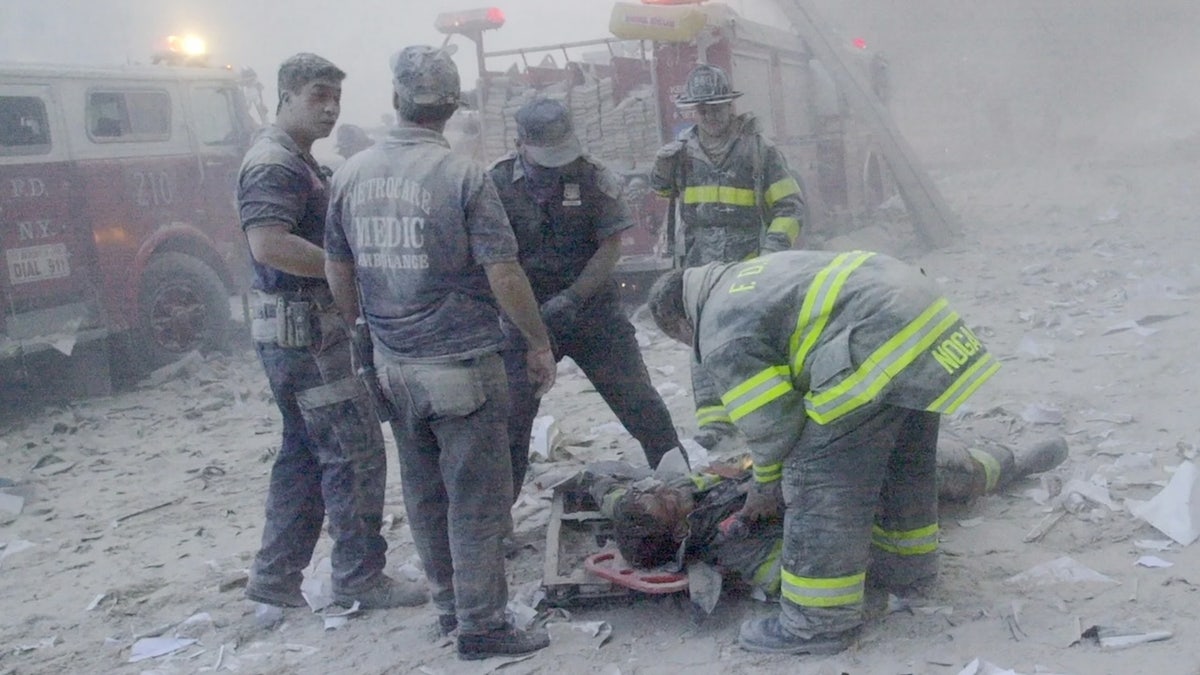
Those who were present at Ground Zero on September 11, 2001, continue to face the enduring physical effects of exposure. As Lower Manhattan filled with dust and debris from the fallen towers, first responders and survivors were exposed to toxic air.
More than 400,000 people were exposed to harmful contaminants, injury risks, and stressful conditions in the aftermath of the attacks, according to the World Trade Center Health Program.
Scientific Findings
Scientists have investigated possible links between 9/11 exposure and accelerated aging. As of March 2025, 8,215 people enrolled in the WTC Health Program have died, including 5,844 responders. These deaths encompass all causes, and the program does not track which are specific to 9/11 exposure.
The Battle for Health
Mordechai Shedrowitzky, a volunteer EMT who responded on 9/11, shared his health challenges in an interview. Shedrowitzky was living in Brooklyn during the attacks. He assisted his local area before heading to Lower Manhattan that evening to help.
Shedrowitzky recalls entering Manhattan with no lights and electricity, the area in pitch darkness.
Once at South Street Seaport, he saw overwhelming debris affecting his ambulance’s performance. Debris even caused the engine to sputter.
Initially unaware of the air’s effect, Shedrowitzky later experienced worsening asthma symptoms. His condition escalated, requiring oral steroids and causing frequent respiratory infections.
In 2019, his symptoms worsened, resulting in a persistent cough despite strong medication. His illnesses were eventually linked to 9/11 exposure, and it was confirmed he had tracheobronchomalacia—a weakening condition of the windpipe.
He underwent tracheobronchoplasty in 2024 to stabilize his airways, feeling improved two years later though still facing occasional infections. As a father and grandfather, his condition had affected his family interactions.
Healthcare Efforts
Dr. Denise Harrison, medical director at NYU Grossman School of Medicine WTC Health Program, has worked in post-9/11 healthcare since 2002. The program provides screening, monitoring, and medical treatment for health issues linked to 9/11 exposure.
The dust from 9/11 was highly alkaline and irritating to airways, affecting both large and small particles.
Patients report sinus problems, asthma, COPD, and aerodigestive issues, such as gastroesophageal reflux disease, complicating diagnosis.
Harrison noted that asthma and PTSD might affect symptom perception, requiring a multidisciplinary treatment approach. She advised early and regular monitoring.
Continued Program Efforts
With over 130,000 members as of March 31, 2025, the program offers resources through various health systems, such as NYU Langone Health, Mount Sinai, and Northwell.
The health effects of 9/11 exposure persist, exacerbated by environmental factors. Research continues, benefiting responders and the public over time.
Dr. Harrison emphasizes patience, as ongoing research aims to enhance disaster response and treatment. The program is authorized until 2090, indicating long-term support.
Leave a Reply