Rabbi Ari Berman, President of Yeshiva University, highlights the rise of antisemitism in New York City while discussing security at a Manhattan synagogue. He joins ‘America’s Newsroom’ after a recent hate crime incident. Data reveals 860 antisemitic incidents in the city and nearly 1,200 statewide.
As Americans remember 9/11 at sundown on Friday, Sept. 11, Jewish families will celebrate Rosh Hashanah, the Jewish New Year 5787. This period sees synagogues at full capacity with increased security measures such as armed guards, cameras, and bag checks. These measures trace back to how 9/11 transformed synagogue security, creating national protections for Jewish communities.
Eric Fingerhut, CEO of Jewish Federations of North America, explains the significance of 9/11 and Rosh Hashanah coinciding. Prior to 9/11, synagogues had little belief in the necessity of robust security beyond traffic control and basic alarms. Post-9/11, the threat perception changed, recognizing that attackers of the World Trade Center targeted not just America, but had a specific disdain for the Jewish community.
Fingerhut credits the formation of the Secure Community Network to this shift, providing a safety model for Jewish institutions integrated with federal law enforcement. As a result, what once involved simple observances like Rosh Hashanah now includes secured entrances and emergency procedures alongside traditional aspects like apples, honey, and the shofar.
Security costs reflect this shift, with Jewish communities nationwide spending approximately $1 billion annually on protection, equating to $2.8 million each day to maintain access to Jewish life. Professional security personnel have been deployed throughout 141 Federation communities.
Rabbi Chaim Steinmetz notes the contrast between churches and synagogues on the Upper East Side of Manhattan, where synagogues require significant security investment unlike their neighboring churches.
This increased focus on security is not limited to major cities. Throughout the United States, worshippers are trained in awareness and emergency response. Community Security Service has prepared over 20,000 individuals in training sessions, with volunteers covering synagogues and events extensively.
The Secure Community Network recorded thousands of incidents and trained tens of thousands, demonstrating a prepared community. According to Michael Masters, SCN’s national director, there were over 3,200 threat incidents recorded in the past year alone.
FBI statistics underscore the threat, documenting 1,528 antisemitic hate crimes in 2025, accounting for 63% of all religious hate crimes. Jewish communities only make up 2% of the U.S. population, yet they were victims in 14% of reported hate crimes.
Although New York City saw a 6.2% drop in major crime, confirmed antisemitic hate crimes rose 8% in the first eight months of 2026. NYPD and other law enforcement are actively engaged in preventing these crimes.
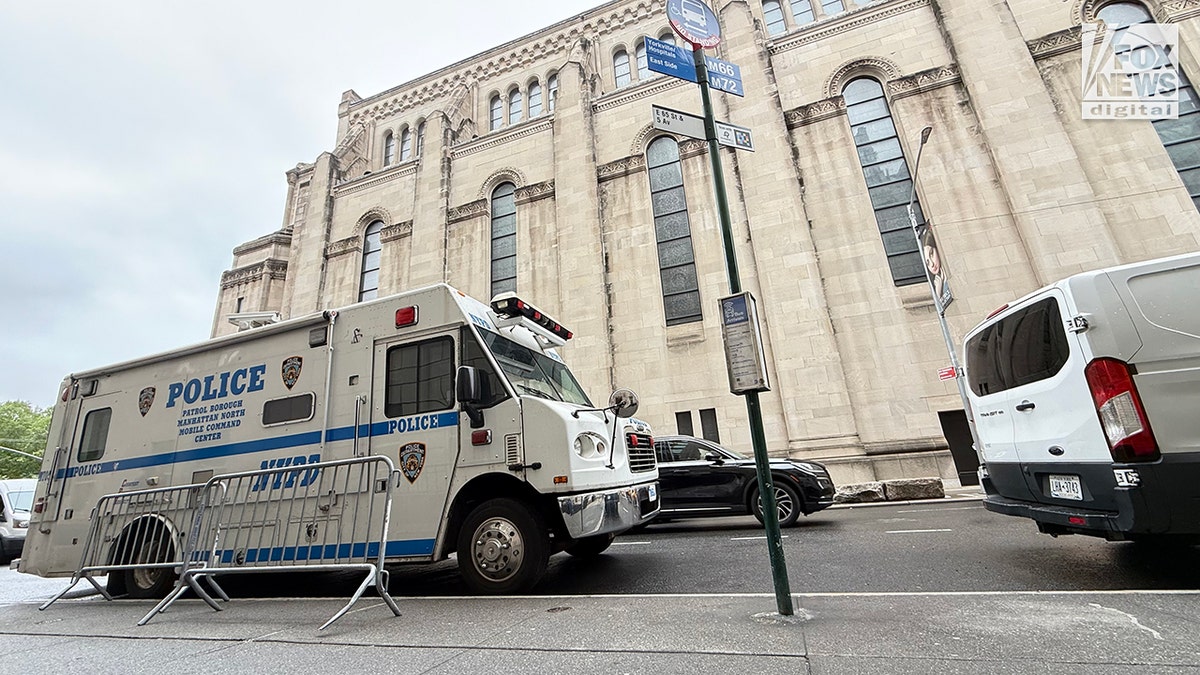
Security measures extend to policies in New Jersey and other states, emphasizing collaboration among state and federal entities. Recent attacks, including one in Manhattan’s Central Synagogue, illustrate the ongoing threat. These threats place more focus on security costs, viewed as a burdensome yet necessary measure.
The Jewish American Security Act seeks to address these costs, advocating for federal assistance to secure at-risk nonprofit entities. Recognizing the ‘vicious tax’ on Jewish communities, leaders like Fingerhut emphasize the importance of ensuring security encourages continued participation in Jewish life.
For Jewish leaders, the visible presence of security is essential for fostering confidence and participation in community activities. Despite challenges, the consensus remains: don’t retreat from Jewish life, but ensure safety and security enable it to thrive.
Leave a Reply