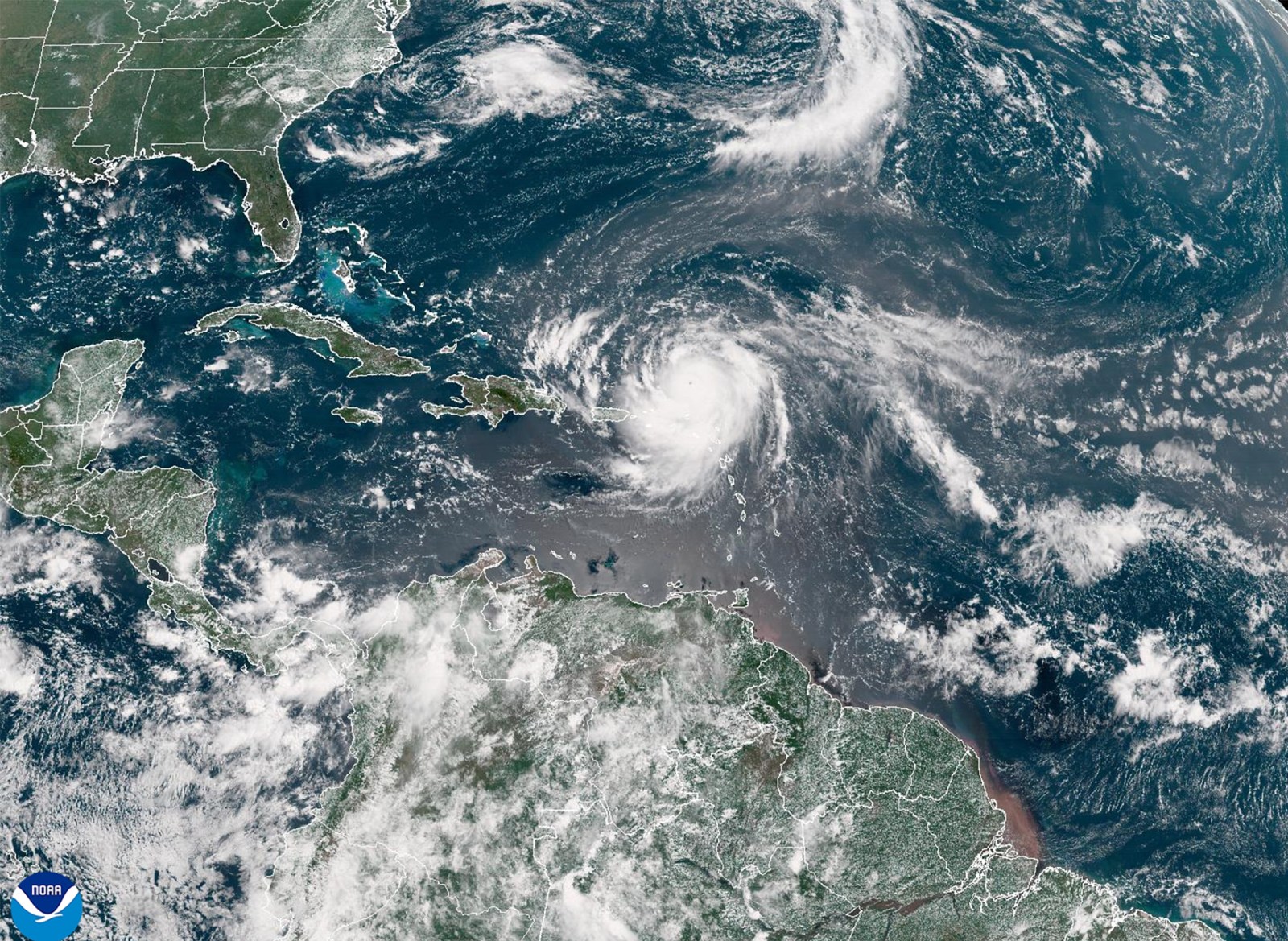
The Atlantic basin might experience its first hurricane-free season in over a century if no hurricanes develop before the season concludes, according to AccuWeather forecasters.
Influence of El Niño
This week, federal meteorologists reported that El Niño is set to strengthen throughout the year, with over a 90 percent likelihood of becoming a very strong event during fall and winter. This follows earlier predictions of a below-average Atlantic hurricane season, partially due to El Niño’s impact.
Understanding El Niño
El Niño represents the warm phase of the El Niño-Southern Oscillation (ENSO), a recurring Pacific climate pattern that can influence global weather. Its counterpart, La Niña, is the cool phase.
Typical effects of El Niño include increased storm activity across the Southern U.S., drier conditions in some northern regions, and altered hurricane activity. According to Matthew Rosencrans from NOAA, El Niño typically results in fewer tropical storms and hurricanes in the western Atlantic, while promoting more active hurricane seasons in the eastern and central Pacific.
Historical Context and Current Season
AccuWeather noted that, as of September 10, the climatological peak, no hurricanes have formed in the Atlantic. The possibility of the season’s most active month passing without a hurricane makes the current season exceptional, said AccuWeather’s lead hurricane expert Alex DaSilva.
Powerful El Niño conditions are causing significant wind shear, which has been disruptive for potential storm formations in the basin. The Atlantic has recorded only two hurricane-free seasons, in 1907 and 1914, prior to the satellite era, when meteorological technology improved storm tracking.
The latest first hurricane during the satellite era occurred on September 11, in both 2002 and 2013. Any hurricane forming later this year would set a new record.
Current and Future Storm Developments
To date, five named storms have emerged this year, though none reached hurricane status. Persistent wind shear, dry air, and Saharan dust have contributed to this pattern.
AccuWeather warns that tropical storms and rainstorms could still arise, leading to flooding, wind damage, and severe weather without reaching hurricane intensity. The Atlantic hurricane season extends through November 30, offering remaining opportunities for hurricane development. Historically, roughly 24 percent of Atlantic hurricanes form after September, though this proportion drops to 19 percent during El Niño years.
Meteorologist Nicholas Arman noted increasing wind shear becomes a significant hindrance to tropical development late in the year. A more active jet stream can enhance shear by creating southward dips, while early cold fronts could cool ocean waters. As the sun transitions to the Southern Hemisphere, solar energy declines, further hindering storm development in the Atlantic’s main development region.
Contact Newsweek editors on this story: Ben Kelly and James Debens
Leave a Reply