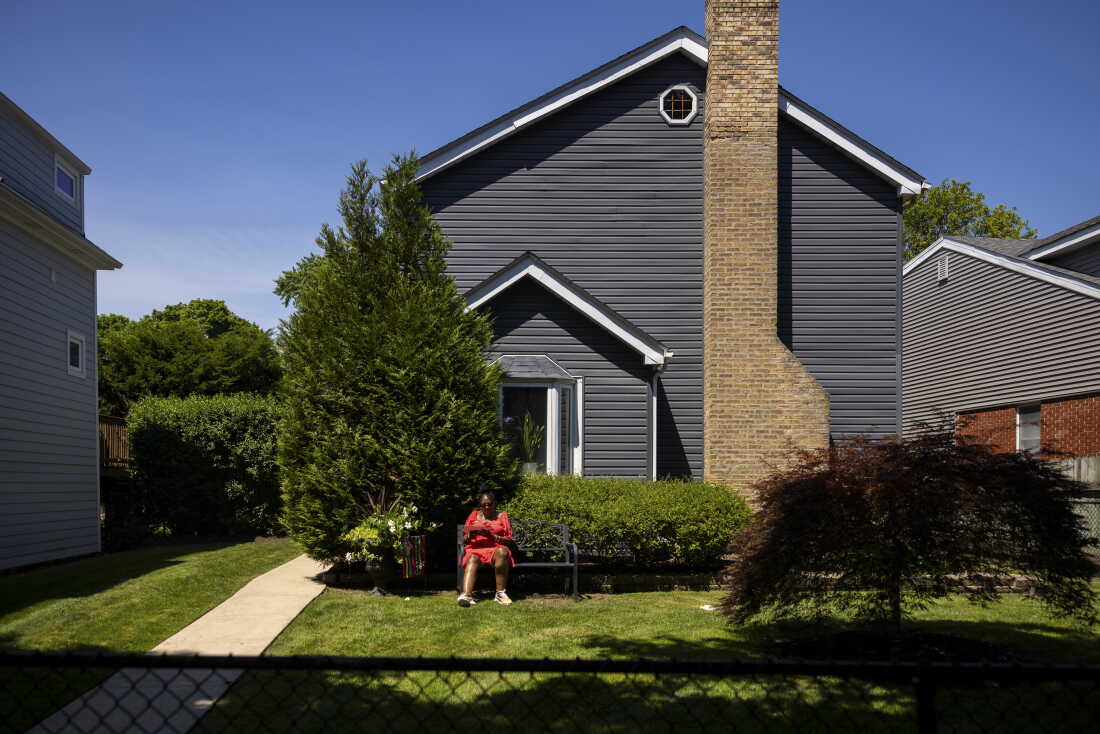
Kimberly Holmes-Ross broke family tradition by moving outside Evanston, Illinois’ 5th Ward, a historically significant area once the only part of the city available to Black residents. She eventually bought a home in the 2nd Ward and is now renovating her basement into an apartment for her son using reparations money from the city. This initiative is part of Evanston’s effort to compensate Black residents for past discrimination in housing, being the first of its kind in the U.S.
As part of this program, recipients like Allie Zemtseff received $25,000, which she used to upgrade her kitchen. She vividly recalls her mother being turned away by landlords in white neighborhoods, making the program’s focus on Black people particularly meaningful for her. The city’s reparations program, launched in 2021, has granted over 300 people these funds to address the historical injustices faced by Black residents.
Despite these efforts, the Trump administration filed a lawsuit to halt the reparations program, branding it as racially discriminatory. The Department of Justice supports this legal move, asserting the program violates the Constitution’s equal protection clause. Harmeet Dhillon, the civil rights chief, stated that distributing money based on race doesn’t align with constitutional standards.
“What’s happening in Evanston is the most important civil rights story that no one has heard of,” said Alvin Tillery, a Northwestern University professor. He sees the administration’s challenge as a broader plan to dismantle anti-discrimination safeguards.
Evanston’s reparations were conceived by Robin Rue Simmons, a former city councilmember. After identifying zoning laws from 1921 that limited Black residents to specific neighborhoods, she recognized the need for targeted redress. The program involves funds from cannabis and real estate taxes, each applicant needing to prove residency in Evanston during a significant period of racial segregation.
Critics, including Michael Bekesha from Judicial Watch, argue that the program’s criteria don’t require proof of discrimination, merely residence and race. Yet, Evanston officials, such as Mayor Daniel Biss, argue the program addresses historical wealth gaps caused by discriminatory housing policies.
Weekly reparations expert comments reveal the potential consequences of the administration’s legal challenge on future reparations efforts. Justin Hansford, from Howard University, stresses the need for detailed historical documentation to uphold such programs legally.
Evanston’s population has been declining, with less than 15% identifying as Black. The reparations program aims to combat this, strengthening roots like those of Holmes-Ross’, who revitalized her home using the funds. The initiative allows residents to acknowledge past injustices while supporting their community’s resilience.
Despite legal hurdles, city officials remain committed to the program. Rue Simmons continues to guide other cities in developing similar initiatives, encouraging cautious but resolute actions.
Leave a Reply