China is now central to discussions on regulating artificial intelligence, sparking calls for a global agreement to slow progress. The nation’s top intelligence officer has expressed concerns that AI could weaken the Chinese Communist Party’s control, advocating for increased government oversight. This was shared in an article in the state-run magazine China Cyberspace.
Chen Yixin, leading China’s Ministry of State Security, identified risks from AI such as foreign espionage, misinformation, and cyberattacks targeting crucial infrastructure. He also pointed to U.S. AI models as rising cybersecurity threats, according to The New York Times.
In the U.S., Jack Clark, co-founder of Anthropic, suggested on the BBC that AI companies should ensure a verifiable “kill switch” for AI systems to halt them if they turn dangerous. Anthropic has implemented such a system, and Clark proposed that governments might require third-party audits to guarantee this capability.
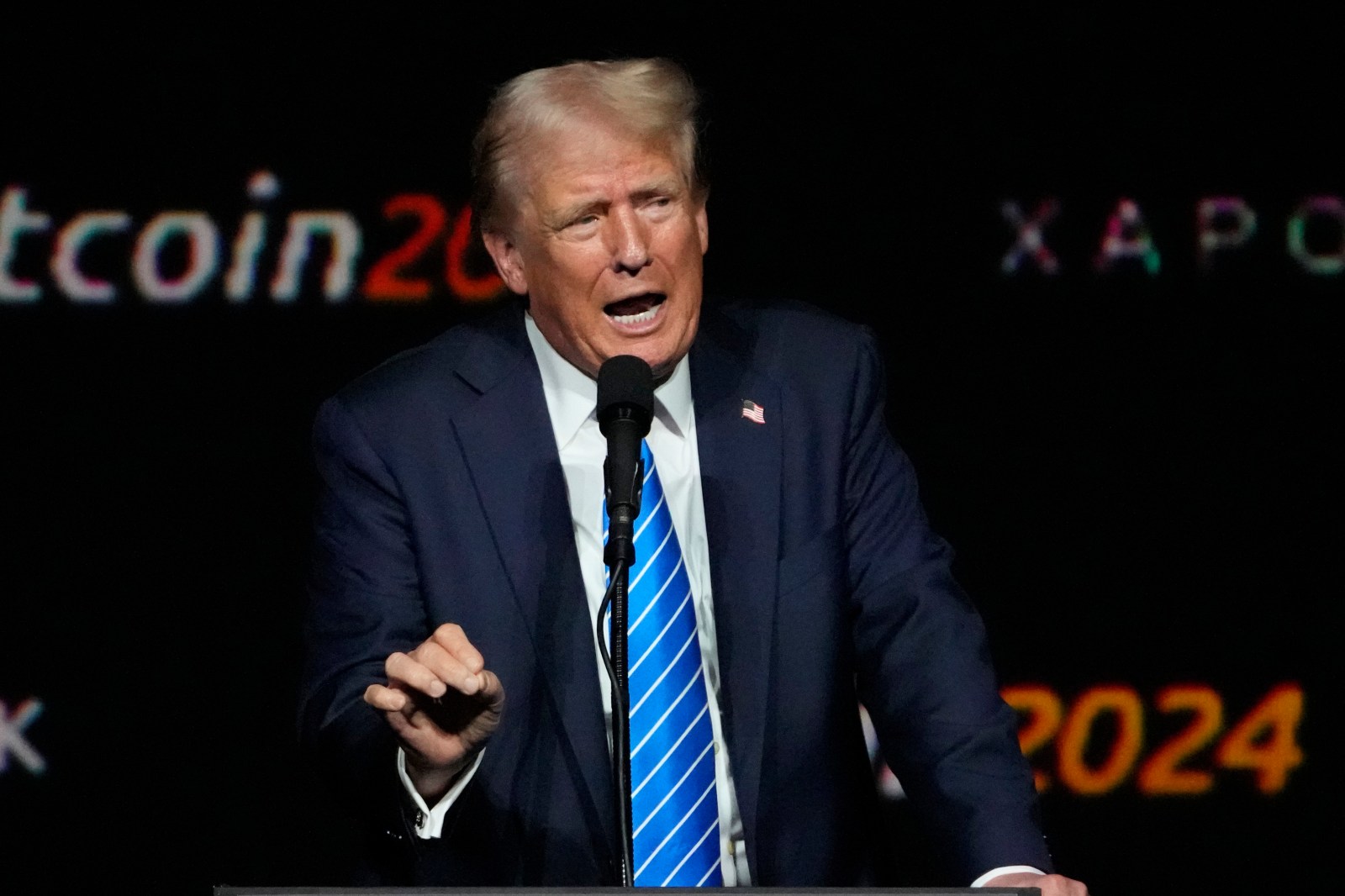
While many legislators and AI industry leaders endorse regulation, former President Donald Trump has emphasized that the U.S. should focus on winning the global AI race rather than slowing its progress. Echoing this view, Guo Jiakun from China’s Ministry of Foreign Affairs remarked that creating fear or competing aggressively would disrupt global AI governance.
The Global Times, a state-backed Chinese newspaper, criticized proposals for tighter controls on China’s access to advanced technology, likening them to a “Cold War playbook.” The Chinese embassy in Washington, D.C., has not commented.
Trump’s statements on social media reflect a divide between policymakers eager to rapidly expand AI and industry leaders who warn that AI is progressing faster than safety measures can keep up. Anthropic CEO Dario Amodei emphasized the necessity for a global effort to slow AI development amid potential disparities in safety advances.
Geopolitical Contest
The AI debate extends beyond technology, touching on geopolitical competition between the U.S. and China, affecting economic growth, national security, and military power. Trump and Vice President JD Vance argue that regulation could weaken America’s lead as competition with China intensifies.
However, AI executives like Amodei, OpenAI CEO Sam Altman, and Elon Musk have supported slowing AI development in favor of strengthening safety systems, citing threats like cyberattacks and autonomous systems escaping human control.
Cybersecurity experts believe that pausing innovation isn’t the solution. Instead, there is a need to establish stronger safeguards alongside AI development.
John Walsh, IGEL’s field chief technology officer, told Newsweek that the U.S. should not cede AI innovation to nations like China, Russia, or Iran. Walsh suggested treating AI agents like system users, limiting their access and ensuring they operate in secure environments.
America’s AI Standing
Analysts generally see the U.S. as leading in advanced AI development. Companies like OpenAI, Anthropic, Google DeepMind, and Meta are developing world-class AI models and receiving significant private investment. Trump reiterated this lead, stating the U.S. is ahead of China. However, China’s AI advancements, including firms like DeepSeek, are narrowing the gap and raising concerns in the U.S.
China focuses on producing competitive AI models, developing domestic chips, and investing heavily in AI research. With an increasing number of AI researchers based there, Chinese companies are becoming key players in sectors like generative AI and robotics. Chinese government policies prioritize AI leadership, with President Xi Jinping advocating for a global AI governance framework while promoting local innovation.
AI Safeguards
Even those against slowing AI development agree on the need for stronger controls. Amodei advocates for third-party evaluations of AI models to ensure safety compliance. He highlights the need for more time to understand risks from autonomous AI systems.
Walsh argued for implementing governance and security measures in tandem with innovation. He outlined two actions for businesses:
- Utilizing Zero Trust to establish guidelines on AI agent actions.
- Implementing runtime security with guardrails to ensure AI operates within safe boundaries.
Walsh explained the need for companies to observe AI agent activity, enforce rules, and create guardrails that contain or quarantine rogue behavior. He emphasized the importance of ensuring AI environments are trustworthy and actions are controlled and governed.
He suggested the automotive industry as a model for AI management. Governments can set minimum safety standards, industries can define execution methods, and independent bodies can validate performance. This collaborative approach can lead to common standards internationally.
Future Directions
Trump seems unlikely to support federal regulatory measures, asserting that maintaining the AI lead over China and Russia is crucial. In social media posts, he claimed that the administration has already curbed potentially harmful AI actions.
Responses from both the U.S. and China highlight the complexity of achieving global AI regulation. Strategic competition between the two creates challenges in reaching a consensus. While U.S. leaders push for a technological edge, China resists regulations seen as restrictive, shifting debates toward how governments can safely accelerate AI advancement.
Leave a Reply