We are less than two months away from election night. As a Democrat and co-host of “The Five” on the Fox News Channel, I hope for significant victories for the Democrats across the nation. Polls suggest we might flip the House and possibly the Senate, but I’ll reserve celebration until the results are official.
Despite my party allegiance, I occasionally challenge Democratic actions. I find some Democrats go too far, isolating members within the party. I explicitly disagree with Hasan Piker, a far-left Twitch streamer, on his views on Marxism and China. Over time, perspectives can change, especially with the benefit of hindsight.
Two significant moments altered my views in recent years. First was COVID-19. Although Dr. Anthony Fauci contributed greatly to public health, mask mandates were excessively prolonged. My conversation with Greg Gutfeld on my “Raging Moderates” podcast revealed his frustration over the government’s prescriptive approach.
The second event was the 2019 Jussie Smollett incident when he fabricated a hate crime. Initially, I supported him amid doubts about the attack. This experience demonstrated how biases can cloud judgment.
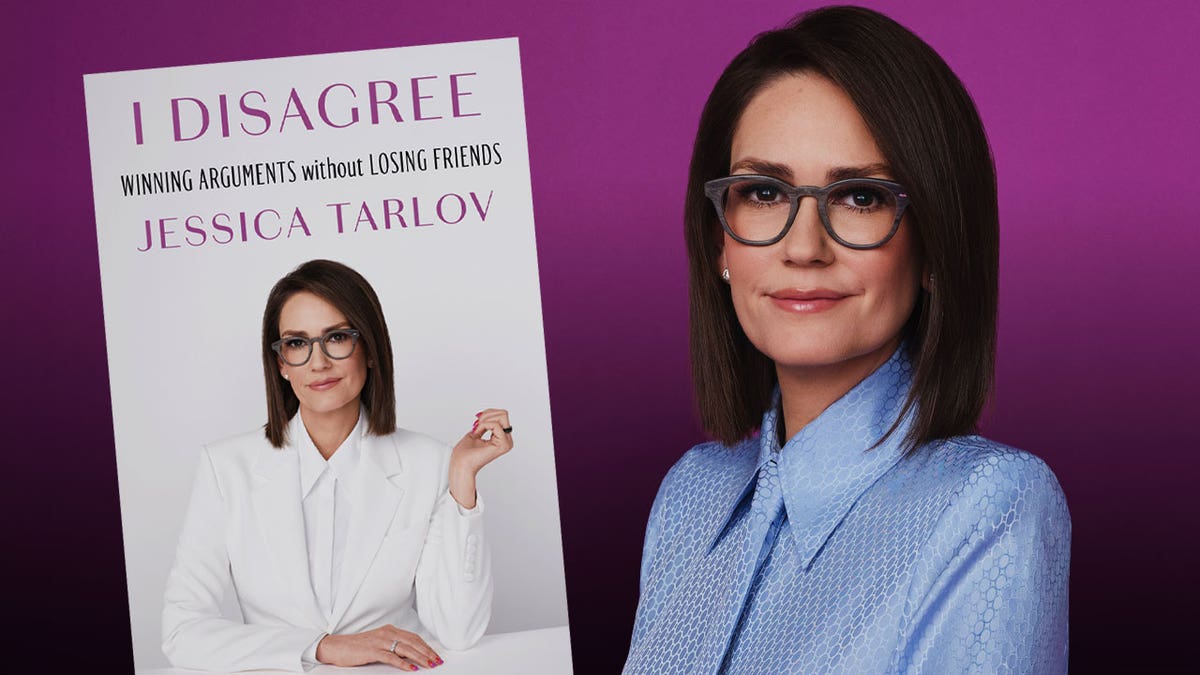
It is vital to recognize when we are wrong, which is essential for meaningful dialogues and relationships. This realization led to my book, “I Disagree.” There is extensive data and science behind effective conversation, which is key to better debates and meaningful connections.
The brain often protects from the psychological discomfort of challenges, resulting in cognitive biases.
Research by neuroscientists at the University of Southern California found that when voters encounter conflicting information, their brain regions associated with pain activate. This explains the mental exhaustion from filtering genuine news on social media amidst misinformation. It is like how the brain filters information to protect from anxiety.
The COVID-19 pandemic accelerated national division, a theme explored in Ari Aster’s 2025 film “Eddington.” That movie depicts a divisive small-town mayoral election during the pandemic. The character dynamics reflect real societal fractures. Mask mandates and institutional skepticism create division and conflict.
Despite the film’s dramatic representation, it illustrates how fragile our connections can be. Greg described the pandemic experience as instructive, motivating resistance to authority’s demands, as seen with mask and pronoun controversies. Personal circumstances shape views on mandates’ necessity versus overreach.
Learning from mistakes involves examining biases, as shown in Smollett’s hoax. Initially, many supported Smollett, but evidence revealed a fabricated story. Legal consequences followed his actions, with significant public backlash.
Addressing cognitive biases is critical. Engaging with diverse perspectives enables evaluating and strengthening our beliefs. As Greg notes, opposition challenges us, fostering personal and intellectual growth. Understanding our resistance to truth aids in working towards a shared reality.
Leave a Reply