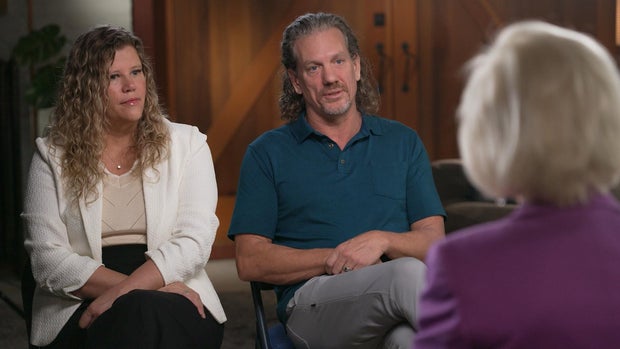
The Ritz-Carlton Meeting
In mid-August, Jack Burkman and Jacob Wohl, known lobbyists and provocateurs, were presenting at the Ritz-Carlton in Tysons Corner, Virginia. They aimed to secure Ammon Covino, a convicted felon, as their client by promising to leverage their White House connections for a pardon.
Covino had previously submitted a pardon request to the Biden Justice Department, which was rejected. Burkman and Wohl targeted Covino, despite him being a bait set by CBS News’s 60 Minutes team to investigate the pardon broker industry.
Pardon Trajectories
Previous presidents have set varying precedents for pardons, but none like the recent clemency economy featuring figures aligned with Make America Great Again (MAGA) influencers, bypassing traditional protocols. Whereas those seeking pardons would navigate the Department of Justice, this standard process has been largely abandoned in Trump’s second term.
Recent data shows 70% of Trump’s clemency actions bypassed the Justice Department. Brokers now charge exorbitant fees for access to Trump, promising results based on proximity and influence rather than penitence or rehabilitation.
The Pardon Industry
Lobbyists now openly advertise their ability to sway decisions via the White House. This list of lobbyists securing clemency has grown throughout Trump’s presidency. Despite the secretive nature of their operations, many well-connected individuals, such as Brett Tolman and Ches McDowell, actively participate in the pardon lobbying scene.
Covino, guided by CBS News, learned from Tolman that pardon applications sent directly to the Justice Department have slim chances. Instead, Tolman prefers to send applications to the White House to avoid bureaucratic hurdles.
The Lobbyists’ Defense
Burkman and Wohl affirm their legality and transparency, rejecting the notion of a pay-to-play structure. They justify their actions as advocacy within legal boundaries, emphasizing the president’s decisive role over faceless bureaucrats.
A Case in View
Covino’s case, where Burkman and Wohl claimed potential success due to perceived political bias against Obama, highlights how brokers exploit a client’s legal challenges for lobbying gains.
Their high-profile client, Joseph Schwartz, received a pardon despite his extensive financial misconduct. This case exemplifies the lucrative fees charged by lobbyists, as Schwartz’s pardon came after Burkman and Wohl’s firm received sizeable lobbying compensation.
Controversy Over Pardons
Many affected by pardoned criminals voice betrayal. They perceive the pardon system is now skewed by political connections and financial might rather than principles of justice.
In light of evidence, CBS News found the new pardon economy relies on the lobbying prowess of individuals who can convince Trump through relentless advocacy, using his network.
A System Scrutinized
Concerns mount over perceived inequities and transactional politics. Trump’s recent pardons, especially those involving political connections, draw scrutiny and accusations of bypassing ethical norms.
Despite official denials from the White House regarding quid pro quo practices, evidence of the brokers’ strategies and Trump’s choices in recent years signal a departure from traditional clemency norms.
Leave a Reply