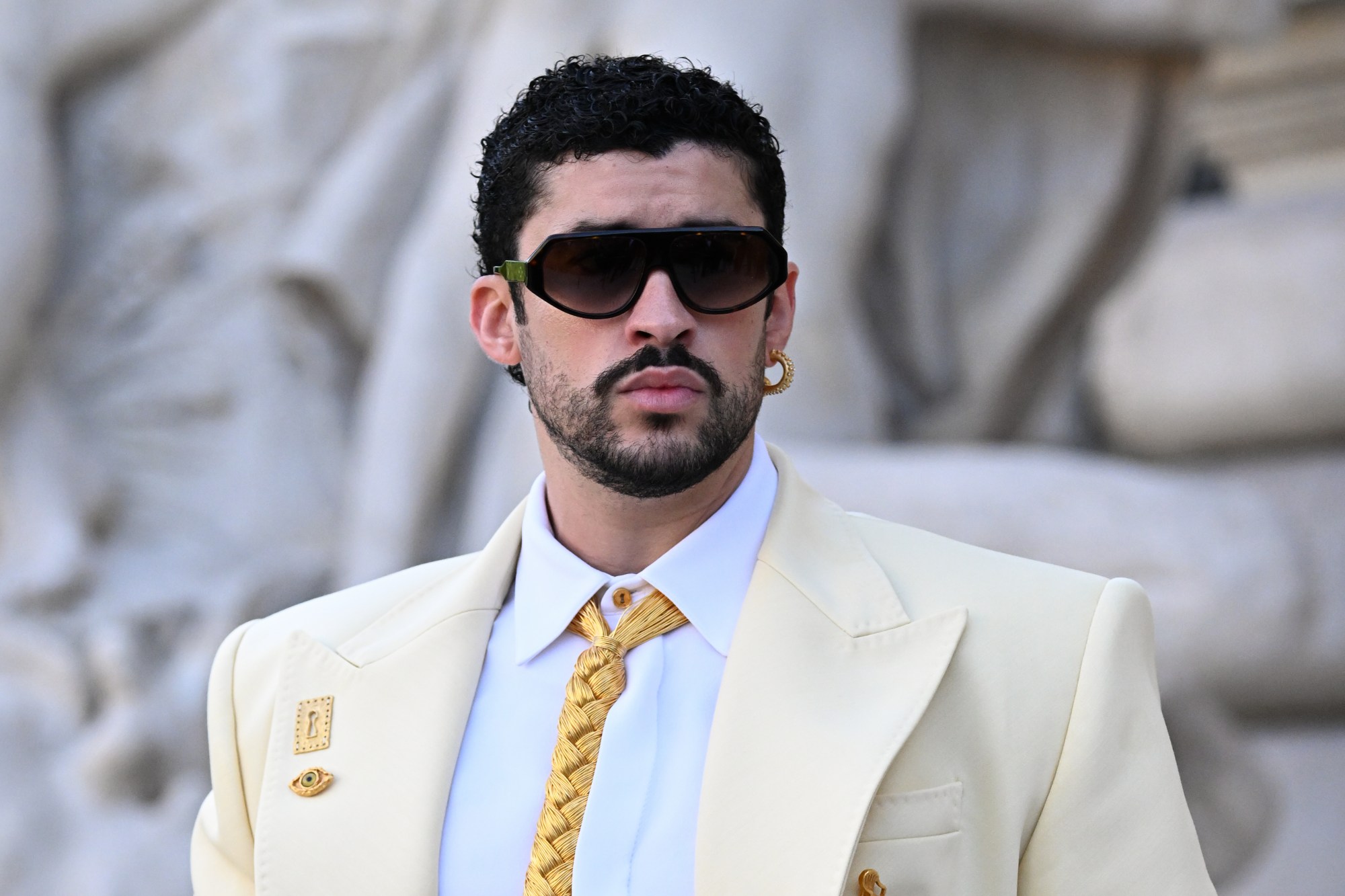
Bad Bunny’s Response to AI Imitations
On July 6, 2026, Bad Bunny made headlines when he reacted to a reggaetón song on TikTok featuring a convincing artificial replica of his voice, along with fake verses from Daddy Yankee and Justin Bieber. Rather than dismiss the imitation, he called on fans who enjoyed it to exit his WhatsApp group. This incident points to a growing concern among Latin artists.
Impact on Latin Artists
The release of nominees for the 27th Annual Latin Grammy Awards during National Hispanic Heritage Month brings focus to a critical issue for Latin artists. An investigation by The Atlantic revealed that AI training sets included about 21.2 million tracks, including Bad Bunny’s catalog. This was done without permission or compensation. Universal Music Group and Sony Music have initiated legal action against Suno, an AI platform using these recordings. Latin music’s most streamed melodies and rhythms are at risk of being exploited by machines.
The AI Competition
Deezer reports that almost half of daily music uploads to its platform are AI-generated. These synthetic tracks vie for the same playlists, royalties, and listener attention as those created by human artists. Latin music faces significant challenges as the genre with the highest global streaming. In 2025, Latin music revenue in the U.S. exceeded $1 billion after ten years of growth. However, a study by the International Confederation of Societies of Authors and Composers warns that creators might lose up to 25% of their income to AI by 2028, risking a total loss of 10 billion euros.
Historical Undervaluation
The undervaluing of Latin music is not new. In past decades, Spanish-language records were often considered niche despite outselling English ones. AI now threatens to separate an artist from their voice completely, potentially leaving creators without contracts. While AI has the potential to empower the music industry, it also poses risks.
Future Directions for AI
The legal landscape is evolving to address these challenges. In May, the NO FAKES Act was reintroduced in Congress, aiming to grant Americans control over AI replicas of their voice and likeness. Suno has launched new models with Warner Music Group and BMG, providing payment for participating artists. These developments show that AI companies can prioritize consent and compensation.
Steps Towards Protection
Practical safeguards involve detailed contracts addressing AI training, proper metadata for recordings, and collective efforts. Latin artists have previously succeeded in negotiating fairer streaming terms, which can serve as a precedent for addressing AI issues. Global cooperation is essential, as AI trained in one nation can replicate voices internationally.
Significance of National Hispanic Heritage Month
Celebrations during National Hispanic Heritage Month should acknowledge Latin music’s achievements while advocating for artist rights. The creators deserve recognition beyond applause—they deserve control over their voices in the age of AI. Heritage is about preserving cultural identity and ensuring compensation.
José Valentino Ruiz, an associate professor at the University of Florida, emphasizes the importance of protecting Latin artists’ voices in a time of technological advancement.
Leave a Reply