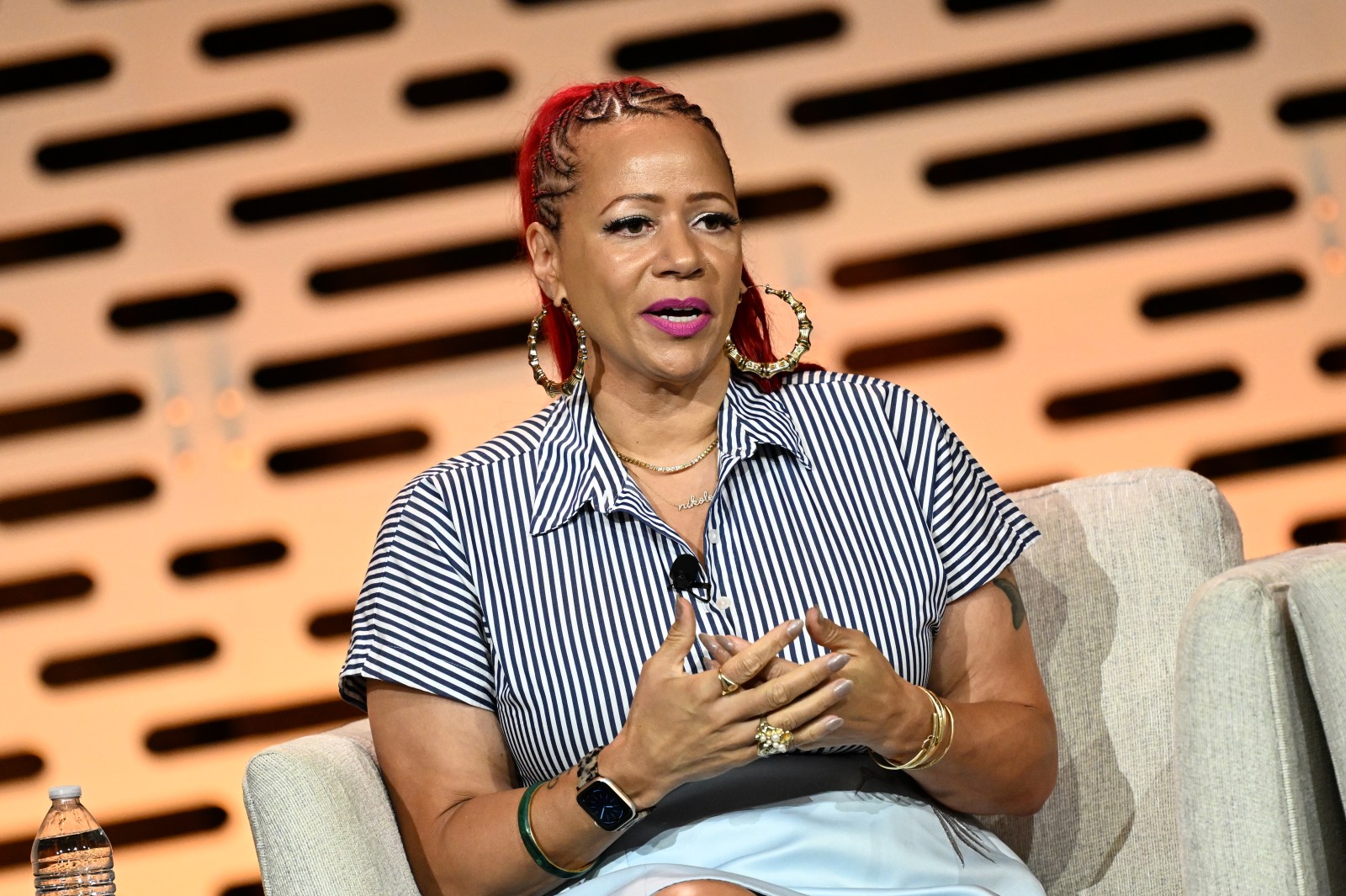
Ten years ago, Pulitzer Prize recipient Nikole Hannah-Jones, recognized for her creation of The 1619 Project exploring slavery’s legacy in America, used the cover of The New York Times Magazine to advocate for school integration. Her argument was personal: What decision does one make when their own child’s education is at stake?
In her 2016 essay, Hannah-Jones expressed her concerns and commitment after her daughter, Najya, was admitted to a high-poverty Brooklyn school chosen by her and her husband. “I worried — I worry still — about whether I made the right decision for our little girl. But I knew I made the just one,” she wrote. Najya attended Public School 307 near the Farragut Houses public housing site, with 91 percent Black and Latino students at that time.
Recently, in a follow-up essay, Hannah-Jones revisited that decision and acknowledged possible mistakes, although Newsweek’s request for her comments is still pending.
“When it comes to the choices my husband and I have made about public education, these days I feel that I failed both my values and my child,” she writes in her new essay, recognizing the school’s shortcomings and her regret.
Hannah-Jones describes the moment of realization about Najya’s missed opportunities and education gaps, stating, “I felt overcome with regret. Najya deserved better. They all did. But she was mine. This girl, my only child, looked to me to protect her, to give her what she needed to thrive. And I had not chosen her.” Najya, despite being one of the brightest students, struggled with algebra due to gaps traced back to elementary schooling.
Najya’s question, “Did you know my school was bad like this when you decided to put me here?” forced Hannah-Jones to confront their educational decision. Najya’s math folder contained ungraded assignments, and a literacy coach indicated that necessary assessments hadn’t been performed.
Hannah-Jones admits, “I almost cannot type the words.” When she apologized, she simply said, “I acknowledge to you that I didn’t do the best for you, and I am so sorry.” She contends that Black students remain highly segregated in New York, and the nation has regressed on integration since 2016.
The Backlash: Woke 1.0 Under Scrutiny
The essay triggered discussions beyond personal reflection, seen as contributing to the wider debate over “Woke 1.0,” a term highlighted by New York City Councilmember Chi Ossé describing progressive politics from 2017 to recent protests. Critiques revolved around perceived lack of meaningful outcomes.
Florida’s education commissioner, Henry Mack, considered the essay evidence of sacrifice without returns. He criticized Hannah-Jones’ perceived prioritization of activism over her child’s education, calling it an “integration” failure.
Conversely, Monica Marks from NYU Abu Dhabi commended her transparency, acknowledging the difficulty and potential backlash of such public honesty.
Shifts in Progressive Positions
The term “Woke 1.0” gained national focus as past progressive stances on issues like police funding, identity politics, and school admissions are revisited by figures like Alexandria Ocasio-Cortez. She suggested that the pandemic prompted Democrats to explore various ideas, with rhetoric evolving since then.
In the political arena, Abdul El-Sayed, a Senate hopeful in Michigan, downplayed previous support for defunding police, representing broader reconsideration within the Democratic field, reflecting on effective messaging for electoral success.
Transgender athlete participation in sports has emerged as a contentious topic. Notable Democrats addressed this issue, sometimes aligning with voter sentiment against such athletes competing on teams matching their gender identity, as public opinion surveys indicate widespread support for restrictions.
Leave a Reply