Bipartisan efforts to regulate the expanding college sports industry have advanced in the Senate, yet await a more challenging path in the House. The Protect College Sports Act, driven by Senators Ted Cruz (R-Texas) and Maria Cantwell (D-Wash.), has received substantial support, passing critical congressional hurdles with over 70 senators backing it through procedural votes.
Cruz emphasized the significance of a robust bipartisan vote to influence skeptical House members, urging Speaker Mike Johnson (R-La.) to retain members in town for further consideration. However, Johnson chose an early recess, delaying the bill’s advance to President Trump’s desk until November at the earliest.
The bill grants student athletes a federal right to earn from their name, image, and likeness, caps agent fees at 5%, guarantees scholarships for 10 years after eligibility, and allows a one-time transfer without penalty.
Additionally, it restricts coaches from switching teams midseason, a contentious issue following LSU’s football coach Lane Kiffin moving from Ole Miss last fall. Critics like Sen. Cory Booker (D-N.J.) argue it favors NCAA and major conferences, potentially suppressing athlete earnings.
Booker expressed concerns that longstanding exploiters could gain more power, diminishing athletes’ prospects. Despite criticisms, the act represents the closest congressional move towards the NCAA’s pursuit of antitrust protection. Investment in promotional campaigns featuring renowned coach Nick Saban highlights the urgency.
If successful, supporters must overcome the issues faced by the defunct SCORE Act, opposed by the CBC and NAACP due to potential limitations on minority athletes’ earnings, especially in Southern states with leading sports teams.
Rep. James Clyburn (D-S.C.) expressed initial opposition, seeking improvements on antitrust considerations. Concern about prioritizing sports legislation amid other pressing matters like the SAVE America Act further complicates passage.
Republicans such as Rep. Chip Roy (R-Texas) acknowledge substantial elements but stress the need for adequacy before action. The ongoing impacts on college athletics necessitate effective solutions.
In sports matters, Washington Capitals’ Alex Ovechkin faced controversy over a pro-Putin ad, clarifying his stance on war and advocating peace while reiterating his Russian roots.
Contracts for East Potomac Park redevelopment have progressed amidst legislative scrutiny and legal challenges, with administration aims under criticism from House Democrats.
University of Texas quarterback Arch Manning apologized for inappropriate conduct regarding an AI video, committing to responsible behavior.
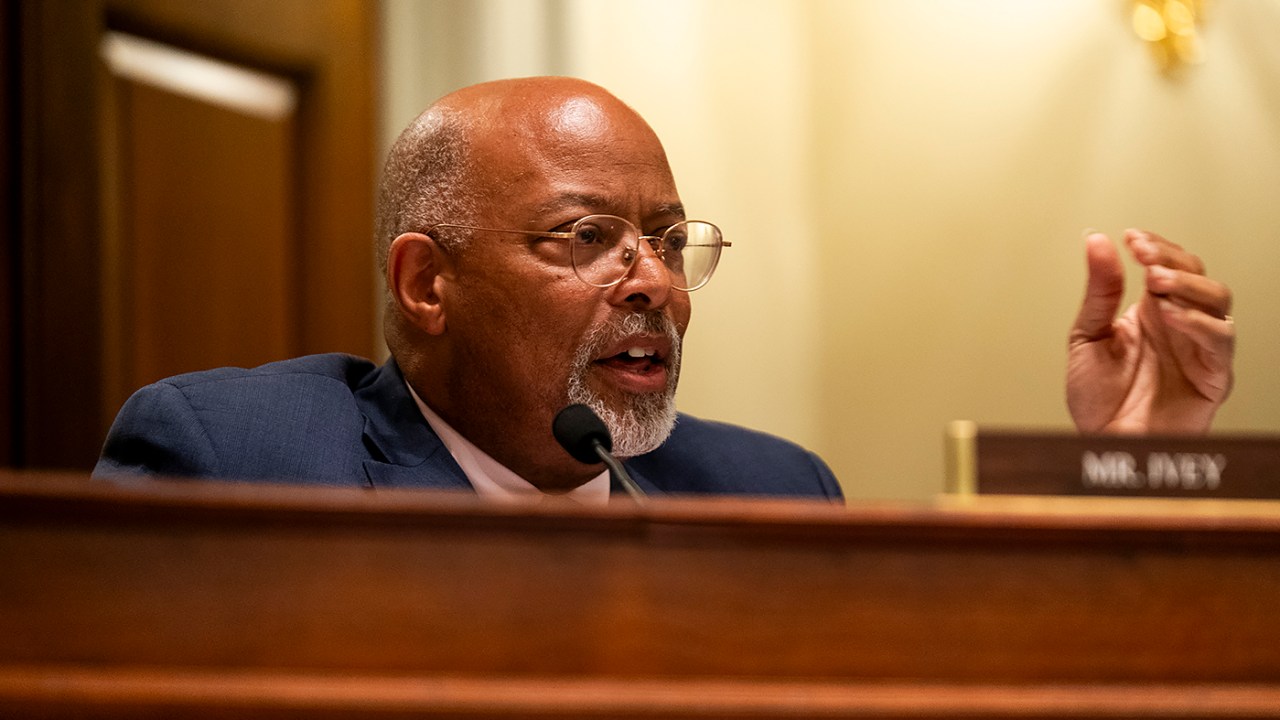
Rep. Glenn Ivey (D-Md.), an avid basketball fan, shared his sports preferences and insights on the unifying power of sports across political divides.
Leave a Reply