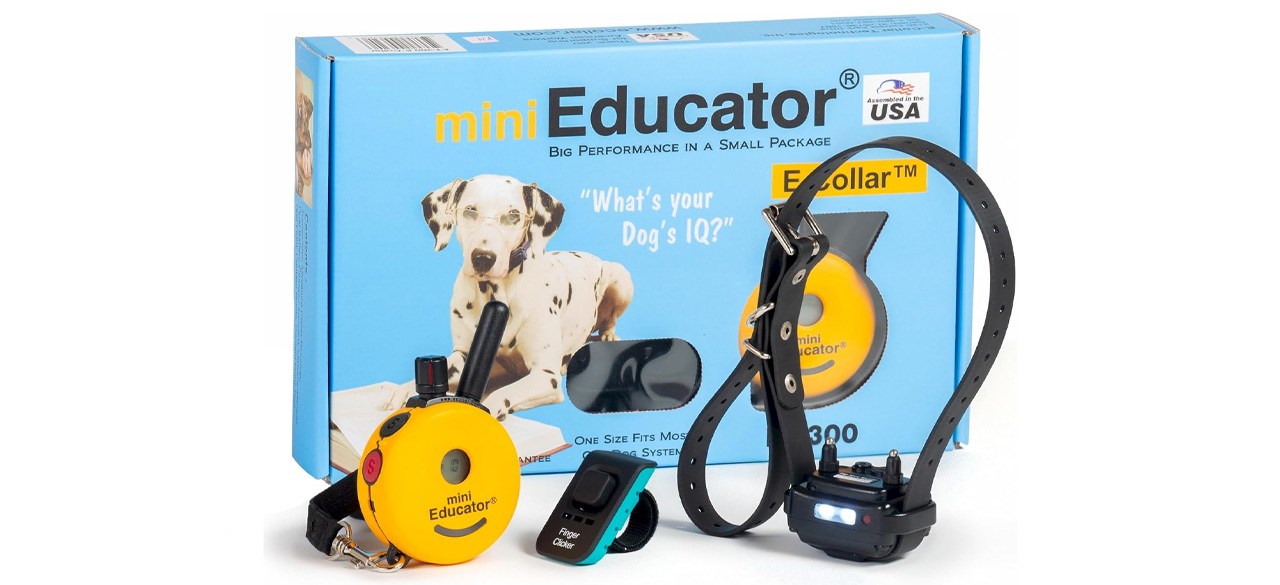
Dogs express themselves through barking, but understanding their needs can be tricky. They might be excited, bored, responding to a sound, or experiencing discomfort. Consulting a veterinarian or behaviorist can help address these issues. Yet, persistent barking might require additional tools. A bark collar, when used with correct training techniques, can assist. A standout option is the Educator E-Collar Humane Dog Training Collar with Remote.
How Bark Collars Operate
Bark collars detect barking and emit a negative stimulus, such as a mild shock or high-pitched sound, to deter the behavior. Some models include a remote for manual control, while others activate automatically with excessive barking. Training is essential alongside using the collar to achieve the best results.
Types of Bark Collars
- Vibration: Vibrates when barking is detected. It’s safe, painless, and effective by startling your dog.
- Ultrasonic: Emits a high-pitched sound only dogs hear. Effective for smaller breeds.
- Spray: Releases an unpleasant mist, often citronella, to discourage barking. Suitable for less stubborn dogs.
- Electric: Delivers a mild shock. Can be uncomfortable for smaller breeds and has a more startling than painful effect.
Potential Issues with Bark Collars
- Long-term use: Intended for training, not regular wear due to heavy weight and possible stress increase.
- Size: Ensuring the collar fits properly is crucial to avoid skin irritation or choking.
- Weight: Heaviness can strain smaller or older dogs.
- Accidental activation: Supervision is important to prevent confusion and training setbacks.
Features of Quality Bark Collars
- Size and adjustability: Ensure the collar matches your dog’s neck size. Adjustable sizes are ideal.
- Design: Includes battery compartment, microphone, and negative stimuli area.
- Materials: Durable, water-resistant construction using nylon or plastic.
- Additional features: Reflective tape, remote control, false-trigger proofing, and diverse stimuli options enhance usability.
Prices for bark collars range from $25 to $60, with advanced models priced up to $200.
When to Use a Bark Collar
Bark collars are suitable for dogs over six months. For reducing excessive barking, behavioral training is paramount. Consider clicker training or dog courses to reinforce positive behavior.
Top Bark Collars to Consider
- Educator E-Collar Humane Dog Training Collar with Remote: Offers adjustable shock, Pavlovian response, and vibration, with options for ranges and tracking lights. Suitable for dogs weighing over five pounds.
- FunniPets Dog Training Collar with LED Light: Features a built-in LED light and four training modes. Effective for medium and large dogs over 20 pounds, though the electric stimulus button is easily triggered.
- Patpet P650 1000-Foot Anti-bark and Remote Dog Training Collar: Offers three harmless training modes and fits necks 9.8 to 25 inches. Best as a training aid to limit barking.
Leave a Reply