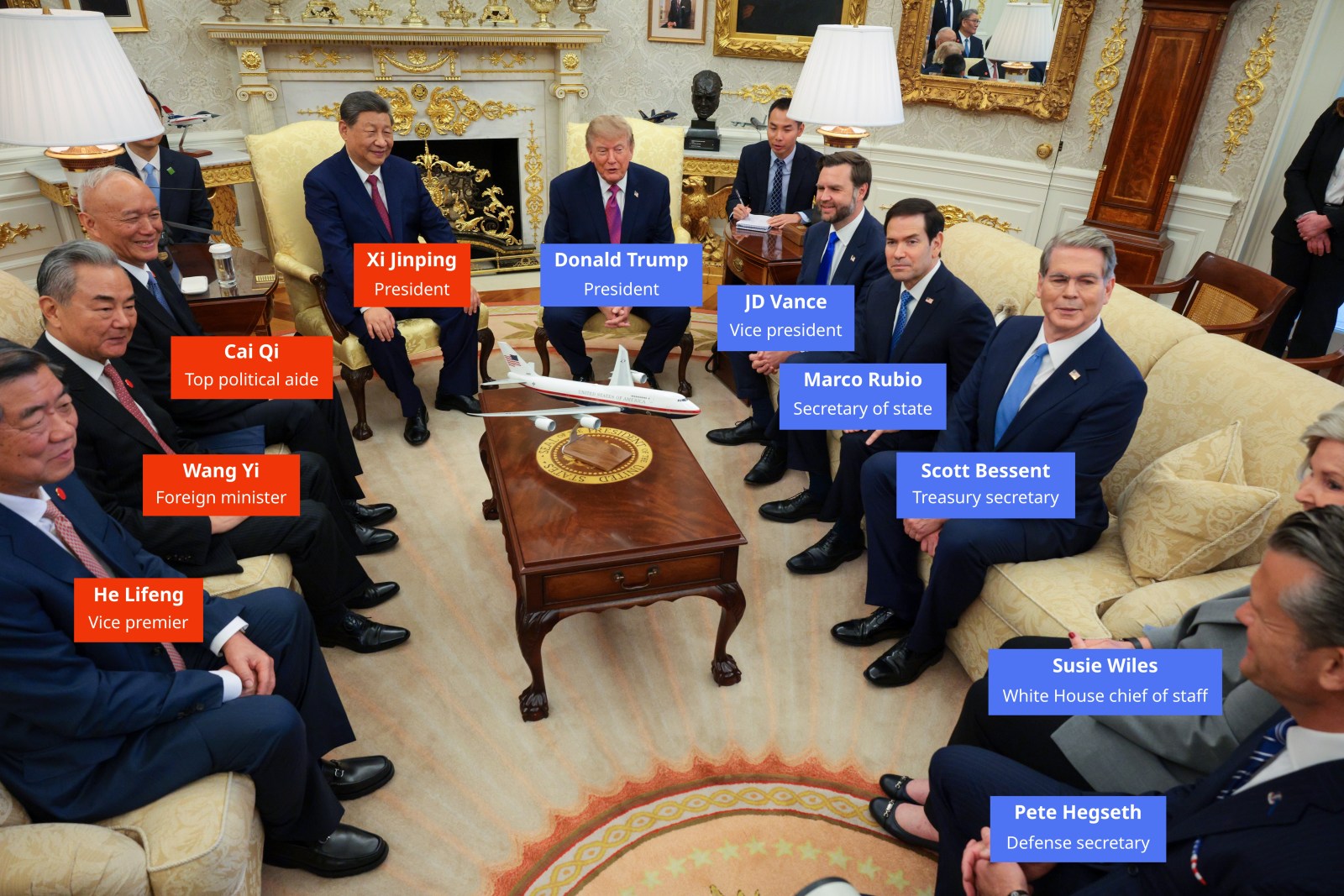
Xi Jinping has led China for fourteen years, aiming to replace the United States’ global leadership with his vision of governance shaped by the Communist Party of China. Xi, now 73, is expected to continue his leadership, especially since he secured a third term in 2022. The upcoming 21st Party Congress in Beijing may present an opportunity for leadership change, raising the issue of succession.
Observers are closely watching for clues about potential successors during Xi’s interactions, such as his recent meeting with President Donald Trump. Analyzing who accompanies Xi and who he trusts can offer insights into future leadership dynamics. Understanding the difference between protocol and power is critical in this context.
The short list of potential successors includes key figures:
- Cai Qi: As Chief of Staff and director of the CCP General Office, Cai holds significant institutional power. He is also responsible for Xi’s security and is part of the Politburo Standing Committee.
- Li Qiang: With a more approachable demeanor, Li has been a close ally since Xi’s tenure in Zhejiang province. He is now No. 2 in the Politburo Standing Committee.
- Peng Liyuan: Xi’s wife, a former military singer, is a sharp political player whom Xi trusts.
- Xi Mingze: Xi’s daughter keeps a low profile. At 34, she brings a blend of global exposure and trust.
- Other considerations include Li Xi, the CCP discipline chief, and Ding Xuexiang, vice premier.
The wild card in any succession plan could be a figure largely unknown outside China. Xi’s recent meeting with Trump boosted his domestic standing, showcasing influence over international relations. However, centralization of power raises fears of political instability when a transition eventually occurs.
There are concerns amongst officials and citizens about potential chaos after Xi’s tenure. Economic challenges and strict political measures add to these worries. The idea of naming a successor might allay fears, but tradition suggests that those close to power could turn into threats.
Insights from Li Hengqing, an economist with the Congress on China’s Future, suggest a high degree of mistrust and the impact of Xi’s political purges. Li quoted a Sung dynasty poem to depict the isolation of power: “I long to ride the wind and return, Yet fear that those fine jade palaces, So high, would be too cold for me.”
Health concerns remain a potential factor in Xi’s future. His history of smoking and drinking fuels rumors, yet similar speculations have circulated since 2012. It remains uncertain whether health issues could end his leadership.
For regular insights into China and its dynamics with the United States, consider subscribing to Newsweek’s China Decoded newsletter.
Leave a Reply