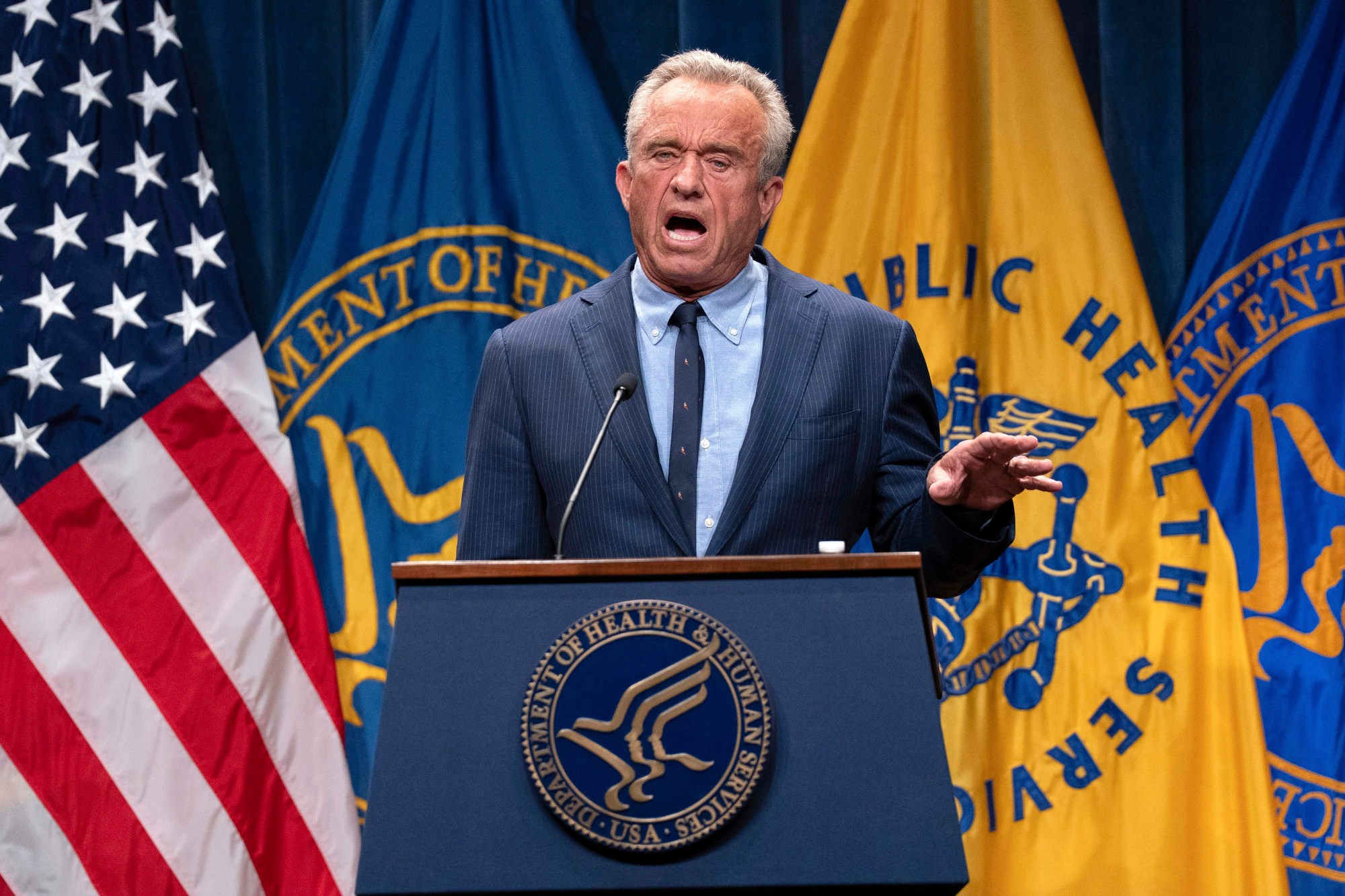
Health and Human Services Secretary Robert F. Kennedy Jr. has sparked controversy with his plan to dismantle the National Vaccine Injury Compensation Program. This program, created by Congress and signed into law in 1986 by President Ronald Reagan, has compensated individuals who suffer adverse reactions from vaccines.
The U.S. government has distributed over $5.5 billion through the program, aiming to protect both individuals and vaccine manufacturers. It offers a streamlined process for compensation, avoiding lengthy court battles, and allows manufacturers to continue producing vaccines without unpredictable liability risks.
The program emerged due to lawsuits that threatened the existence of vaccine manufacturers. These legal challenges led to shortages and increased prices, threatening access to essential immunizations. The program stabilized the vaccine supply, ensuring ongoing production and research to save lives.
“By removing liability protections, Kennedy aims to shift vaccine injury claims to civil courts,” critics argue. This move would potentially open cases to extensive litigation over negligence and causation.
Kennedy’s proposal includes listing autism as a presumed vaccine injury, despite longstanding scientific refutations of such claims. This could overwhelm the system with claims and deplete funds. His stance aligns with conspiracy theories rejecting scientific consensus, undermining global health efforts.
If the program is dismantled, vaccine prices might rise, and manufacturers could halt production. Such scenarios threaten herd immunity, risking outbreaks of preventable diseases, particularly among vulnerable groups.
Critics highlight that dismantling the program harms families it intends to protect. The current system has successfully provided compensation to over 12,500 Americans. Without it, families face expensive, lengthy litigation battles with challenging requirements in proving fault in traditional courts.
The system has setbacks such as administrative delays needing attention. Yet, replacing it with flawed litigation exposes victims to greater hardships. The ongoing debate emphasizes the critical need to balance public health protection and fair compensation.
Richard Sauber, a legal expert, emphasizes the fundamental role of this program in healthcare policy, warning against disruption that could jeopardize vaccine access nationwide.
Leave a Reply