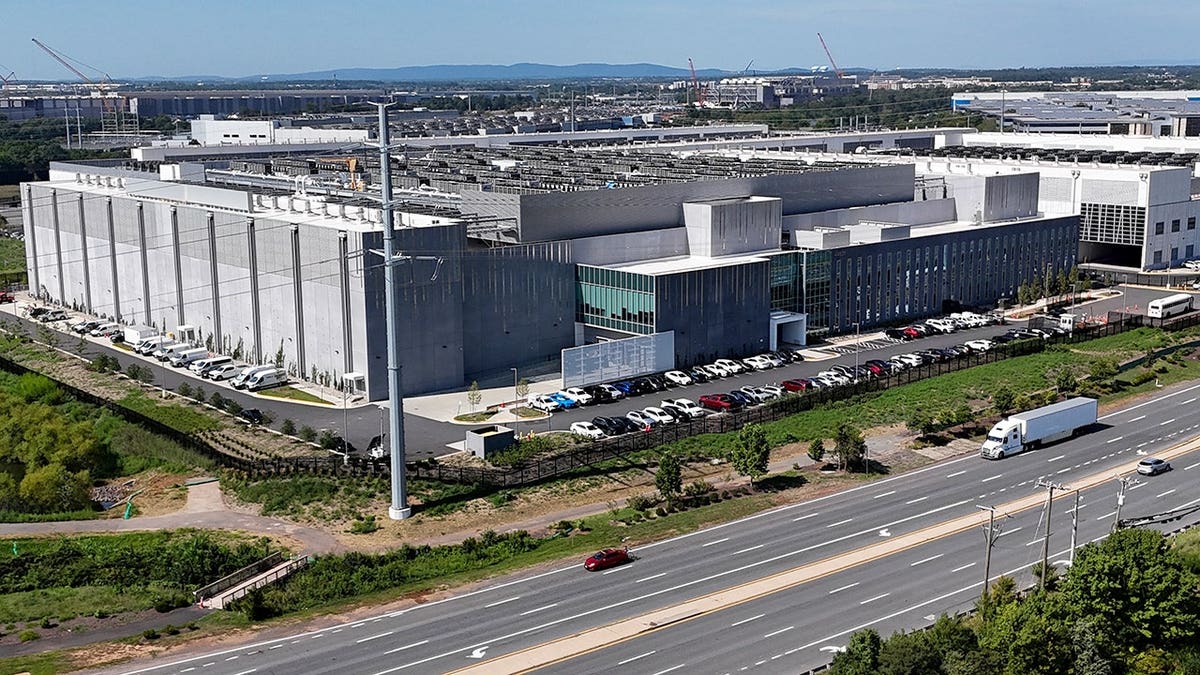
Efforts to expand infrastructure crucial for America’s technological advancement encounter opposition from local communities. This scenario reflects a struggle between Washington’s urgency to surpass China and rising local discontent.
Community Concerns and Legislative Proposals
Representative Suhas Subramanyam, D-Va., representing ‘Data Center Alley,’ warns that local backlash may hinder necessary expansion unless Congress intervenes. According to Subramanyam, obtaining community support is vital for continued development.
‘The communities are being steamrolled by the industry,’ Subramanyam stated, emphasizing a need for dialogue with affected communities. He suggests a four-part federal plan to balance development with local concerns.
The proposal includes guidelines on site selection, energy and water usage metrics, power costs, and security measures for both facilities and surrounding regions.
Securing Community Buy-in
Subramanyam’s Fair Share Act proposes states enforce requirements for large power users to bear more of the infrastructure costs associated with their energy consumption.
‘If federal support is contingent on compliance, states will likely cooperate,’ he explained, advocating for data centers to contribute fairly to infrastructure expenses.
The situation highlights tensions, as residents near Ashburn’s new data center expressed noise and space concerns. While Loudoun County reports revenue from these centers lowering property taxes, Subramanyam points to increased utility costs for residents as a downside.
Industry Response and State Initiatives
Industry advocates argue that data centers do not typically increase residential energy costs. The Data Center Coalition cites a study by E3, indicating no evidence of such cost hikes within existing rate structures.
To address these issues, Subramanyam calls for standardized federal measures to oversee infrastructure development with broader national significance.
In response to these challenges, Virginia Gov. Abigail Spanberger announced measures to empower local control and redistribute infrastructure costs, ensuring water and grid reliability standards are met.
While Virginia pursues a cautious approach, West Virginia seeks to attract large projects through a microgrid program spotlighting potential tax benefits, despite concerns over reduced local governance.
Recent debates in Jefferson County highlight the complexity of balancing economic opportunities with local autonomy.
Finding a Balanced Path Forward
Subramanyam underscores the need for a coherent federal strategy, warning against extremes like inaction or outright moratoriums. His call encourages an approach that integrates national priorities with community needs for sustainable progress.
Leave a Reply