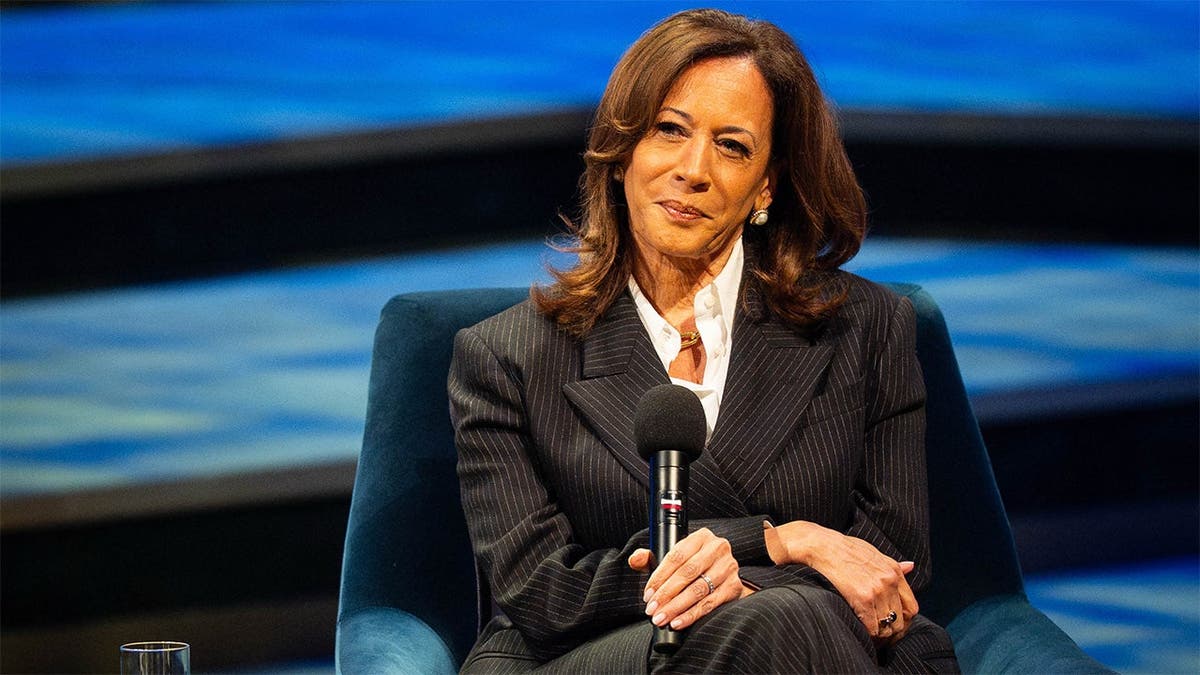
Former U.S. Vice President Kamala Harris recently showcased her memoir, 107 Days, at the Southbank Centre’s London Literature Festival 2025. Though the focus was on her book, discussions about her political future were inevitable. Allies and Democratic surrogates question whether Harris should be the party’s top contender for 2028, weighing her recognition and respect against voters’ desire for new leadership.
Fletcher Smith, a former South Carolina state legislator and Biden 2020 surrogate, emphasized a growing appetite for younger leaders in the party. He mentioned governors, congresspeople, and senators as potential candidates. “People just want to move on,” Smith remarked, suggesting Harris might step aside for others to contribute.
Though respected within the Democratic Party, Harris faces questions about whether that respect will translate into presidential support. Jamal Simmons, her former communications director, acknowledged that while she is admired, the support she garnered in 2024 as a key figure for Joe Biden does not guarantee success in another presidential bid.
Podcast host and former state senator Bakari Sellers noted Harris’s talent but pointed out issues. He said Harris needs to connect better with key constituencies, citing her initial statements on AI rather than focusing on relevant issues such as the cost of living in California. Sellers placed Harris second in his top choices for 2028, behind Maryland Gov. Wes Moore, citing Moore as a significant competitor.
“Let Kamala be Kamala, and you would have the next president of the United States,” Sellers stated on his podcast, crediting her capability but questioning her team’s support.
Democratic adviser Kaivan Shroff compared Harris’s current standing to a lackluster college application. With no substantial changes in her approach since 2024, Shroff suggested that new candidates could gain more traction. He commented on her visibility gained mostly from her book tour, stressing the need for fresh narratives. “Someone new can introduce themselves to voters, Harris cannot,” Shroff asserted.
Despite this, there is faith in Harris’s influence within the party. She remains active, exemplified by her support for Abdul El-Sayed in Michigan. Her actions demonstrate leadership beyond just preparing for another candidacy. However, uncertainty remains about her intentions for a 2028 run.
California Gov. Gavin Newsom expressed that he would not run if Harris decides to campaign in 2028. Harris herself has not confirmed her plans, indicating she is considering the option.
Other Democratic voices show optimism. Ashley Etienne, another former communications director for Harris, believes Harris’s proven advantages would serve her well in an election. Virginia state senator L. Louise Lucas warned against dismissing Harris too quickly, as this could appear politically undesirable, given her qualifications as a Black woman leader.
With mixed reactions, several Democratic senators withheld immediate endorsement for Harris. Sen. Richard Blumenthal stated he has not made decisions on support, citing an anticipated “messy and big primary.” Sen. Elissa Slotkin predicted a crowded race with many candidates. Sen. Angela Alsobrooks, while praising Harris, emphasized the party’s focus on winning back the House and Senate in 2026. The future of Harris’s candidacy remains a topic of lively debate.
Leave a Reply