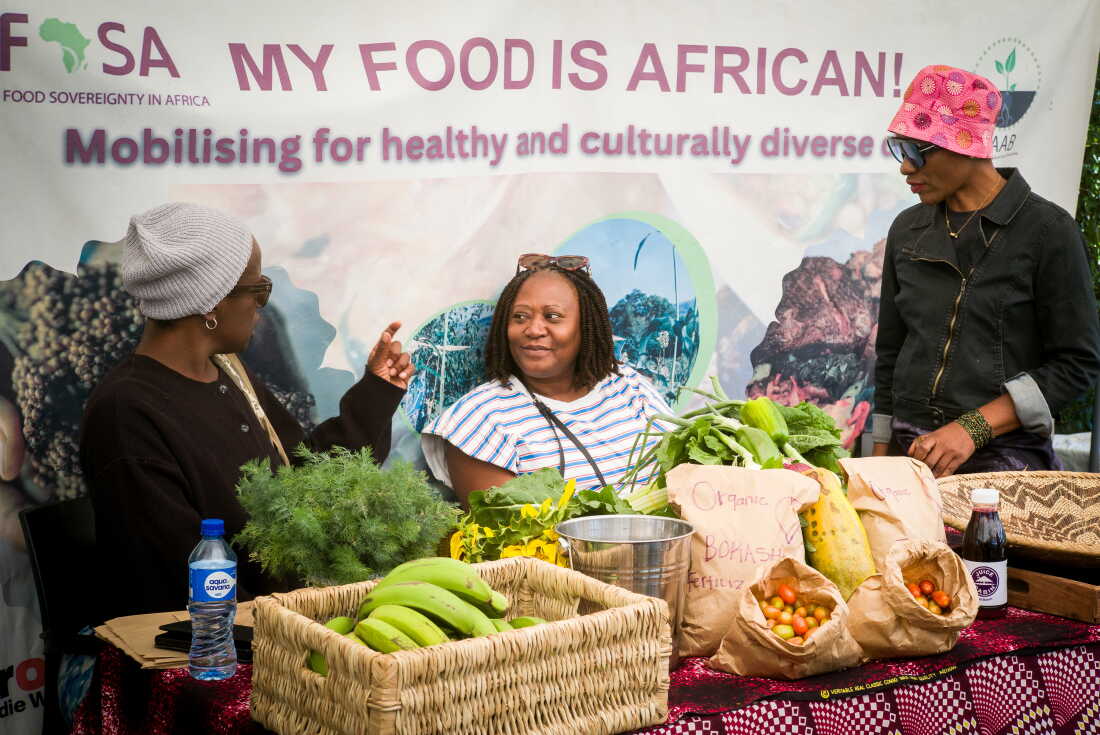
In a bustling market in Zambia, organic vegetables sit alongside bags of homemade bokashi fertilizer, each priced at about $2.50. On a 12-acre farm near Lusaka, Kanangwa Newlove has crafted a farming haven. There are shade-giving fruit trees and, during the growing season, tomato vines draping over trellises. Neat rows of corn, pumpkins, and blackjack, a local leafy green, thrive alongside eleven varieties of lettuce. Newlove shares, “I started taking vegetables to my workmates, and before I knew it I was supplying the supermarket.”
Farmers faced a challenging year in 2026. The Iran war disrupted the Strait of Hormuz, sharply interrupting international trade, including fertilizer shipments. Prices soared globally, impacting African countries where smallholder farmers are particularly vulnerable to sudden cost increases.
Kanangwa Newlove avoided these struggles. She had long relied on her homemade, fermented compost known as bokashi. The popularity of bokashi has grown so much that farmers in Zambia now sell it at markets and exchange tips on social media. The Kasisi Agricultural Training Centre provides bokashi training and regularly sends students to her farm for demonstrations.
Origin of Bokashi
Bokashi’s roots trace back to ancient Korean farming traditions and have gained popularity in Japan. Newlove finds it simple and effective, stating, “We could now have a potent fertilizer — organic — which is ready in [weeks]. It was a game-changer.”
Rabecca Mwila, from the Knowledge Platform for Organic Agriculture and Agroecology in Africa, highlights how Zambian farmers seek alternatives to reduce costs. Bokashi offers them a cost-effective solution.
How to Make Bokashi
For home composters, bokashi involves fermenting food scraps in an anaerobic environment, devoid of oxygen. However, many farmers create a version outdoors using farm-friendly ingredients: leaves, animal dung, charcoal, and ash. Yeast and a sugar source such as molasses or bananas are added to initiate fermentation. As microbes break down the mixture, it heats up. After several weeks, it is buried near crops to complete its breakdown.
Ingredients like plant matter, animal dung, ash, molasses, or a banana and yeast ferment to produce bokashi fertilizer.
Excitement among farmers grows as they testify the cost benefits and soil improvements. Mwila notes the presence of earthworms as a positive sign. With climate change affecting rainfall predictability and dry seasons extending, farmers increasingly consider sustainable alternatives.
Zambian soil has suffered depletion due to synthetic fertilizers and pesticides overuse. The nation previously imported nearly all its fertilizer. The global price surge after COVID-19 and the Russian invasion of Ukraine heightened food security concerns. Alongside bokashi, Zambia has encouraged domestic fertilizer industry growth. A recent announcement highlighted plans for a $1.5 billion fertilizer plant by a Chinese-Zambian conglomerate.
Despite falling global fertilizer prices, some regions in southern Africa, including Malawi, Tanzania, and South Africa, still face high costs. Government subsidies help but don’t cover all demands. Without subsidies, a farmer might spend $400 to fertilize 2.5 acres of corn, notes Donald Zulu from Copperbelt University.
Bokashi and Vegetable Yields
Seeking alternatives, Zulu collaborated with WeForest and local farmers, analyzing bokashi’s effectiveness on corn and cabbage in 2024. The study revealed encouraging results, as bokashi nearly matched mineral fertilizer yields. Surprisingly, the highest crop yields came from using smaller quantities of both bokashi and mineral fertilizers.
Newlove praises bokashi for being non-toxic and free of harmful chemicals, saying, “Even when you’re making it, you don’t need to wear a mask because it’s not toxic.”
For her, bokashi signifies sustainable farming that cares for the land.
Leave a Reply