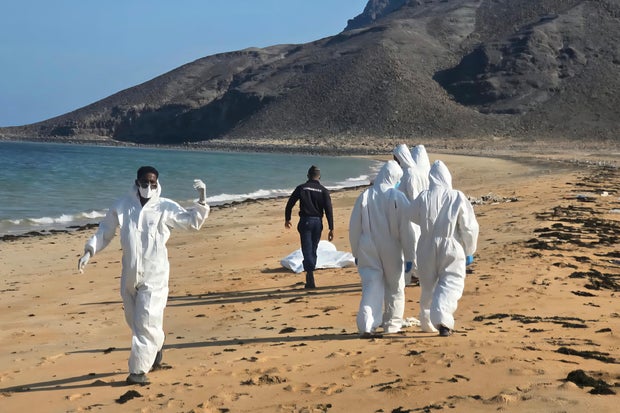
In a tragic incident, over 139 individuals, including children, lost their lives when a boat carrying more than 300 migrants capsized near Djibouti in East Africa. The International Organization for Migration (IOM) provided this information, highlighting the severity of the crisis.
“This is a devastating loss of life. Our thoughts are with the survivors and the families who have lost loved ones or remain without news of their relatives,” Alexandre Coissac, the IOM chief of mission in Djibouti, stated.
The reported number includes only those interred by Djiboutian authorities. According to Coissac, some migrants were buried by their companions but will not be counted officially until authorities can confirm their identities. He emphasized the tragedy of unmarked and communal graves, noting, “They all have a mother, a father, and we may never learn what happened.”
The migrants had boarded the vessel on October 8, which sank shortly after due to being overcrowded, said Coissac. Despite local authorities’ efforts, they were overwhelmed by the influx of bodies reaching the shores.
The IOM indicated that among the recovered bodies were nine girls and six boys. More than 80 people survived, all identified as Ethiopian nationals. Rescue operations continued, with surviving migrants receiving medical aid and psychological support at the IOM rescue center in Obock. Coissac confirmed, “They’re all in a state of shock.” He found it challenging to interact with the survivors, some of whom have already learned of their family members’ deaths.
At least 84 individuals remain missing following one of the deadliest shipwrecks on the risky route from the Horn of Africa to the Arabian Peninsula. The boat journeyed from Djibouti to Yemen when tragedy struck. IOM’s data suggests over 900 migrants died or disappeared along this path last year, with an 18% increase in those attempting the dangerous voyage compared to previous years.
The IOM released footage showing personal belongings likely belonging to the migrants scattered along the beach. Rescue efforts persist, fueled by concern for those unaccounted for. Tens of thousands of migrants journey annually through Djibouti and the Bab el-Mandeb Strait toward Gulf countries in search of opportunities, despite rising conflicts in Yemen.
“This tragedy is a reminder of the dangers faced by migrants as they seek economic opportunities,” warned Coissac.
While many seek work in places like Saudi Arabia, recent weeks have seen aid provided to at least 2,000 Yemenis in Djibouti. IOM Director-General Amy Pope stressed the need for safe and legal migration routes, stating, “No one gets into a boat like that unless they believe there is no other safe way.” She urged governments and donors to prevent future tragedies.
Leave a Reply