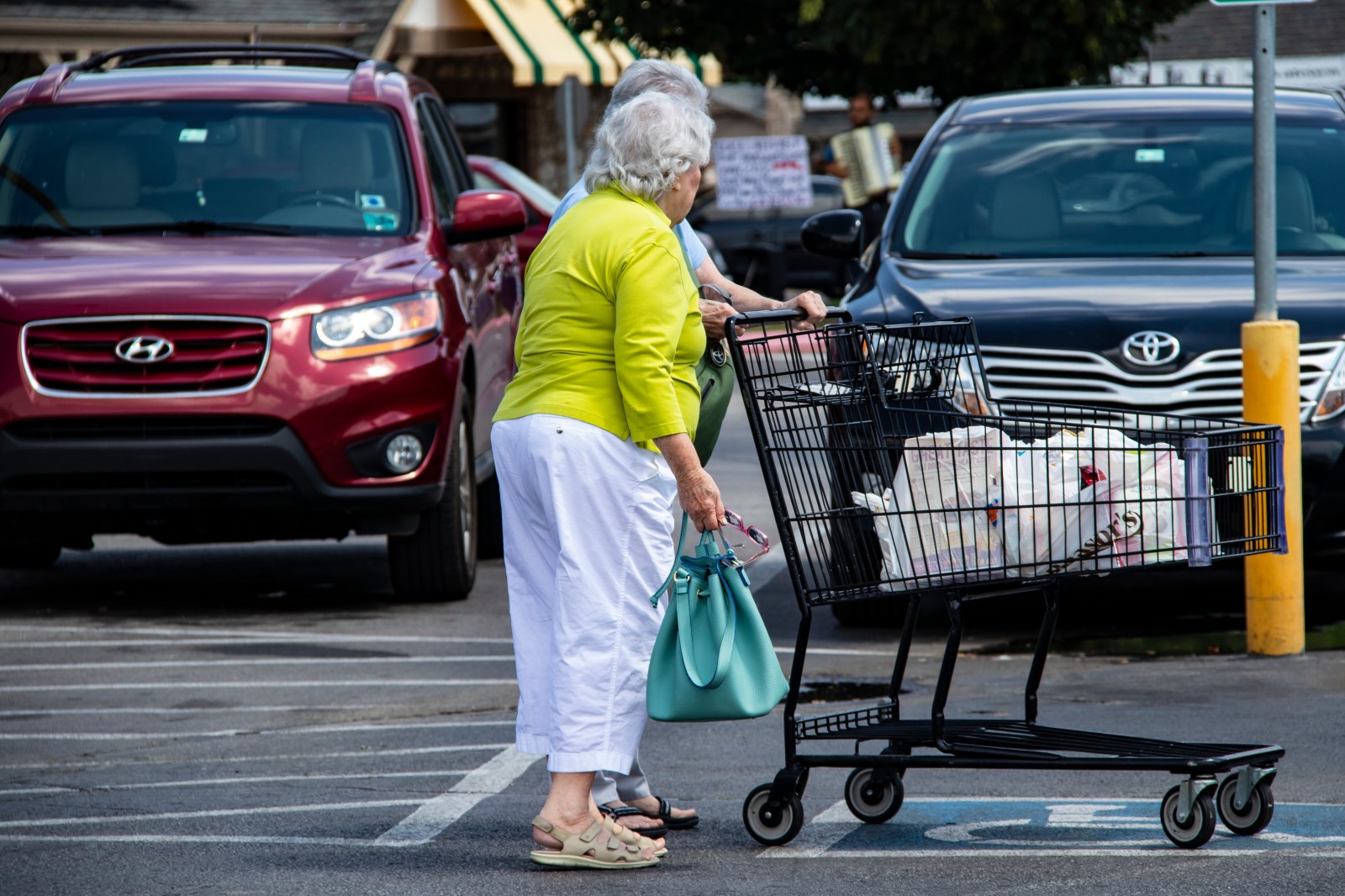
Baby boomers are set to significantly shape the U.S. economy. Their wealth and evolving needs are realigning spending towards health care, housing, financial services, and luxury experiences. This insight comes from a recent study by Moody’s Ratings.
Wealth Accumulation Among Boomers
Born between 1946 and 1964, baby boomers hold more wealth than any other age group in the United States. They possess about 52 percent of the nation’s total household net worth. In housing, they own approximately 41 percent of U.S. real estate assets. Realtor.com reports this is nearly $19 trillion worth of property.
This significant wealth results from decades of homeownership, especially when housing costs were lower in the 1970s and 1980s. However, high borrowing costs and rising home prices continue today.
Concentration of Wealth
Within this generation, wealth distribution is skewed. The richest 10 percent of boomer households control around 71 percent of the generation’s total wealth according to Moody’s Ratings.
The median wealth of boomers aged 65 and older was about $372,000 in 2022. This contrasts with the Silent Generation’s $250,000 at the same age when adjusted for inflation. The Silent Generation includes those born from 1928 to 1945.
The ‘Silver’ Influence on the Economy
America’s aging population, with declining birth rates, parallels global trends. By 2060, about 20 percent of the global populace will be 65 years or older, doubling the 2025 share based on Census Bureau data. This aging, especially in the wealthiest generation, boosts demand for products and services that cater to older adults.
Moody’s anticipates affluent older Americans will drive demand for private banking, wealth management, luxury travel, premium dining, and health-related goods. Technological adoption by boomers could advantage companies in telehealth, e-commerce, streaming, and digital financial services.
Market Impact
Mid-market businesses might struggle. Moody’s foresees weakened growth for mid-market retail, casual dining, and generic consumer products. Spending on apparel and vehicles tends to decrease after age 55.
This leads to a ‘barbell’ effect, with opportunities at the premium market end and in aging-related industries, while middle-market businesses face pressure.
Healthcare and Aging
Health care is likely to benefit most. Households led by individuals aged 75 or older allocate about 14 percent of their consumption to health care. In comparison, those led by individuals under 25 spend around 3 percent.
Impact on Housing
Housing is another sector influenced by boomers. About 75 percent of Americans 50 and older prefer staying in their homes as they age. This is partly due to persistent high mortgage rates that anchor many homeowners, even those with oversized homes they no longer need.
This trend supports demand for home modifications, maintenance, HVAC systems, roofing, smart-home health monitoring, and accessibility services. Senior housing will also see increased demand for late-life accommodations.
Spending and Consumption Patterns
Despite boomer wealth, overall consumption may not rise. Households aged 75 and older spend only about 56 percent as much as the highest-spending age group.
Boomers face unique vulnerabilities due to reliance on defined-contribution pensions and market-linked retirement funds. Economic downturns affecting equities, interest rates, housing wealth, and consumer confidence can impact their discretionary spending.
The effects extend beyond boomers. With shrinking younger cohorts and a growing older consumer segment, Moody’s expects reduced demand in sectors associated with younger families, such as education, childcare, and children’s products.
Leave a Reply