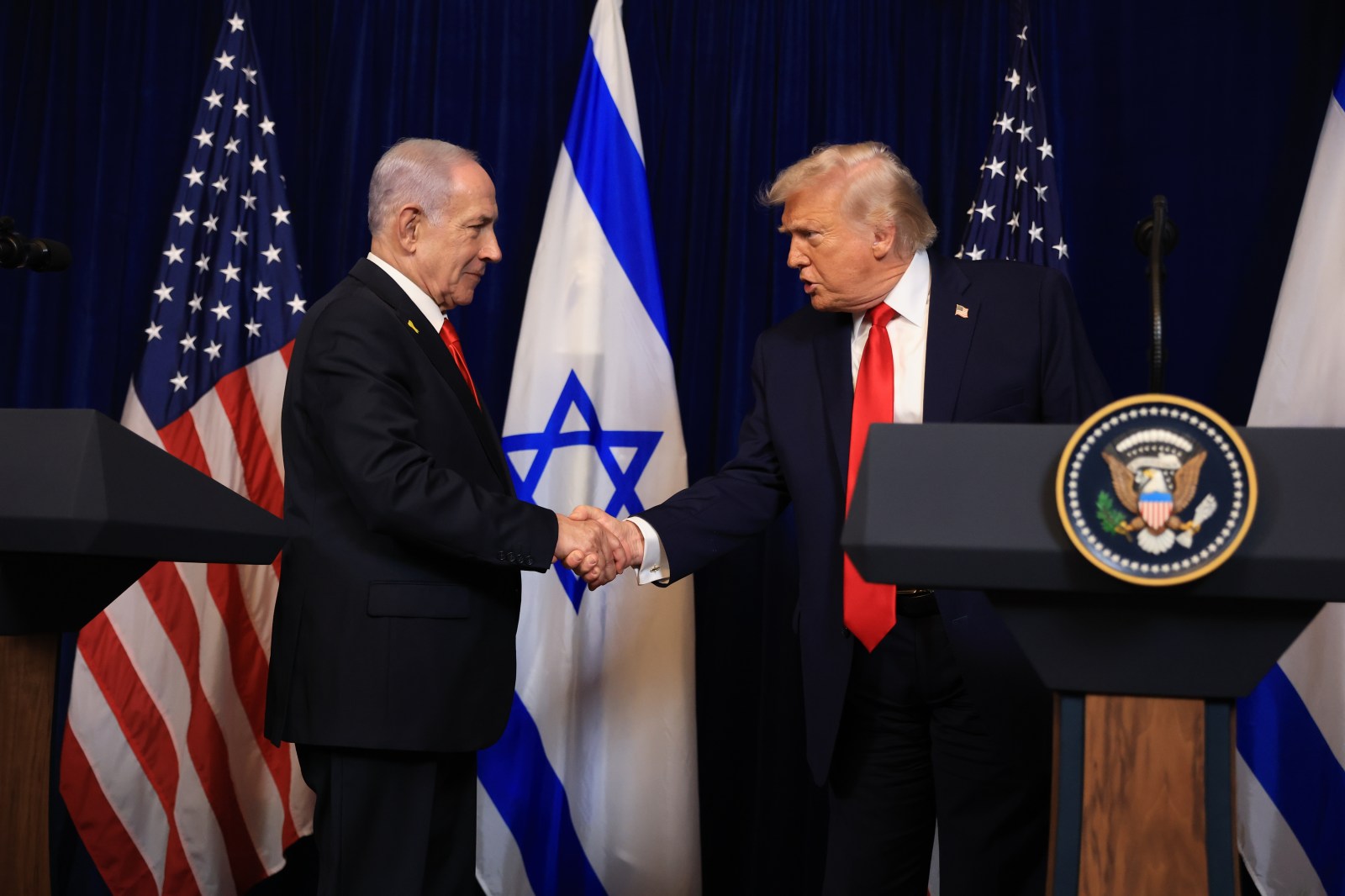
Donald Trump has formally endorsed Israeli Prime Minister Benjamin Netanyahu just days before an election. This support poses significant implications for Israel’s democratic status. Israeli voters should focus on their own decision-making, as Trump may contest Netanyahu’s removal even if the electorate opts for change.
Trump’s endorsement arrived with praise, labeling Netanyahu as a key leader in conflicts and a strong ally against Iran. He suggested that America might face Iran without Netanyahu. This is a remarkable statement from a U.S. president regarding an ally’s democratic choices.
Trump is popular in Israel due to key actions such as recognizing Jerusalem as Israel’s capital and acknowledging Israeli sovereignty over the Golan Heights. The Abraham Accords and his stance on Iran have also garnered appreciation. However, supporting Israel is distinct from backing Netanyahu, and these may now be conflicting interests.
It is common for Trump to intervene in other nations’ elections, especially supporting right-wing candidates. Examples include sending U.S. officials to aid candidates in Poland and Hungary, with varying success. Trump admires leaders who claim to represent their nation while dismissing political rivals and disregarding institutional constraints.
Netanyahu’s actions increasingly align with this political model. His coalition has weakened judicial independence and targeted key institutions. This reflects a familiar populist approach: maintaining democratic appearances while eroding necessary checks on power.
Beyond democratic concerns, Netanyahu’s tenure has produced numerous issues. One notable incident is the security failure on October 7, 2023, where Israel underestimated Hamas, leading to severe consequences. Calls for an independent inquiry have been resisted.
In terms of military policy, although there have been substantial efforts against forces like Hamas, stability in the region remains elusive. Military expenses have not translated into long-term security, and Israel’s international image has suffered, particularly after the Gaza conflict.
Netanyahu’s political alliances pose internal threats. Ultra-Orthodox parties demand military exemptions and maintain educational systems lacking in key subjects, which could affect economic and military sustainability. Without reform, this could lead to economic strain and a brain drain.
On the far-right spectrum, ministers like Itamar Ben-Gvir and Bezalel Smotrich push for settlement expansions and confrontations in the West Bank, increasing tension and harming Israel’s reputation. Attacks on journalists and foreign visitors amplify these issues, risking economic sanctions from Europe.
Israel’s economy relies on international relationships. A conflict with Europe or increased U.S. pressure could lead to economic decline. Current polls suggest Netanyahu’s coalition may not secure a majority, but forming an alternative government could prove challenging.
Should Netanyahu’s coalition lose, Trump might escalate his involvement. He could pressure Israeli leaders like Gadi Eisenkot and Naftali Bennett to maintain Netanyahu’s position for alleged unity against Iran or to ensure U.S. support.
American influence could extend to promising peace agreements, such as normalization with Saudi Arabia. These offers might pressure Israeli politicians to align with Netanyahu despite their aim to replace his leadership.
If Trump influences Netanyahu to seek a viable peace, especially with Saudi Arabia, it could shift the dynamics. However, Saudi cooperation isn’t guaranteed and depends on significant commitments, particularly regarding Palestinian statehood.
Trump’s involvement could force Israeli leaders to consider whether potential diplomatic gains or renewed conflict justifies upholding a leadership style they oppose. The choice may be historic for Israel. While Trump’s actions hold influence, Israelis must define their own political path, ensuring that their leadership reflects their electoral decisions.
*Dan Perry, the author of this analysis, has extensive experience as a journalist covering Europe, Africa, and the Middle East, and serves as chairman of the Foreign Press Association in Jerusalem.*
Leave a Reply