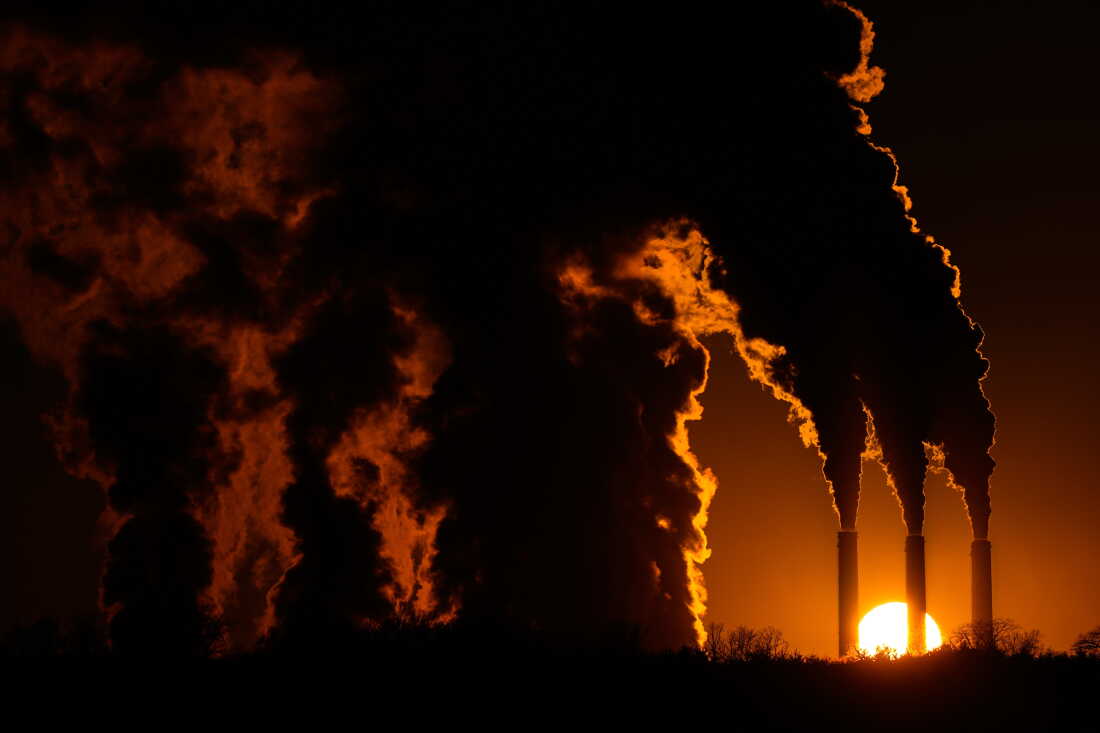
The Jeffrey Energy Center coal-fired power plant in Topeka, Kansas, was highlighted in a recent image. According to a new United Nations report, burning coal significantly raised greenhouse gas emissions in the United States last year.
Countries are struggling to reduce emissions that drive climate change, with the United States prominently contributing to the problem. The U.S. stands out as the only major economy where planet-warming emissions increased significantly last year. The report finds the U.S. matched Russia for the highest per capita emissions among G20 countries. Although China emits more greenhouse gases overall, its population is more than four times larger.
Globally, emissions remained almost unchanged last year compared to the previous year. In the U.S., emissions climbed due to a rise in electricity demand and policies from the Trump administration favoring fossil fuels. These include prolonging the operation of coal-fired power plants, rolling back fuel-efficiency standards, and ending tax credits for renewable energy projects.
Inger Andersen, executive director of the U.N. Environment Programme, notes that the U.S. is isolating itself with escalating greenhouse gas emissions, especially amid global oil and gas disruptions due to conflicts in Ukraine and Iran. Other G20 countries, like the European Union, have managed to sustain emissions reductions by investing in energy efficiency and renewable sources.
Additionally, the Trump administration’s withdrawal from the 2015 Paris Climate Agreement underscores the U.S.’s retreat from U.N. climate efforts. It argues that the international system places an undue burden on Americans. The U.S. Environmental Protection Agency has reversed its stance on the dangers of greenhouse gases. The new U.N. report, released before global climate talks in Turkey, notes the U.S.’s lack of endorsement for the analysis and findings.
The report warns of the vast impacts of fossil fuel combustion. The Earth has warmed by about 2.7 degrees Fahrenheit since the mid-1800s, according to the World Meteorological Organization. This warming is causing severe hardships, including extreme weather events and damaging natural disasters.
Secretary-General Antonio Guterres emphasizes the need for large emitters, notably the U.S., to take more aggressive action as every fraction of a degree of warming counts. The planet risks warming by 5 degrees Fahrenheit this century, leading to catastrophic consequences.
The U.N.’s Paris Climate Agreement aims to limit warming to well below 3.6 degrees Fahrenheit, though the latest report suggests even more modest targets may now be unattainable. A 25% reduction in global greenhouse gas emissions is needed in the next decade to achieve these goals, yet current commitments fall short. Approximately two-thirds of countries have updated their emissions reduction plans, predicting a 15% decrease, insufficient to meet necessary targets.
Leave a Reply