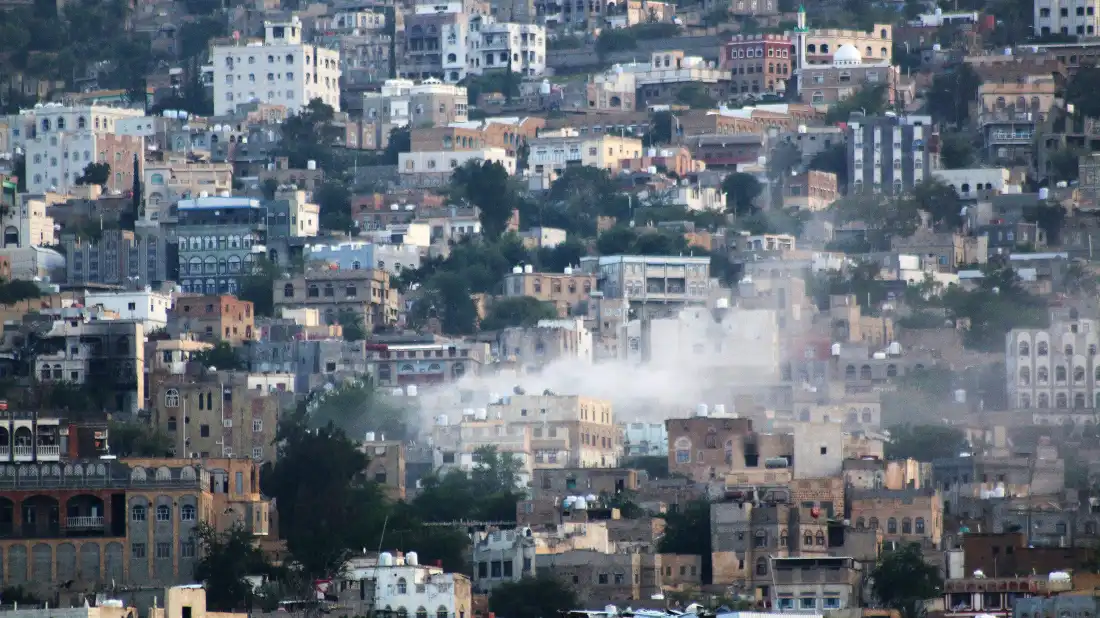
The city of Taiz in Yemen is experiencing a critical water shortage. The situation has worsened recently due to the siege by Houthi rebels, supported by Iran. Humanitarian groups report that Taiz, the third-largest city in Yemen, is struggling to meet the needs of its over 1 million residents.
Access to wells is restricted, and desalination plants are low on fuel. Water delivery into the city has become challenging, causing families to ration their water supplies. Before the siege, Hadil al-Shahid and her two children consumed about 10 liters of bottled water daily. Now, they stretch this amount over four days, cutting out usual beverages like coffee and tea.
Water costs have surged by 75%, forcing families to purchase on credit. Taiz, a crucial link to southern Yemen, also faces food shortages and inflated prices. Fuel scarcity is affecting hospitals and sanitation, heightening public health concerns. Amnesty International has urged immediate action to open roads into Taiz.
Impact on Resources
Taiz’s predicament is a long time brewing. The civil war in Yemen began in 2014 when Houthis took over much of the north, leading to a sustained focus on Taiz in the conflict. War damage has exhausted the aging water infrastructure, exacerbated by population growth and droughts.
For years, residents relied on trucked water, yet recent clashes have jeopardized deliveries. Since August, Houthi advances have further restricted access, driving up prices. Fuel shortages have limited the water utility’s function and reduced desalination capacity.
The influx of approximately 124,000 displaced people into Taiz is intensifying the demand for water and essentials. Many live in temporary shelters, subsisting on minimal food.
Cascading Shortages
Cooking fuel has become costlier, with prices more than quadrupling. Families now resort to burning wood or cardboard for cooking. Community kitchens face operational challenges, and waste-collection services have ceased.
“The shortages feed into each other,” said Jens Laerke from the United Nations. “Without fuel, water pumps, hospital generators and waste collection stop. Less clean water and accumulating waste raise the risk of diseases like cholera.”
Tapping into unprotected wells can introduce waterborne diseases. Food prices are also rising, with flour and rice costing 50% more than during the summer, making vegetables scarce.
Ahmed Abdel Gaber, living in the remnants of a building with family members, recounts unstable income from hauling construction materials. His family survives largely on aid contributions.
Hair salon owner Al-Shahid’s earnings dried up as customers prioritized spending on essentials. Her children now primarily consume rice, bread, and cheese.
The Strategic Importance of Taiz
Despite government forces holding the city’s center, the siege hampers their supply routes. There’s ongoing conflict as government troops resist Houthi advances around Taiz’s outskirts. For the Houthis, controlling Taiz is crucial to advancing towards southern areas like Aden, yet arduous due to high civilian density.
Ahmed Nagi, a senior analyst at the International Crisis Group, noted, “Any attempt by the Houthis to take the city entirely would result in a prolonged and costly battle.”
Houthi officials claim control over substantial areas surrounding and within Taiz, though these claims remain unverifiable.
Growing violence includes recent missile strikes by Houthis that killed civilians and underscored the everyday dangers. Abdel Gaber reports daily explosions nearby, which prevents his family from returning to their home village.
Moving is not feasible for Al-Shahid, whose family sees staying in Taiz as their only choice despite the dangers.
Leave a Reply