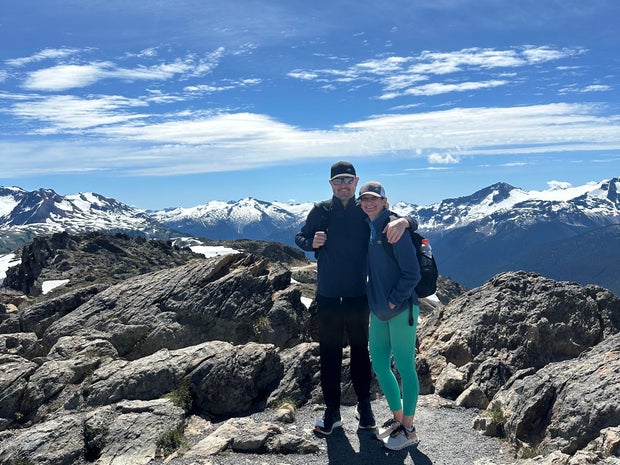
Ryan Goepel was no stranger to managing gout, an inflammatory condition that can be influenced by diet and lifestyle. Yet, a persistent ache in his knee during a September 2024 trip motivated a visit to his doctor, leading to a life-changing diagnosis.
Initially, Goepel assumed the pain was a typical flare-up. However, after his doctor conducted blood tests, she delivered alarming news: he had no functioning immune system. Promptly, he was directed to a hospital where further tests revealed he had leukemia.
Once admitted to a nearby sports medicine hospital, Goepel learned that his situation was dire. His internal organs were nearing a critical shutdown. An oncologist briefed his girlfriend, indicating the necessity of considering hospice care for him.
The Path to Diagnosis
Seeking hope, Goepel and his girlfriend pursued a second opinion at Sylvester Comprehensive Cancer Center in Miami. A biopsy confirmed acute myeloid leukemia (AML), a blood cancer with approximately a 30% five-year survival rate according to the Cleveland Clinic.
Complications arose due to Goepel’s disease’s adverse-risk genetic profile, likely unresponsive to typical chemotherapy. Despite the grim prognosis, an opportunity emerged: an opening in a clinical trial exploring new treatments typically for older AML patients.
Clinical Trial: A Turn of Events
Dr. Justin Watts, Goepel’s hematologist-oncologist, believed he was an ideal candidate for the trial due to the genetic resemblance of his AML to much older patients. Acceptance into the trial soon followed.
The treatment involved daily medication over 28 days and an infusion during the initial week. Remarkably, his cancer showed signs of remission within two weeks, a result Goepel described as surreal.
Within the clinical study, 25 out of 36 patients saw significant improvement or remission during the treatment period. The trial patients benefited by spending less time in hospitals with fewer complications compared to standard treatment recipients.
Life After Leukemia
Completing the trial was only a step in Goepel’s recovery. A bone marrow transplant was necessary to fully restore his immune system. Fortunately, both of his sisters were perfect donor matches.
Post-transplant, Goepel spent time recovering at home, tackling minor complications like rotavirus and pneumonia, and witnessed ongoing success in the cancer being kept at bay. His survival and recovery owed credit to the trial’s timely intervention according to Dr. Watts.
Two years free from the disease, Goepel is writing a new life chapter. He married his girlfriend in November 2025 on the anniversary of his remission. Today, Goepel embraces life without anxiety about the cancer’s return.
“It’s about not living in fear, learning to relax, and enjoying life once more,” Goepel reflects on his journey.
Leave a Reply