The Trump administration is prioritizing testosterone deficiency as a concern for military readiness. They have introduced new guidelines for screening male service members, addressing a wider issue of male health and the declining pool of eligible recruits.
Adm. Brian Christine, from the Department of Health and Human Services, highlighted national defense implications of low testosterone in an interview. He noted that 77% of Americans aged 17 to 24 do not qualify for military service without a waiver, due to challenges like obesity and chronic disease. Specifically, over 70% of young men are ineligible, with only around 3% showing interest in serving.
The Trump administration is renewing its focus on military readiness. Christine played a key role in shaping an initiative that led to the Pentagon’s decision on testosterone deficiency screening for male service members aged 30 and older, starting in September.
President Trump emphasized rebuilding the military, enhancing fitness requirements, eliminating certain policies, and focusing on combat readiness.
Christine, with over 35 years in men’s health, explained that testosterone levels have seen a decline for decades, impacting those in military service. The guidelines involve a mandatory screening process for these service members to identify testosterone deficiency symptoms, possible further testing, and appropriate treatment.
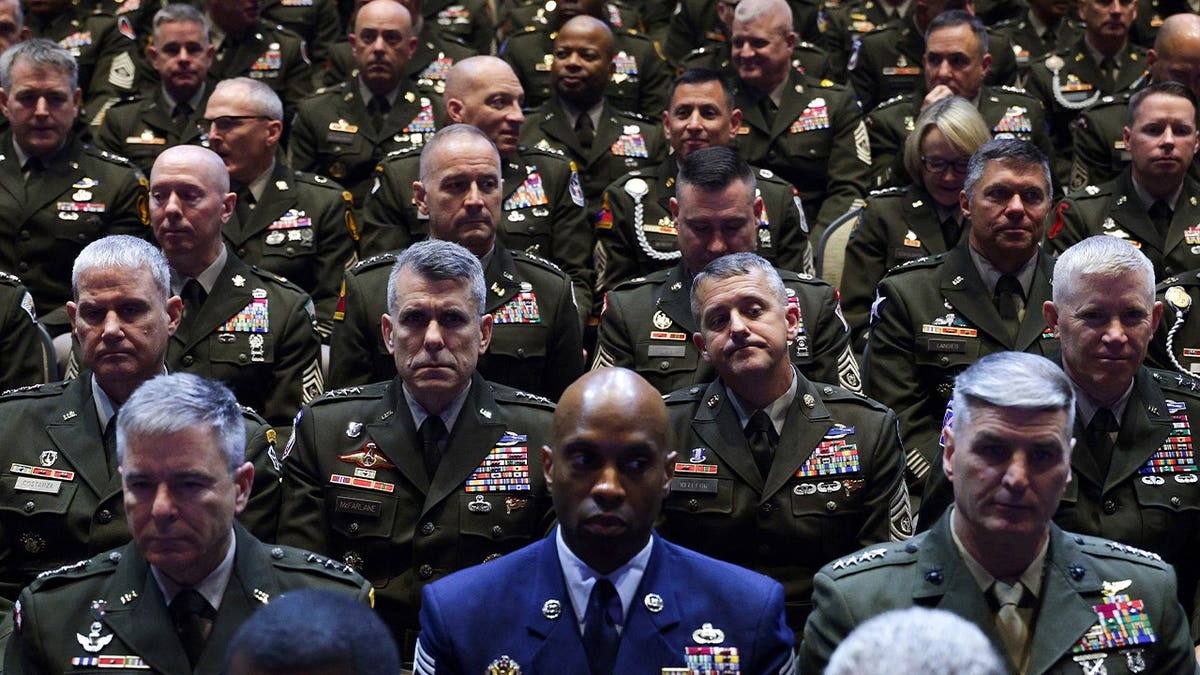
The initiative by Secretary of War Pete Hegseth involved gathering around 800 military leaders at Marine Corps Base Quantico. Christine stressed that this effort is about screening and offering treatment pathways for symptomatic men with low testosterone.
Obesity and chronic disease are known factors contributing to low testosterone. Environmental factors like microplastics and toxins are also under investigation as potential causes. In the mid-1970s, average testosterone levels were above 650, but have now dropped to about 350.
Dr. Jay Bhattacharya, from the National Institutes of Health, noted that testosterone deficiency might be underdiagnosed, as diagnosis requires both symptoms and low hormone levels. He stressed the need for understanding the decline in levels and providing proper medical guidance.
Bhattacharya also pointed out the need for investigation into declining sperm counts, which might relate to broader reproductive health issues. Understanding environmental factors is essential to addressing these concerns.
Christine argued that testosterone affects more than muscles; it impacts overall health, lifespan, and wellness. Men with low testosterone often face higher rates of anxiety and depression.
The administration is also creating hormonal health guidelines for female service members, following the male guidelines launched in September. This initiative ensures that service members can perform effectively while dealing with broader male health challenges.
Leave a Reply