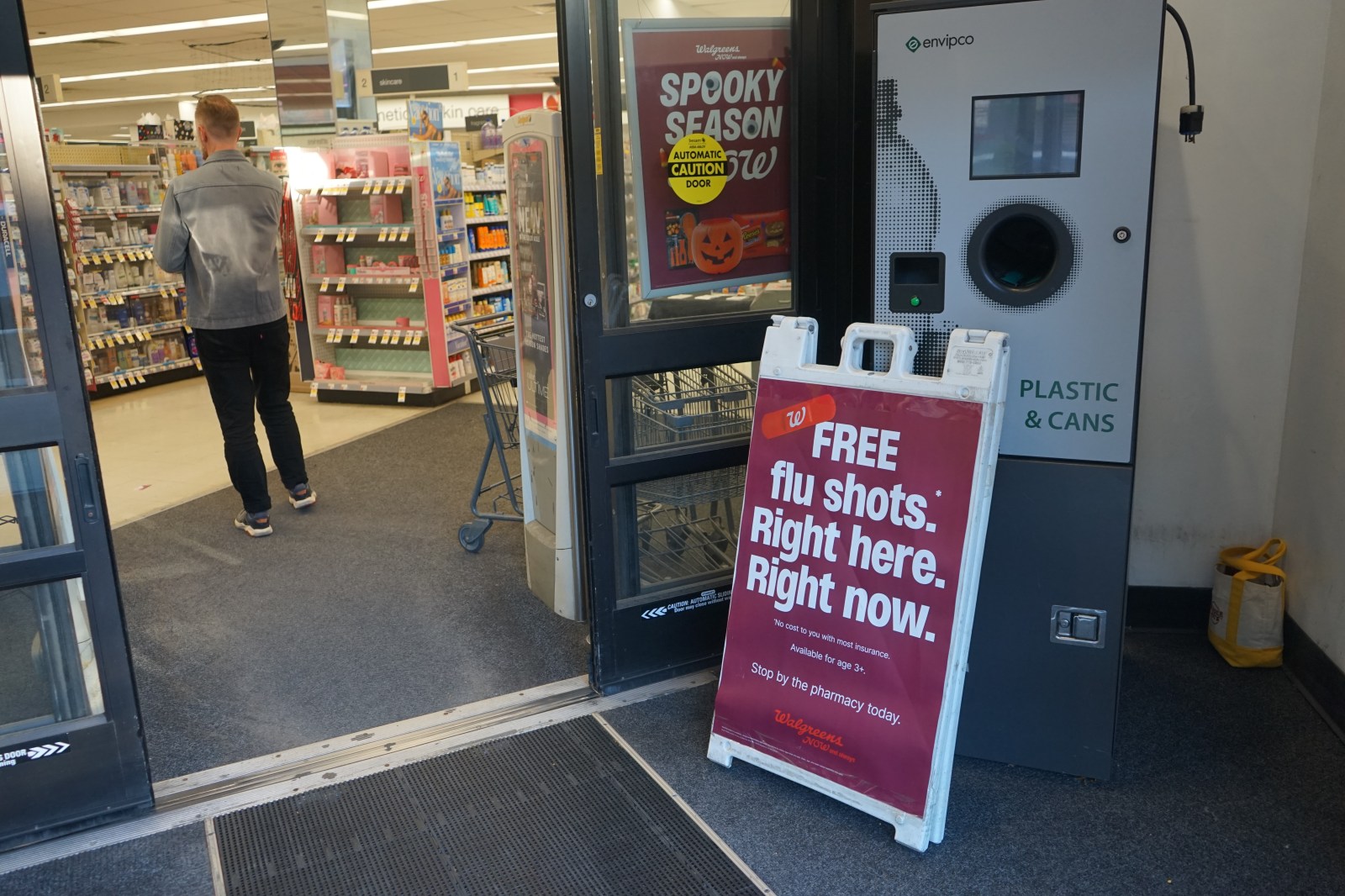
Americans face an early rise in flu activity, prompting health officials to advocate for flu vaccinations. Recent weeks have seen increased hospitalizations, positive tests, and emergency visits related to flu activity. The Centers for Disease Control (CDC) reported 4,811 lab-confirmed flu admissions nationwide for the week ending October 17. This represents the highest hospitalization rate for this time of year since 2010-11.
The CDC noted, “Early-season influenza activity is currently higher than typically observed at this time of year.” They have reached out to Newsweek for additional comments. Meanwhile, Walgreens data suggest that the flu season may be arriving earlier than usual. The pharmacy chain has indicated that flu activity is tracking approximately four weeks ahead of recent seasons based on testing, prescriptions, and retail sales data.
“It’s an early start to the season, and, when it comes to the primary value of the vaccine, it is in prevention of severe disease including hospitalization. It’s too early to know the trajectory of the season, but people should get vaccinated ASAP,” explained Dr. Amesh A. Adalja from Johns Hopkins Center for Health Security.
Current Flu Virus Strain
Most flu viruses identified this season are H1N1. Although the virus has undergone genetic changes, it remains a descendant of the 2009 swine flu pandemic virus. The CDC’s surveillance shows that 239 of 241 influenza A samples analyzed were H1N1, dominating this season. The H3N2 subclade K, also called “super flu,” detected last year, is not prevalent.
Researchers continue to assess the evolution of circulating viruses. At this stage, it’s too early to say if this season will be more severe than in previous years.
Flu Activity Across States
The latest CDC map shows varying influenza activity levels across states for the week ending October 17. Louisiana and Hawaii reported “moderate” influenza-like illness, while Florida, South Carolina, West Virginia, Oregon, and Washington have “low” activity levels. Other states remain at minimal levels.
Why Is Flu Season Starting Early?
Some experts express concern about the early rise in hospitalizations. Flu seasons can vary significantly. Some seasons start slowly, gaining momentum later, while others begin early and progress rapidly. The CDC cautions that it is too early to determine the season’s severity. However, increased hospitalizations have caught attention.
Flu Vaccination Recommendations
The CDC continues to recommend annual flu shots for everyone aged 6 months and older. Vaccines are readily available, with September and October being preferred months for vaccination before peak activity in winter. The impact of recent genetic changes in H1N1 on vaccine effectiveness remains uncertain. Surveillance continues, and vaccination remains the best measure to reduce severe illness risk.
What to Expect Next
Flu activity typically rises through late fall, peaking in winter. Monitoring in the coming weeks will reveal if the current increase is a temporary rise or the start of an early flu season. Health officials will track hospitalization trends, regional spread, and H1N1’s dominance as more data become available.
Those experiencing fever, cough, sore throat, or other flu-like symptoms should seek medical care.
Leave a Reply