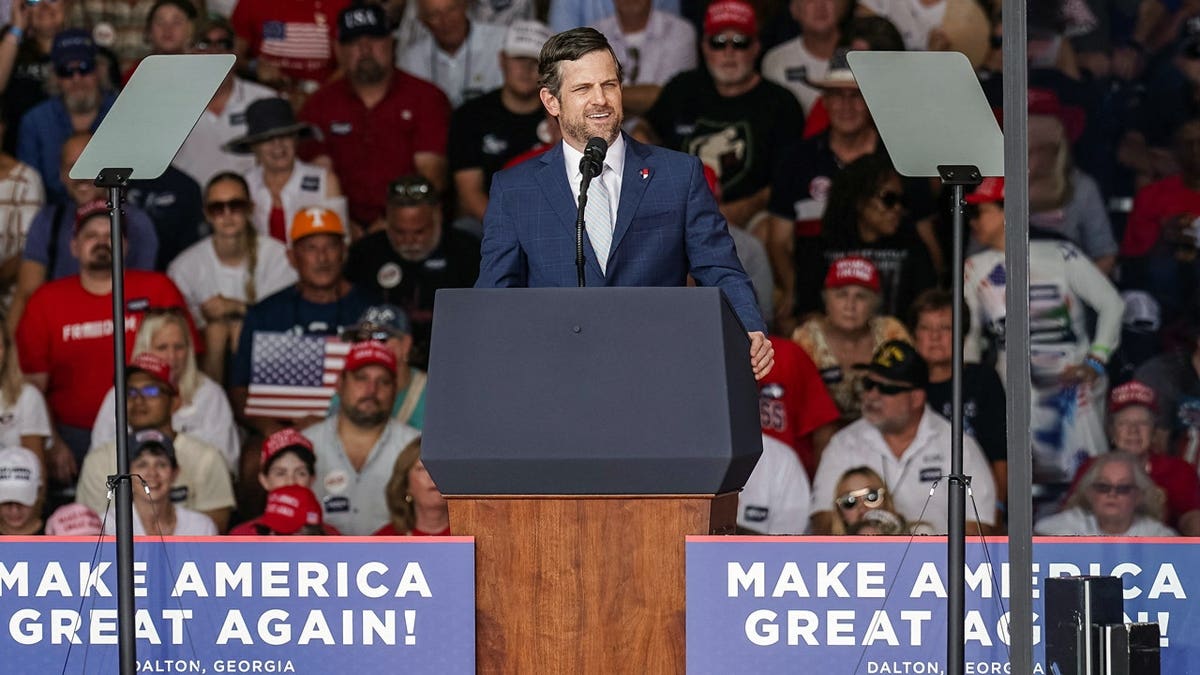
A heated debate over cuts to autism therapy for foster children in Georgia is intensifying at the state Capitol. A 30% reduction in reimbursement for applied behavior analysis (ABA) therapy has sparked opposition from state Sen. Brian Strickland, R-McDonough, families, and providers.
Sen. Strickland, who has a child with autism, is actively advocating for a reversal of the cuts. He, alongside parents and providers, argues these reductions are unjustifiable. Strickland emphasized the importance of ABA therapy, stating it is crucial for both families and Georgia’s foster children. He has also vowed to hold responsible companies accountable if elected state attorney general.
“As a parent of a child with autism, I know what ABA therapy means for a family and Georgia’s foster children, which is why I stood at the Capitol to make clear that these cuts are indefensible,” Strickland stated.
These cuts have been linked to an unintended consequence of the Trump administration’s Medicaid fraud crackdown. Autism advocates fear providers might cease treating foster children. Taylor Sanders of the Autism Families Alliance highlighted the urgency, noting regression in children’s communication and safety skills due to service disruptions.
A significant concern raised is that as many as 75% of clinics may halt services for foster children. Sanders mentioned a particular case of a 3-year-old child who had begun speaking with ABA therapy but whose mother now fears losing this progress.
“For these children and their families, time matters,” said Kelsey Bennett of the Autism Families Alliance. “Every day without critical care risks reversing hard-earned progress.”
Advocates are not only demanding a reconsideration of the cuts but also calling for the involvement of families and clinicians in policy reviews. They believe this approach is more effective than a blanket reduction.
Amerigroup, a Medicaid administrator for Georgia, reported rebalancing reimbursement rates based on service complexity, which affected some technician-delivered services. Rates for licensed clinicians and critical autism services, however, remain unchanged.
Taylor Sanders reiterated that the cuts impact technicians who play a vital role in providing one-on-one care, expressing concerns over clinics potentially closing.
“Progress lost is extremely hard to come back from,” Sanders cautioned. “Reconsider before ripping the rug from families.”
Autism advocates stress the need for a thoughtful approach, involving all stakeholders before making significant policy changes that could affect therapy access for foster children.
Leave a Reply