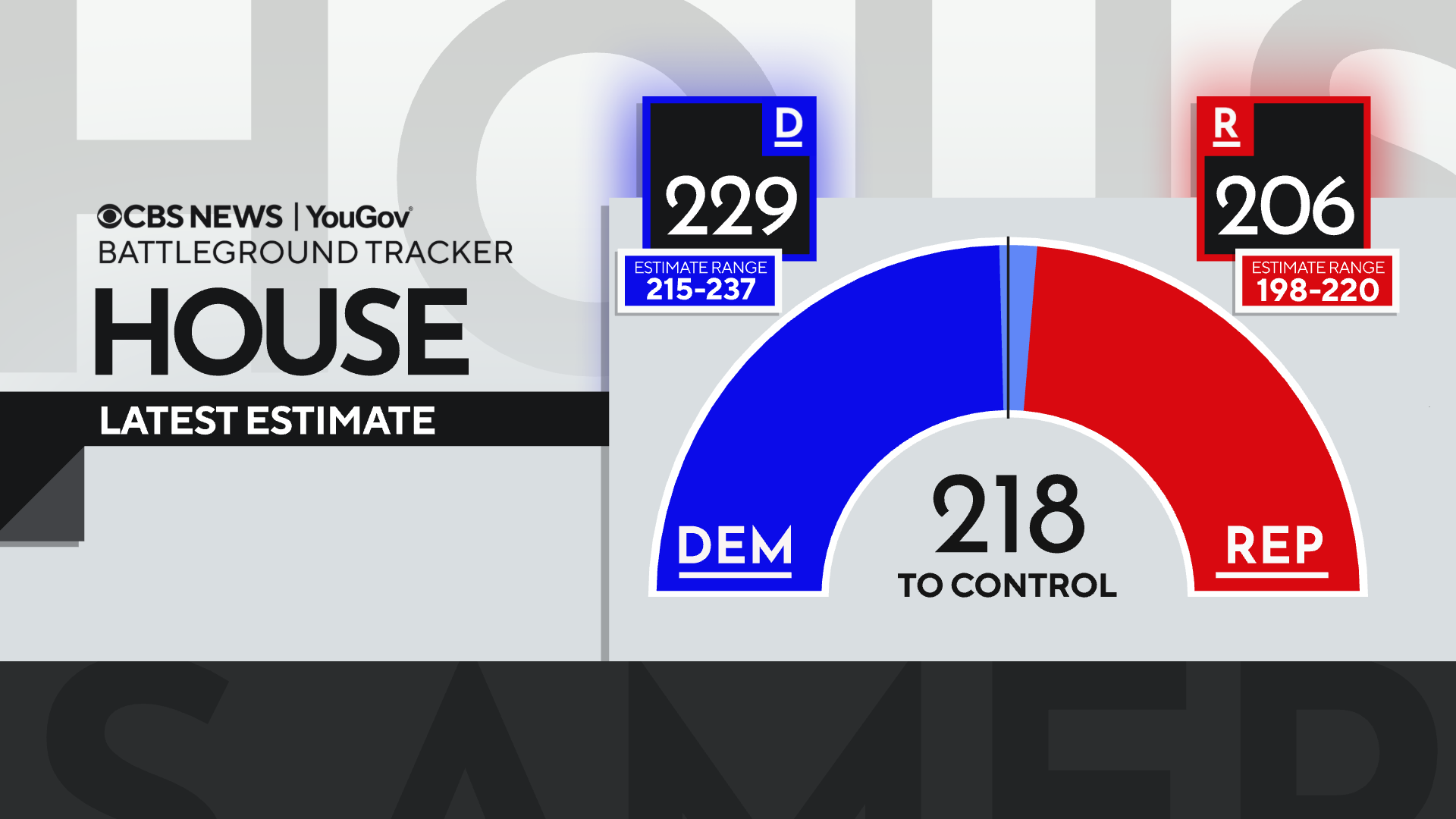
The upcoming 2026 midterm elections are marked by a trend of ‘avoidance,’ with many voters motivated more by what they fear than by potential gains. Amid continued concerns about inflation and the economy, Democrats are currently ahead in the race for a House majority. According to the CBS News House model estimate, Democrats are on track to secure about 229 seats. This model converts voters’ congressional preferences into seat predictions. Although the outcome range could extend into the 230s, Republicans still have a narrow chance to maintain their majority.
Despite the Democrats’ sustained lead over recent weeks, it hasn’t grown significantly. Importantly, undecided voters often lean Republican, making their participation a crucial factor in 2026. Voters frequently describe their motivation as opposition to potential undesirable outcomes. For instance, more people expect gas prices to rise if Republicans win compared to Democrats, although they don’t believe Democrats will lower prices. While most voters doubt Democrats have a concrete plan for economic improvement, they believe Republicans winning could worsen their financial situation.
The role of the presidency remains crucial, as a significant portion of the electorate is likely to vote to either support or oppose the president during these midterms. Many Democratic voters express intent to oppose either President Trump or Republicans, rather than specifically supporting Democratic policies. This sentiment might limit Democrats’ potential gains.
Republicans are similarly motivated, especially those who align with the MAGA ideology. Currently, more Democrats report they will definitely vote, or have already voted early. However, those who say they ‘probably’ or ‘might’ vote are often Republican, which could alter the outcome if they become motivated.
Regardless of which party wins, few voters expect a decrease in gas prices. The Republican Party is increasingly associated with rising gas prices. Despite general cynicism, more voters believe their financial situation will improve under Democratic leadership. Corruption in government remains a mutual concern for both parties. Most voters think corruption would increase if Republicans retain control.
Donald Trump is a significant motivator, especially for Democrats. Over 70% of those backing Democrats do so aiming to oppose Trump. Although Republican supporters also cite Trump, they typically express less intensity. Among Democrats, the opposition is directed more at Trump and GOP policies than advocating for Democratic initiatives.
Views on election control plans are ambiguous; neither party is perceived to have a clear plan for governing. About 40% of Democratic supporters say they lack confidence in their own party’s plan, driven primarily by opposition to Trump. Meanwhile, 40% of Republican voters indicate their votes are not driven by Trump, with many expressing only moderate support for him but notable disapproval of the Democratic Party.
Issues concerning lifestyle threats are prominent. Democrats perceive a Republican victory as a greater threat, while among Republicans, especially MAGA adherents, there is fear of Democratic governance. Although ranking lower in influencing voter decisions, Republicans lead on issues like transgender rights. When it comes to immigration, a third of voters feel Democrats prioritize recent immigrants over U.S. citizens, contributing to strong Republican support.
Overall economic ratings remain negative, influenced by perceptions of the president’s policies. Many voters believe President Biden prioritizes personal and familial financial interests over national interests, driving some to support Democrats. Conversely, many Republicans feel Trump prioritizes the country’s financial interests.
In terms of campaign influence, Trump’s appearances could fortify Republican base support, particularly among MAGA followers. Non-MAGA Republicans, however, show less enthusiasm. Despite occasional doubts, most voters are confident in the integrity of local election administrations and their vote being counted accurately. More Democrats exhibit high confidence compared to Republicans in this regard. Republicans, however, often express skepticism about illegal voting by non-citizens.
This CBS News/YouGov survey engaged 2,355 U.S. adults from October 21 to 23, 2026. The sample was weighted to be nationally representative based on gender, age, race, and education, aligned with U.S. Census data. The margin of error is ±2.6 points overall, ±2.9 points for registered voters, and ±3.0 points for likely voters. These seat estimates, derived from CBS News and YouGov’s statistical model, consider this poll data and historical voting patterns. They are estimates with statistical variability, reported with 95% confidence intervals and may evolve with new data.
David Van Riper contributed to this report.
Leave a Reply