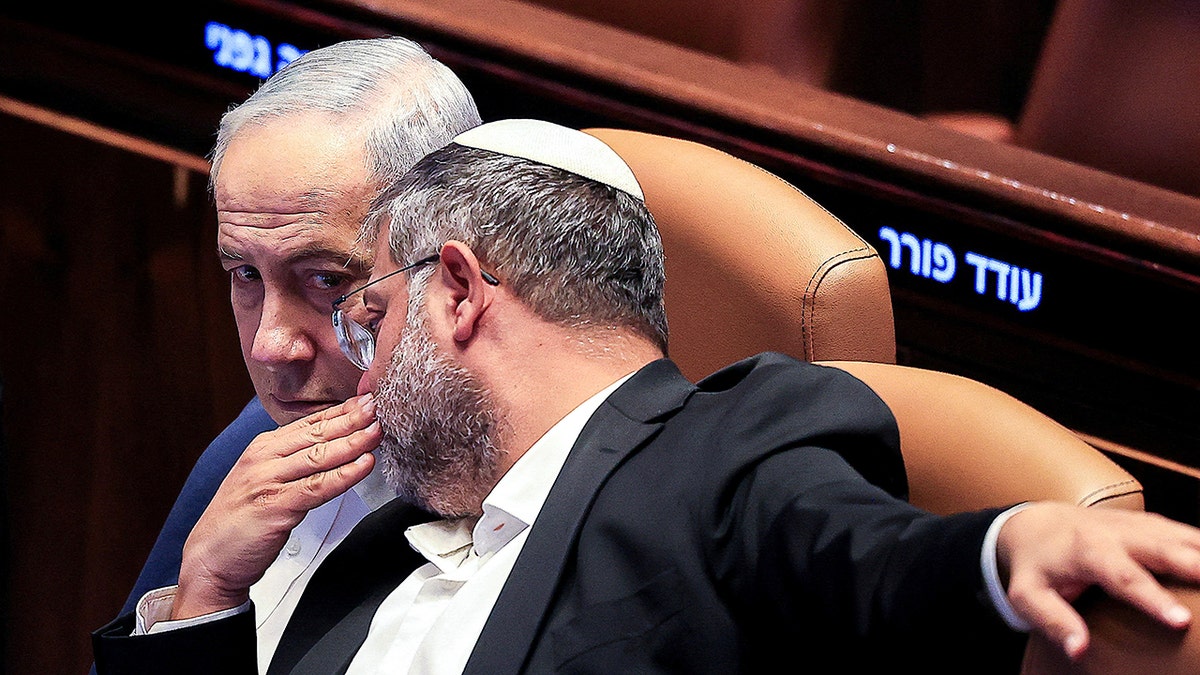
The National Security Minister Itamar Ben-Gvir’s Otzma Yehudit Party is positioned to win between seven and ten seats in Israel’s upcoming Oct. 27 election. This could make Benjamin Netanyahu’s Likud Party reliant on Ben-Gvir’s support, granting him potential senior roles in the government.
Ben-Gvir’s rise is in line with a trend in the West, where parties like Marine Le Pen’s in France and Geert Wilders’ in the Netherlands are gaining influence over traditional conservative parties. As national security minister, Ben-Gvir manages internal security aspects including the Israel Police and the Israel Prison Service.
Yishai Fleisher, a spokesman for the Jewish community of Hebron and a candidate on the Otzma Yehudit list, compares Ben-Gvir to a ‘Texan’ for his law-and-order stance. Fleisher highlights his tough on crime policies, advocating stricter prison conditions and gun rights for self-defense.
Fleisher attributes increasing Islamist extremism and unrest in Europe to mass immigration, something Israel wants to avoid. This fear drives Israeli politicians to support ‘law-and-order’ candidates like Ben-Gvir to prevent internal chaos.
Critics, including former Israeli Ambassador Danny Ayalon, argue that Ben-Gvir’s tenure has damaged Israel’s diplomatic standing, portraying it negatively on the global stage. Ayalon cites Ben-Gvir’s rhetoric as contributing to Israel being seen as a pariah state. Despite not serving in the military, Ben-Gvir has managed to be a controversial yet influential political figure.
Ben-Gvir, who studied law, initially rose to prominence by opposing the Oslo process with the Palestinians. He garnered attention and faced legal challenges for his activism, even receiving advice from former Chief Justice Aharon Barak to study law.
Ayalon criticizes Ben-Gvir’s handling of national security, stating that crime rates have increased under his watch, despite his supposed commitment to restoring law and order in regions like the Negev and Galilee.
In 2007, Ben-Gvir faced convictions for supporting a terrorist organization and inciting racism. His campaign explained that his actions were tied to his youthful nationalist fervor, claiming Ben-Gvir has matured since then.
There have been questions about the alignment between Ben-Gvir and Netanyahu, especially after Ben-Gvir shared media reports suggesting Netanyahu might not reappoint him as national security minister. Netanyahu’s Likud party later affirmed Ben-Gvir’s role as a senior minister, subject to election results.
Fleisher credits Ben-Gvir with significant changes during his term, including expanding civilian firearm ownership and introducing harsher prison conditions. A death-penalty bill, strongly advocated by Otzma Yehudit, was approved by the Knesset, which Ben-Gvir supports as a deterrent against crime.
Polls indicate Netanyahu’s bloc is slightly trailing the opposition, led by Gadi Eisenkot’s Yashar party. The path to achieving a majority of 61 seats for forming a government remains uncertain.
Leave a Reply