Nearly one million individuals were deported from the United States during the initial year and a half of President Trump’s second term. While most returned to their home countries, about 25,000 were sent elsewhere—so-called “third countries.” These are neither the U.S. nor the person’s home country. Cases include Iranians sent to Panama and Cubans to the Central African Republic.
Our five-month investigation revealed individuals sent to places where U.S. immigration judges indicated they might face persecution or torture. Moussa Diawara, who had been a U.S. resident for 25 years without a criminal record, was among them. After his night shift as an Uber driver, U.S. Immigration and Customs Enforcement (ICE) agents arrested him at his home in Houston without granting him access to legal counsel or a judge.
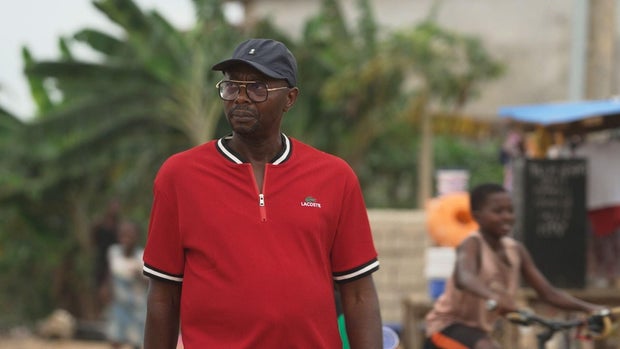
Three weeks later, he was deported to West Africa, where we found him months later. Diawara described the experience as a nightmare, questioning its reality. Diawara had remained in the U.S. after overstaying a tourist visa and sought refugee protection, fearing persecution if returned to Mali.
In 2012, a U.S. immigration judge ruled he could not be deported to Mali, granting him a work permit. However, under the Trump administration’s mass deportation policies, ICE sent 25,000 to third countries that benefit from U.S. aid, such as Ghana.
Upon landing in Ghana on July 31, Diawara claims officials detained him, prohibited communication with his family or lawyer, and eventually forced him onto a flight to Mali. Mali’s security issues and his conversion to Christianity made him feel unsafe.
More than three weeks later, with help from local truckers, he fled to a different African country. Back in Texas, Diawara’s family, U.S. citizens, anxiously awaited his return.
Gianna Toboni, a correspondent, learned that such deportations often occurred despite judges’ protective rulings. Of the 63 individuals on Diawara’s July flight, 17 reported being sent against their will to their home countries, risking persecution or torture.
The Department of Homeland Security defended these deportations for public safety, though it acknowledged clerical errors in Diawara’s records. Immigration attorney Meredyth Yoon argued U.S. officials knew about Ghana’s practices, citing a lawsuit alerting them to violations of international law.
A federal court recently found the Trump’s administration’s policy unlawful for denying due process, but the Supreme Court will rule on this case in December. In the meantime, Diawara’s attorney is pursuing his return to the U.S. as his family continues without him in Texas.
Leave a Reply