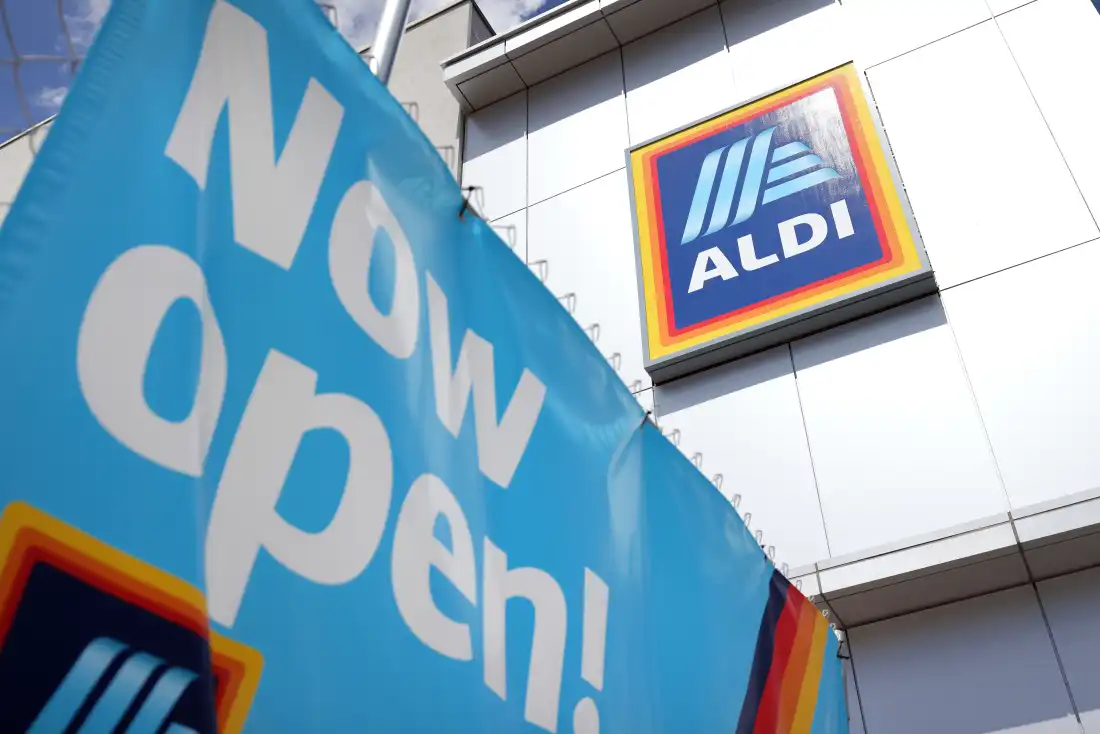
In recent developments, Aldi, the discount grocery chain, has revealed plans to expand by adding over 225 new stores in the U.S. during 2025. This is part of a larger five-year strategy aiming to establish 800 new locations by 2028. This aggressive expansion could make Aldi the second largest grocery chain in America, trailing only Walmart.
My brief experience living near an Aldi in Ithaca, New York, revealed firsthand the chain’s affordability. Despite the store being smaller and less polished, the low prices were beneficial. These characteristics are central to Aldi’s rapid growth as a leading grocery store in the U.S.
In 2024, Aldi generated around $29 billion in U.S. sales, surpassing Trader Joe’s. Known for its competitive pricing, Aldi often matches or even undercuts Walmart, according to comparisons by journalist Deena Shanker. Other grocery stores like Wegmans and Kroger have also reduced prices in response to competition from Aldi and Lidl, another German grocer.
Aldi’s Disruptive Pricing Strategy
Aldi stands out due to its ability to offer prices lower than giant retailers like Walmart and Costco. While these companies rely on enormous stores with economies of scale, Aldi uses a different approach to achieve competitive pricing.
Aldi maintains affordability through rigorous cost-cutting. There is no background music in stores, reducing unnecessary expenses. Products are kept in their shipping boxes on shelves, minimizing the need for extra labor. These methods contribute to Aldi’s efficient operations.
Aldi also employs two main strategies to keep prices low:
- Private Label Products: The majority of Aldi’s products are store brands. These include items like Benton’s Chocolate Sandwich Cookies, akin to Oreos, and Savoritz Golden Round crackers, similar to Ritz. By producing its own brands, Aldi avoids paying for big brand markups, passing savings to consumers.
- Limited Selection: Aldi offers essential items, focusing on fewer product variations. Stocking a limited range allows Aldi to buy in bulk at lower costs, also reducing spoilage and storage expenses. Although this might mean fewer choices, the cost benefits are significant.
Aldi’s Growth During Economic Challenges
Aldi’s strategic advantage became especially evident during the economic downturn following the Great Recession. Affordable groceries were attractive to customers seeking value. Aldi also provides unique shopping experiences with a middle aisle offering unexpected items like toys and specialty foods.
Aldi appeals to a wide range of shoppers by diversifying its product range slightly to include premium options. Customers find value in both the low prices and the unique shopping atmosphere, fostering a loyal customer base.
The Role of Bundling and Unbundling in Aldi’s Strategy
The concept of bundling and unbundling is relevant to Aldi’s operations. Traditionally, supermarkets combined multiple store types under one roof. Later, superstores expanded this idea by blending grocery shopping with other retail experiences.
Conversely, Aldi unbundles its offerings, focusing solely on groceries without extras like electronics or clothing. By positioning stores near competitor locations, Aldi encourages shoppers to split their grocery trips between Aldi and other stores, optimizing convenience and savings.
Aldi navigates a mature grocery market with a fresh approach derived from efficient strategies established decades ago. The success challenges assumptions about the market’s dynamics and the role of technology in disruption.
Reflecting on my time in Ithaca, I now appreciate Aldi’s unique business model. Despite its simplicity, Aldi has crafted an effective approach to grocery retail, adapting it to current market conditions and consumer needs.
Leave a Reply