In 2015, John Boehner stepped down as Speaker of the House, humorously announcing it with a tune, ‘Zip-a-Dee-Doo-Dah.’ In an exit interview before leaving Congress, he expressed his relief, describing Capitol Hill as a ‘lonely place.’ He later candidly told Politico about the challenges he faced when negotiating with President Obama, lacking the assurance of votes from his own party.
Boehner’s successors, Paul Ryan and Kevin McCarthy, encountered their own struggles. Ryan faced threats of removal before Republicans lost their majority in 2018. When Republicans regained control in 2022, McCarthy needed 15 ballots to secure his position as Speaker in 2023. His tenure lasted a mere 269 days, marking the first time a Speaker was removed by a House vote.
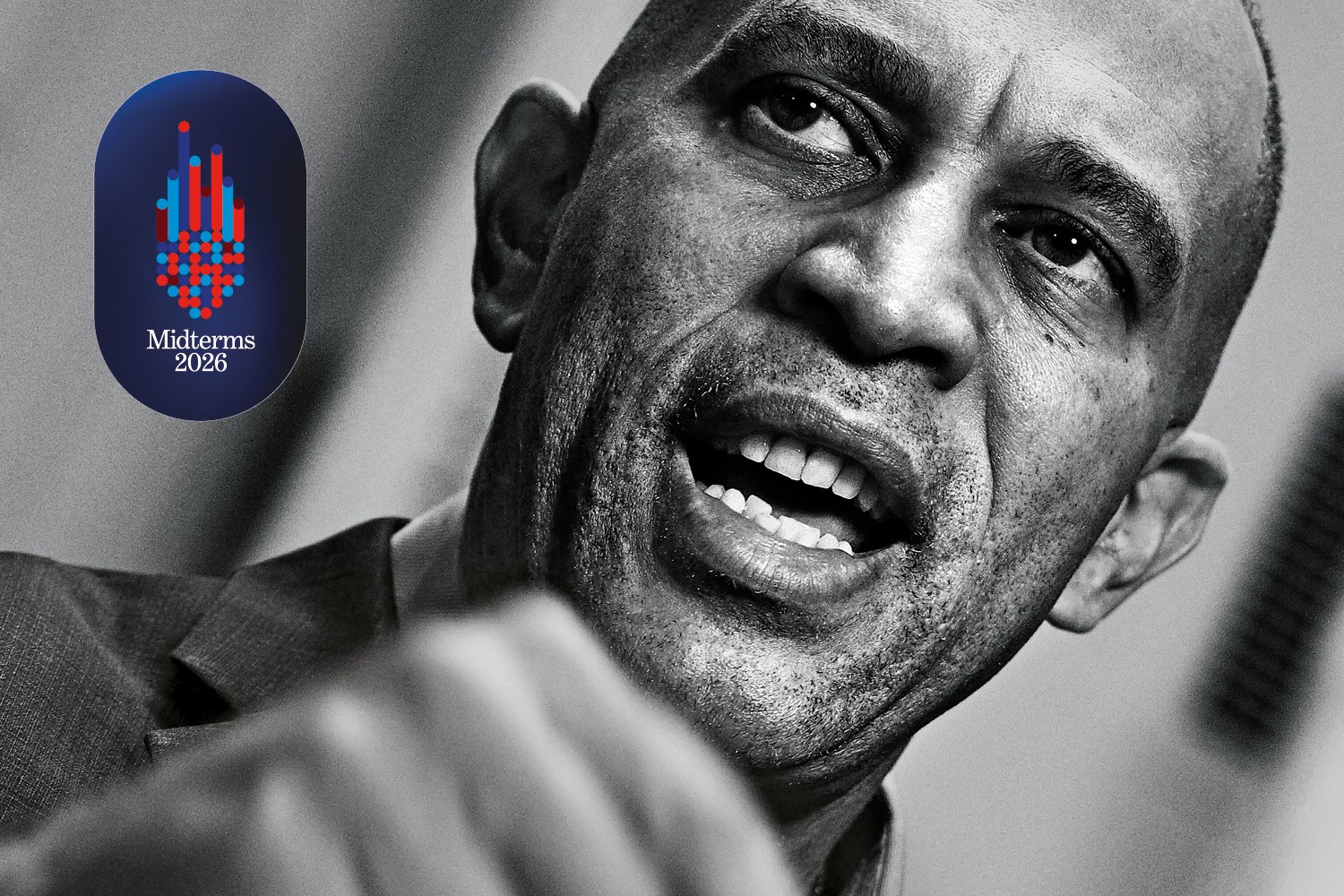
Democratic Leader Hakeem Jeffries observed these events. During McCarthy’s contentious election, Jeffries’ name echoed over 3,000 times as every Democrat voted for him. If Democrats win the projected House majority, Jeffries could become the first Black House Speaker.
Cornel West, a noted philosopher, commented on the potential historical significance of Jeffries holding this position, but warned against using race to overshadow political conviction.
The Republican victory in 2010 led to a significant freshman class fueled by a Tea Party movement wary of establishment Republican leaders as much as Democratic ones. Today, a new Democratic energy is emerging outside Washington, drawing parallels to the past.
The Democratic surge is driven by grassroots community organizers and voters frustrated with both Trump and party leadership. Rep. Jim Clyburn, a mentor to Jeffries, highlights the importance of understanding this dynamic. Jeffries is seen as someone capable of managing party fractures, having managed similar dynamics in Brooklyn politics for decades.
After the Democrats’ loss in 2024, a new wave of political activists rose, calling for systemic reform and showing impatience with traditional party structures. Jeffries, however, carries mixed favorability ratings that reflect broader dissatisfaction with Democrats.
While Jeffries aims to build a broad, inclusive party, he remains tasked with maintaining cohesion amidst ideological divides. The Democratic majority he might inherit could influence his leadership style dramatically.
Despite potential opposition from left-leaning factions in Congress, Jeffries’ tenure as minority leader shows his ability to unify towards common goals. His strategy centers on pragmatic governance over ideological purity.
Brooklyn is home to Jeffries’ political foundation. Raised in Crown Heights, he learned leadership within community and church settings, fostering skills that carried through his education and early political career. After overcoming challenges in local politics, Jeffries proved capable of bridging ideological divides without succumbing to them.
Jeffries’ ability to navigate the emerging political landscape within New York and national politics will be crucial. His leadership may serve both as an example of modern consensus-building and a test of the balance between progress and tradition.
Leave a Reply