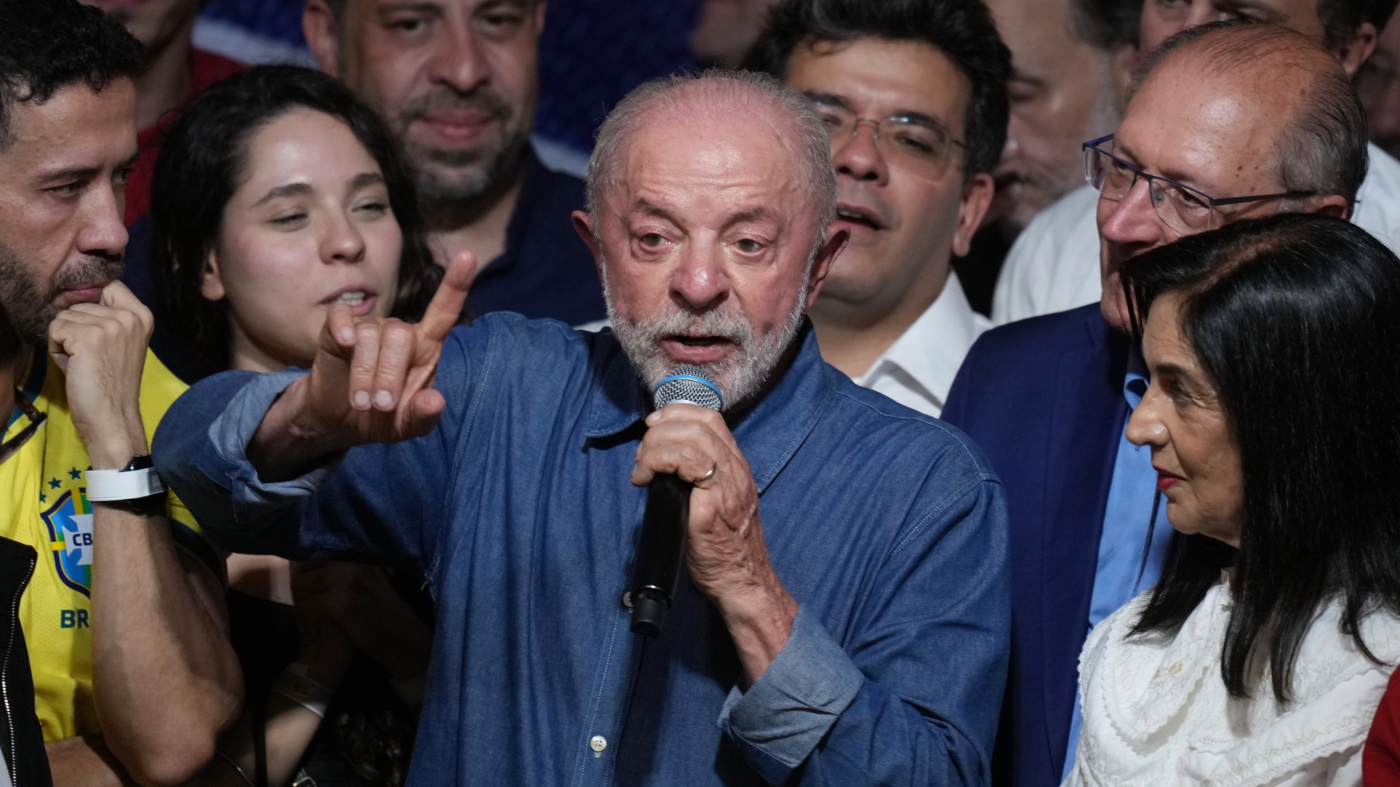
Luiz Inácio Lula da Silva has secured the presidency of Brazil for a fourth term as of October 25, 2026. After an initial setback, Lula made a remarkable recovery in the presidential runoff, winning with 51.8% over his opponent, Flávio Bolsonaro, who garnered 48.2%. This election saw Lula securing a staggering lead of over 4 million votes.
Following his victory, Lula declared that Brazil would not succumb to external influences. Conversely, the next day, President Trump expressed skepticism about the election’s integrity, referring to it as appearing compromised.
Notwithstanding their ideological differences, Lula and Trump have met three times in over a year. Their meetings have been driven by commercial interests. In 2025, trade between the U.S. and Brazil reached $135.7 billion, a 6.5% increase from the previous year. The U.S. holds the position of Brazil’s second-largest trading partner, reflecting the necessity of their relationship despite ideological divergences.
Trump acknowledged, “I’m not running Brazil, I’m running the USA. I like Lula, I get along with him pretty well.” Both leaders come from differing backgrounds; Trump from the private sector and Lula as a labor leader, who has historically been at odds with the private sector.
Lula’s tenure comes with significant challenges. His proposal of a $57 billion expansion targets various social programs, from small business owner debt relief to family subsidies. This ambitious program led to economic instability, with Brazil’s currency dropping 11% against the dollar and a 14% decline in the stock markets.
Despite these challenges, Brazil remains a major democracy in Latin America and holds significant global influence as part of the G20 and the BRICS group. As a strategic player, Brazil’s relationships span both Western democracies and authoritarian regimes.
Lula’s win poses challenges for U.S. policies in Latin America. His connections with China surpass mere trade, marked by military cooperation, such as the arrival of China’s military hospital ship Silk Road Ark and joint naval exercises.
Lula’s administration has welcomed large Chinese firms like electric car maker BYD and telecom giant Huawei, despite espionage allegations against the latter. His stance towards the U.S.-led “Shield of the Americas” security alliance remains distant, and Brazil has not designated certain criminal gangs as terrorist entities.
The election results highlight Brazil’s significant role on the global stage under a leader allied with China, Russia, and Iran, while simultaneously being a vital U.S. trade partner. Negotiations with Brazil will involve managing China’s influence while maintaining essential economic ties.
Leave a Reply