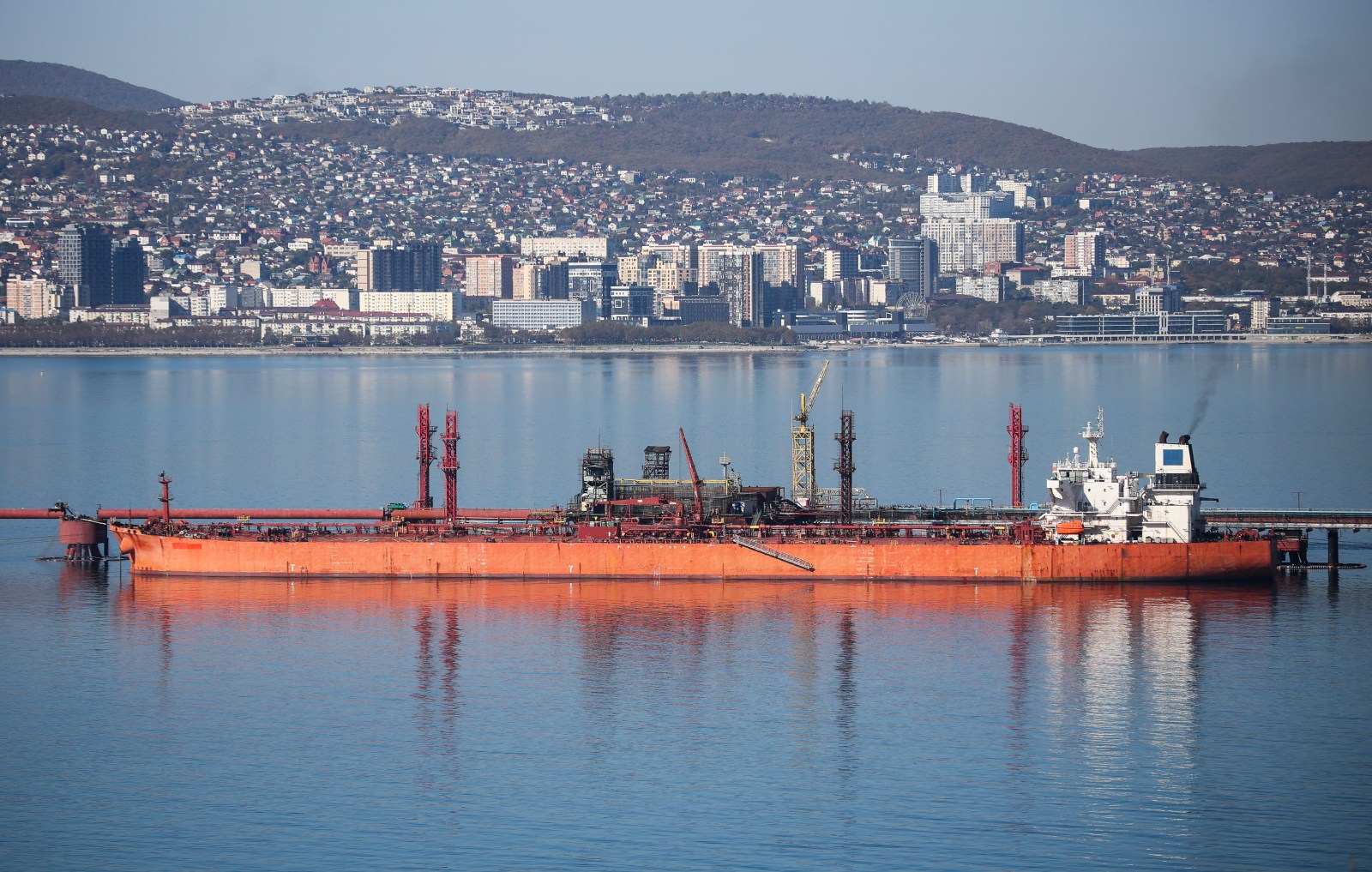
Three tankers carrying Russian diesel fuel are making their way to the U.S. At least two of these vessels reportedly face Western sanctions. President Donald Trump is under scrutiny after agreeing with Russian President Vladimir Putin to resume fuel shipments.
The tankers, identified by maritime intelligence firm Kpler as the Agioi Fanendes, Leruo, and Talisman, departed from Russia’s Baltic port of Primorsk between October 16 and 22. They are expected to arrive on the U.S. East Coast between November 7 and 11, according to AFP vessel-tracking data.
Details of the Tankers and Their Routes
The Agioi Fanendes is reported to be bound for New York, and the other two are headed toward the Atlantic Coast. Combined, the tankers carry 924,000 barrels of diesel, about one-third of the U.S. transportation sector’s daily consumption.
The shipments follow Trump’s recent announcement to allow Russian diesel onto international markets to reduce fuel prices ahead of the November midterm elections. The White House has referred questions to Trump’s previous remarks on the matter.
International and Domestic Reaction
The move has drawn criticism from Ukrainian President Volodymyr Zelensky and members of Trump’s Republican Party. They argue easing restrictions could support Moscow while it continues its conflict in Ukraine.
MarineTraffic data shows the tankers currently in northern European waters. The Malta-flagged Agioi Fanendes loaded 40,000 metric tons of ultra-low-sulfur diesel at Primorsk on October 22. Its destination appears uncertain as it waits off Skagen, Denmark.
The Leruo, a Sierra Leone-flagged tanker, loaded diesel on October 16. Sanctioned by the UK, Canada, and the EU last year, it faces accusations of masking its location and making ship-to-ship transfers. Its destination is listed as the Atlantic Coast, arriving around November 11.
The Talisman is carrying Russian diesel to the U.S. It also faces U.S. and EU sanctions. Its arrival is expected around November 9. The involvement of sanctioned vessels raises concerns about the legalities surrounding shipments and U.S. authorization for these imports.
The Trump-Putin Diesel Agreement
On October 9, Trump announced the deal following talks with Putin. Russia agreed to supply diesel to both U.S. and global markets. Trump aimed to curb fuel prices for American farmers, ranchers, and truckers before the midterms, planning initial shipments of over 300,000 metric tons, followed by 500,000 metric tons in November.
The U.S. Treasury’s temporary six-month authorization allows some Russian diesel to reach the U.S. The exemption extends through April 2027. Meanwhile, Russia has restricted its exports due to domestic supply pressures and refining issues.
Russian Deputy Prime Minister Alexander Novak stated on October 24 that three tankers were underway to the eastern Atlantic coast, with a fourth expected soon. The Kremlin considers this the start of more deliveries. However, the extent and timing of further exports remain unclear.
Reactions from Ukraine
Ukraine has condemned the agreement. Zelensky criticized easing sanctions as weak and warned it could prolong Russia’s war against Ukraine. He argued it allows Russia to increase export revenues, undermining international pressure to end the war.
Trump, however, blamed Ukrainian attacks on Russian oil refineries for pressuring fuel supplies and prices. On October 10, Trump suggested replacing Zelensky with a leader open to negotiating with Russia, adding tension to their relationship.
Republican Opposition
Washington has seen pushback from the GOP. On October 11, Republican Senator Thom Tillis expressed concern over legality. Bipartisan senators called for reversing the deal, claiming it could enrich the Kremlin without aiding American consumers.
Critics argue the administration lacks authority to alter or remove Congressional sanctions. Defending the move, the administration cited efforts to manage fuel prices and pressure Ukraine for peace negotiations.
Well, I think these are Republicans that can’t really be serious,
Trump stated, dismissing GOP criticism. He warned broader market impacts if the U.S. restricted oil exports or reserved diesel supplies for domestic use.
The full effect on U.S. diesel prices remains uncertain. Analysts question if redirecting these shipments will sufficiently increase global supply or merely reroute existing exports.
Contact Newsweek editors on this story: Tobias Meyjes and Dave Siminoff.
Leave a Reply