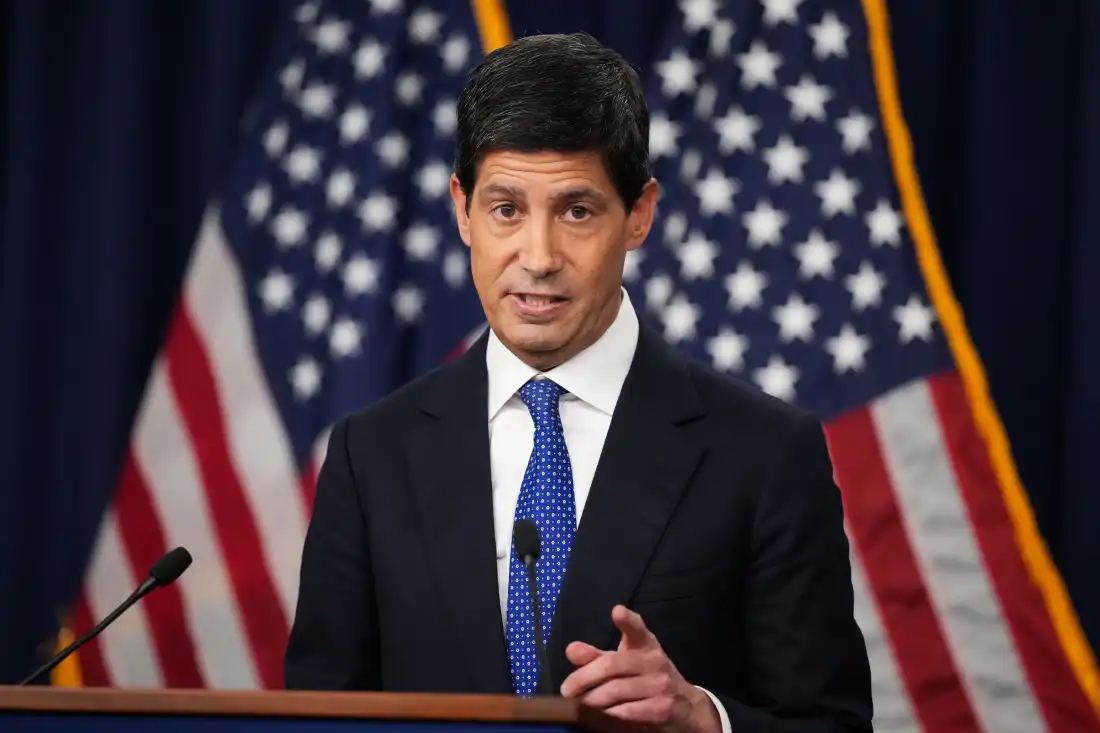
The Federal Reserve, led by Chairman Kevin Warsh, voted to maintain its benchmark interest rate on Wednesday. This decision follows a rate increase in September aimed at curbing persistent inflation. The Fed’s announcement indicated continued efforts to stabilize prices, despite recent energy price hikes attributed to the U.S. war with Iran.
The central bank acknowledged that, “Inflation remains elevated,” in its statement. In September, the Fed increased rates for the first time in over three years, in response to an annual inflation rate of 3.7% — an acceleration from the previous month. Dan North, a senior economist at Allianz Trade, described the ongoing upward trend in inflation as concerning.
The decision to hold rates steady comes just days before the midterm elections, a factor that may have influenced the Fed’s cautious stance. North noted the suspicion that could arise from an interest rate hike ahead of the elections.
Potential December Rate Hike
Looking ahead, many expect the Fed to raise its benchmark interest rate in December to help control inflation and manage demand. While the majority of the Fed’s rate-setting committee opted against a rate increase this week, two members — Fed Governor Lisa Cook and Beth Hammack of the Cleveland Federal Reserve Bank — voted for a quarter percentage point hike.
The Federal Reserve’s current benchmark rate is between 3.75% to 4%. This rate influences the cost of short-term loans, such as credit cards, while the bond market typically sets longer-term interest rates. Mortgage rates recently reached a three-year high of 7.4%, which has negatively impacted the housing market that has been struggling for the past four years.
A.I. Industry and Consumer Spending
Some sectors remain unaffected by rising interest rates. The artificial intelligence industry continues to grow rapidly, with investments in A.I. data centers driving up costs for construction materials and electronic equipment. North explained that companies in this sector remain undeterred by interest rate fluctuations.
Although consumer spending remains strong, it largely benefits from higher-income shoppers taking advantage of a rising stock market. This is not the case for lower-income families, who are struggling as wages, which increased by only 3% over the past year, fail to keep pace with living costs. Mark Zandi, chief economist at Moody’s Analytics, pointed out the financial strain on middle and lower-income Americans, noting that their purchasing power is diminishing.
Leave a Reply