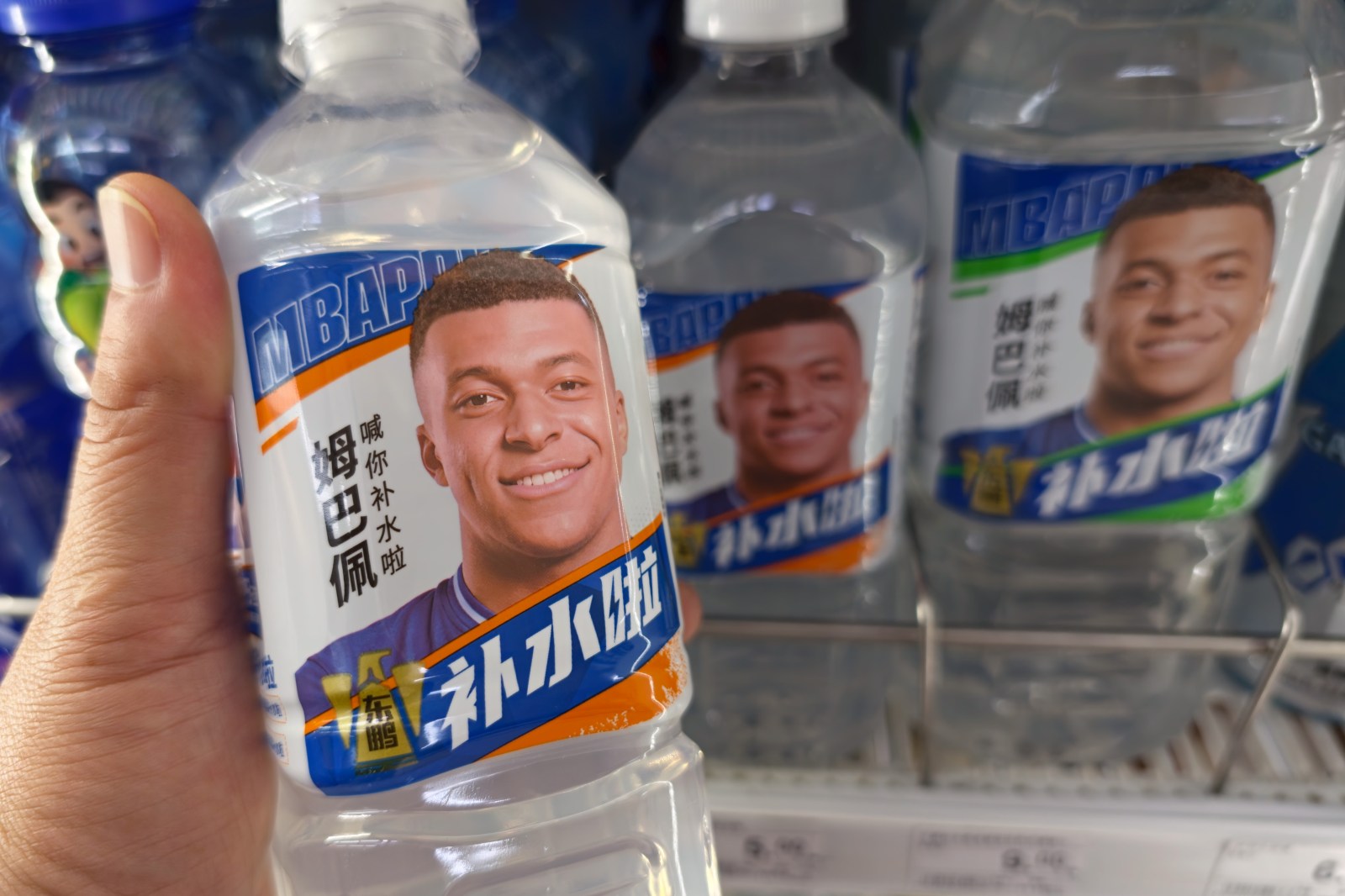
Mbappé’s Remark Sparks Controversy
Recently, French soccer player Kylian Mbappé and his club, Real Madrid, faced backlash from China. They apologized for offending Chinese sentiments with a statement linked to China’s revolutionary leader Mao Zedong. Mbappé had inadvertently insulted Mao by failing to remember his name, describing a favorite meme with his face on the body of a “Chinese dictator.”
Significance of Mao’s Legacy
China’s reaction highlighted the lingering complexity of Mao’s legacy over 50 years after his death. This incident also underscored China’s influence over Western markets and the ongoing struggle for free speech.
Financial Implications
Cancellation of several brand deals marked the immediate financial repercussions for Mbappé. broadcasts of Real Madrid matches and La Liga were suspended by China’s state television group, affecting the club and league financially. Estimates warn that Mbappé could lose over $100 million if the Chinese market remains closed.
This financial pressure extends to La Liga, which relies significantly on revenue from international markets, including China. With nearly half of its revenue from media rights sales coming from these markets, Chinese backlash poses a serious threat.
Apologies and Responses
Within 24 hours, Mbappé issued an apology. Similar statements were made by the Spanish league and Real Madrid. A Chinese government spokesperson acknowledged the apology though did not indicate a timeline for resuming brand deals and broadcasts.
Historical Context of China’s Sensitivities
Mbappé is not the first celebrity to face consequences over China’s political sensitivities. John Cena, James Harden, and Marriott International have all apologized previously. These incidents reveal the extensive influence of Chinese economic interests in the West.
The Streisand Effect
The controversy surrounding Mbappé’s comment was magnified by the Streisand Effect after a Chinese forum criticized the remark. Despite censorship barriers, Chinese citizens sought information on VPNs, inadvertently igniting debates over Mao’s historical role.
Public Perception and Impact
State mediums reported Mbappé’s offense vaguely, causing confusion on social media platforms like Weibo. Many users did not know the details and engaged in conversation about Mao’s historical actions.
Outcome of the Incident
China’s stringent control over public discourse underscores its prioritization of curbing unapproved narratives. While some hoped for a constructive narrative on Mao, the prevailing choice remains silence. With its controlled narrative, China’s position as a dominant force in the global market endures.
Leave a Reply