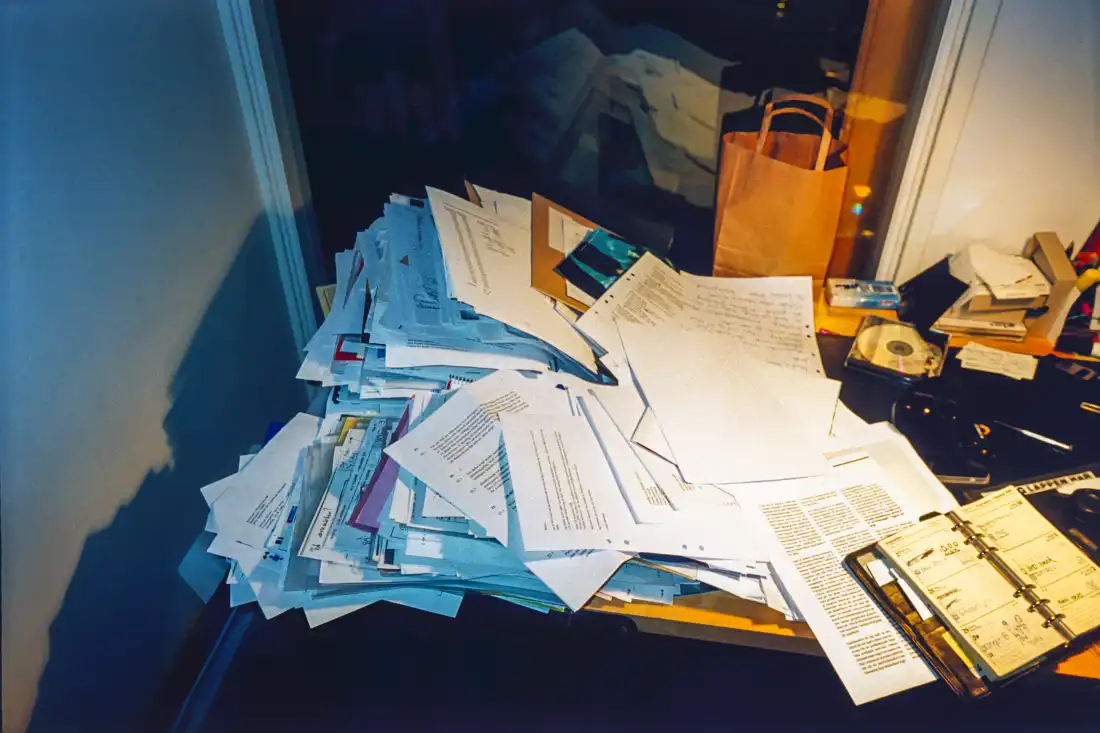
Have you got piles of mail accumulating in your kitchen or a closet overflowing with old documents? Perhaps you’re feeling overwhelmed by the task of organizing your paperwork. Kacy Paide, an experienced professional organizer specializing in paper clutter, provides practical advice to manage this challenge. She emphasizes that you’re in control of the process and can tackle it at your own pace.
Start with Immediate Concerns
Begin your sorting process with the papers nearest to you, like those on your desk or dining table, rather than those stored in the garage or office closet. Paide advises separating documents into two categories: active and inactive. Active documents need follow-up actions, such as calls or bill payments. Inactive documents include items like receipts or sentimental keepsakes, which you can file away for later examination.
Assign Clear Deadlines
To manage active documents effectively, Paide suggests boldly writing due dates on sticky notes with a permanent marker and attaching them to relevant documents. Be specific with deadlines for clarity, using phrases like ‘due by Nov. 15’ or ‘start no later than Dec. 1’.
Create a Personalized Filing System
Storing important documents, such as birth certificates and medical records, can be customized according to your preference. You might use an alphabetized, color-coded, or labeled system. Paide recommends using brightly colored folders for significant items like passports, making them easy to locate. These folders should bookend your filing system for easy access.
Simple file folders labeled with sticky notes and permanent markers are practical for organization. These can be reused as your sorting approach evolves. Additionally, aesthetically pleasing file boxes can be positioned on bookshelves, adding to the visual appeal.
Discard Unnecessary Documents
Not all paperwork needs to occupy space in your drawers. Consider under what circumstances a document might be needed before deciding its fate. While not everything requires shredding, the Federal Trade Commission advises destroying documents containing sensitive information like account numbers or Social Security numbers.
For sentimental or difficult items, seeking assistance from a family member or friend can be beneficial. Discussing your thoughts on each piece often leads to swift decisions about keeping or discarding them.
Maintain and Evolve
Organizing doesn’t have to be a mass decluttering event. Start small, dedicating time incrementally—perhaps 25 minutes at a time. Remember, organization is an ongoing process requiring regular updates and maintenance.
Leave a Reply