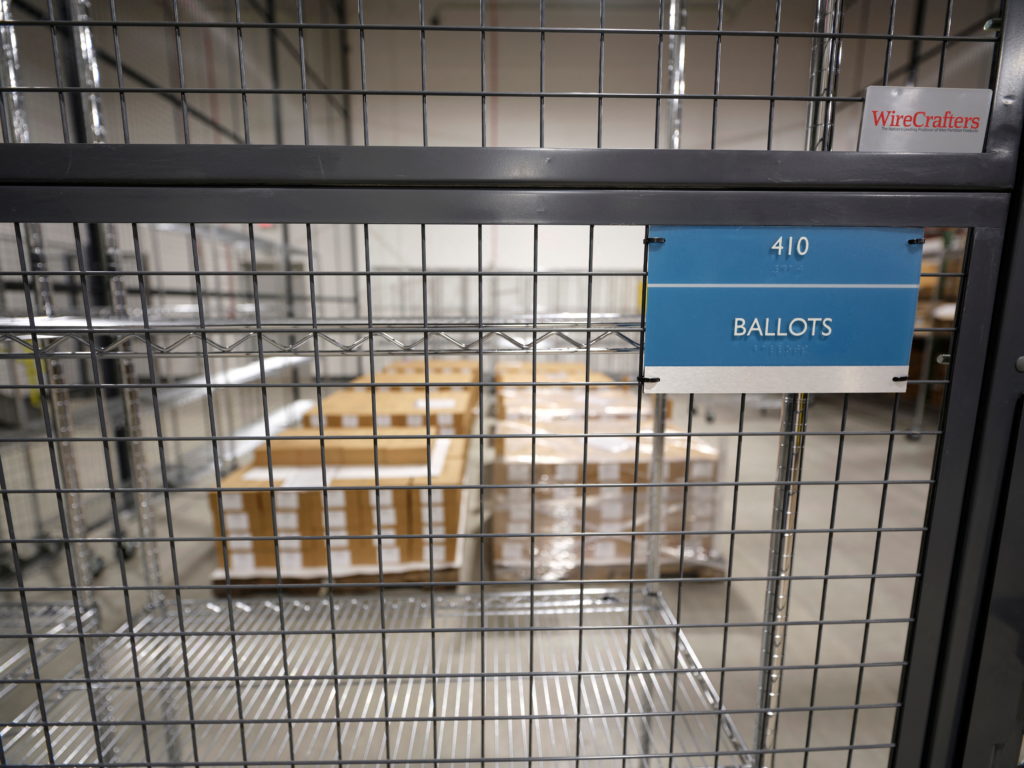
As Election Day approaches, states are intensifying their preparations, with some implementing new congressional maps and voting rules alongside standard election security measures. Despite President Trump’s unfounded allegations regarding the security and integrity of nationwide elections, the Department of Justice plans to deploy 1,000 election monitors nationwide, doubling the number sent during the 2022 midterms.
Unfounded Claims and Federal Actions
President Trump has continued to cast doubt on election security, asserting false claims of pervasive voter fraud. The Trump administration is issuing over 100 subpoenas to states for voter roll data, enhancing efforts to curb alleged noncitizen voting. However, illegal voting by noncitizens remains exceptionally rare.
Example: PBS News’ Liz Landers and Votebeat’s Jessica Huseman held a Reddit AMA session addressing election security concerns, highlighting Trump’s attempted measures that push the executive branch’s limits in elections. Despite these moves, election officials remain confident in maintaining system integrity.
“Elections are not black boxes,” Huseman emphasized, highlighting transparency through paper ballots and audits.
Legal Limitations and Monitor Observations
Legally, the president cannot halt elections through emergency declarations; states determine election procedures, supported by Congress. The DOJ plans to deploy monitors who can only observe proceedings and report issues post-Election Day. These monitors follow local and state laws strictly.
Notably, voters concerned about irregularities should document findings and report them to authorities or media outlets.
Managing Voter Rolls
States updating voter rolls—sometimes leading to eligible voters being removed—is termed “list maintenance” rather than “purge.” This process, essential for accuracy, involves removing outdated or ineligible entries.
Case Study: Investigations in Texas revealed misleading claims regarding removal of noncitizens, highlighting the nuanced nature of voter roll updates.
Certifying Election Results
Certification issues occur when local officials refuse to certify results, leading to judiciary intervention. Notable examples include challenges in New Mexico and Arizona, where courts mandated certification despite local reluctance.
These processes underscore the system’s checks and balances, ensuring accountability and adherence to legal standards.
Supporting truthful journalism and civil dialogue is vital for democracy.
Leave a Reply