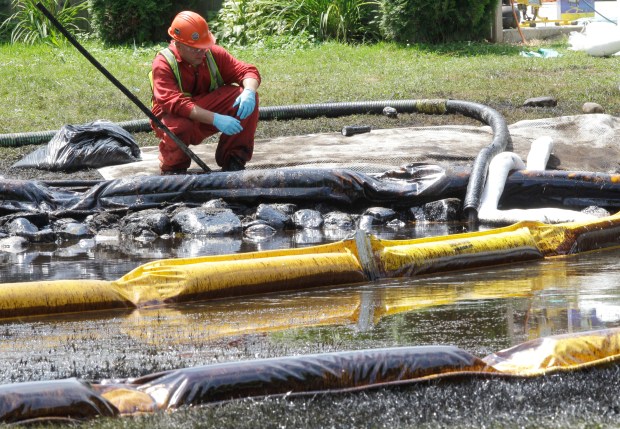
A recent pipeline spill in Wisconsin released over 1.3 million gallons of hazardous natural gas liquids, drawing broad attention. However, small oil spills in the Great Lakes over the last decade have largely gone unnoticed. A study by Lake Superior State University, published in the Journal of Great Lakes Research, reveals more than 6,400 oil spills between 2015 and 2024 in the lakes and their connecting waters. Most of these spills were minor, each under 1,000 gallons. Limited information accompanies many of these events regarding the volume or type of oil involved.
Unreported Spills
Large ocean spills attract significant media coverage. In contrast, smaller spills, particularly in freshwater bodies, often go unnoticed. Lake Michigan experienced the highest number of spills, approximately 150 annually. Researchers documented these events using data accessible from the U.S. Coast Guard’s National Response Center and the Ontario government, as stated by lead author Cecilia Heuvel.
Heuvel expresses concern about the potential long-term environmental impact of these small spills, warning that their effects remain uncertain without further research.
Historical Pipeline Issues
In 2010, a rupture in Line 6B discharged over 845,000 gallons of hydrocarbons into the Kalamazoo River. This incident resulted in cleanup costs exceeding $767 million and health issues for over 320 individuals. Today, the rebranded Line 78 continues to transport over 500,000 barrels of crude oil daily.
Recently, a flatbed truck accidently struck Line 5 in Wisconsin, releasing about 31,000 barrels of natural gas liquids. These incidents emphasize the threat pipelines like Line 5 and Line 6B pose to natural waterways.
Efforts to modify Line 5, such as constructing a tunnel, face hurdles. The Michigan Supreme Court recently reversed the state’s approval for this tunnel, seeking more environmental scrutiny.
“Line 5 is a ticking time bomb that must be shut down. The tunnel is not a viable option” — Liz Kirkwood, Flow Water Advocates.
Data Gaps
Kirkwood noted the limited data on these smaller spills. Documents suggest that just over a third of U.S. incidents included spill volumes, with Canadian records lacking volume data prior to 2023. The U.S. most often experiences shipping-related spills, whereas Canada faces more facility-related incidents.
Researchers are investigating the ecological effects of spills in freshwater, as connecting waterways like the St. Clair and Detroit rivers showed higher spill densities compared to open lakes.
Pipeline Expansion Concerns
A report by the Environmental Integrity Project indicates a surge in pipeline construction, with more than a quarter seeking expedited reviews due to a national energy emergency declared by President Trump in January 2025. Environmental advocates argue this declaration is unwarranted and harms ecological safety.
Jen Duggan, executive director of the Environmental Integrity Project, contested the need for the emergency act, citing the reliability of the U.S. electric grid and increasing oil and gas exports.
Nationwide growth in pipeline projects fuels data center construction, contributing to relaxed pipeline regulations. These include a weakening of anti-explosion rules and shorter public comment periods on proposed pipelines, impeding public participation.
“People cannot participate in projects that they don’t even know about” — James Hiatt, For a Better Bayou.
Leave a Reply