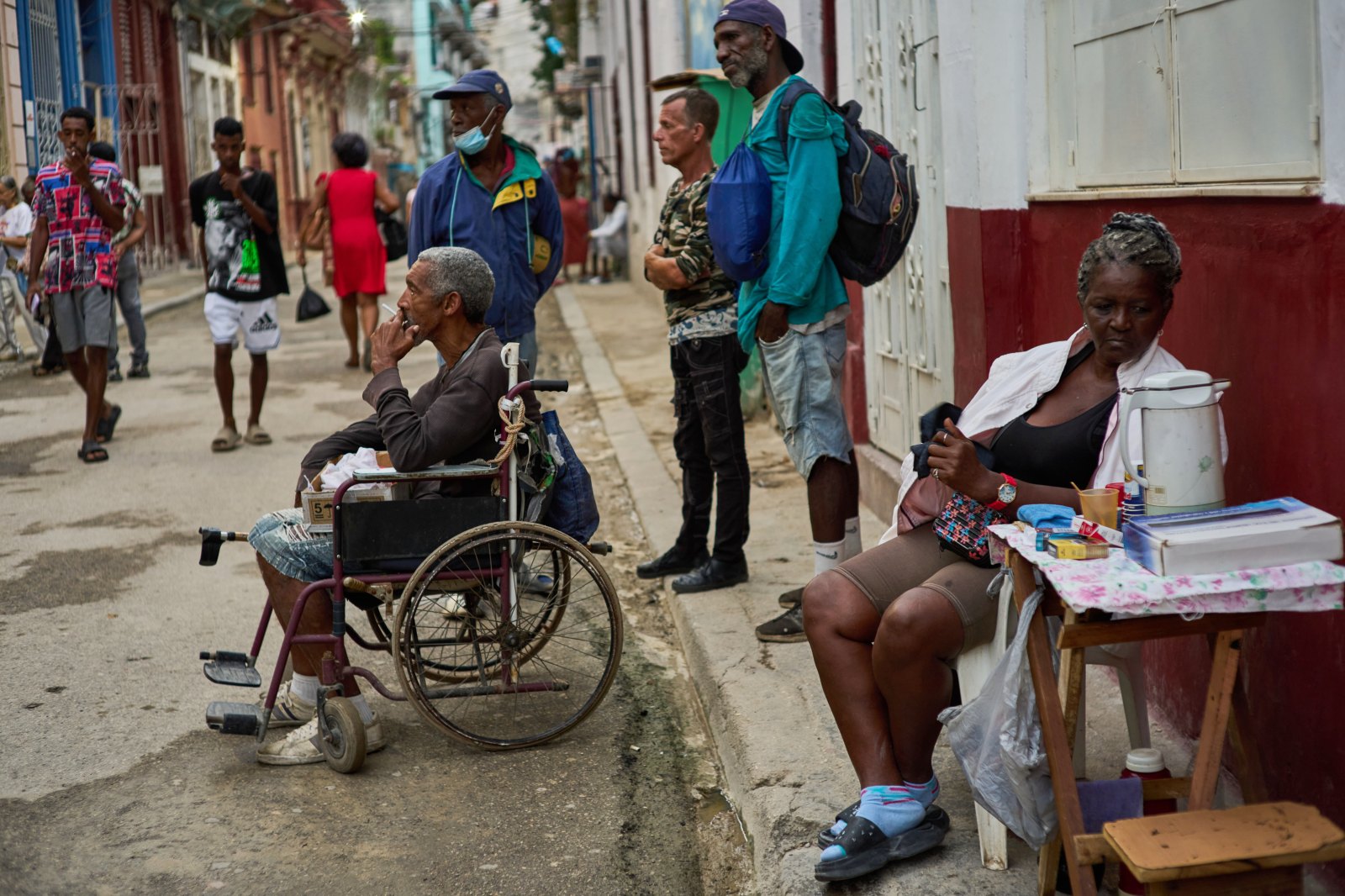
The notion of time travel remains unfounded, yet visiting Cuba provides a sense of stepping back in time. For over six decades, the U.S. has imposed an economic embargo on Cuba, a mere 90 miles from its shores. The objective has been to pressure Cuba’s communist leadership to yield. Despite the effort, Cuba’s rulers remain unchanged while the pressures on daily life for Cubans intensify.
In January, a significant event unfolded when Venezuelan President Nicolás Maduro and his wife were apprehended during a U.S. military operation. This move rapidly thawed tensions between the U.S. and Venezuela. Subsequently, Venezuela’s oil fields fell under U.S. control. The White House signaled that Cuba could be the next target in President Donald Trump’s strategic agenda. However, a shift in focus to another conflict zone failed to advance policy shifts towards Cuba.
The U.S. Approach to Cuba
Under President Trump, economic pressure on Cuba has intensified, starting with a halt in Venezuelan oil shipments and extending to sanctions on Cuban officials and foreign businesses involved with the island. The consequences have been severe, with frequent blackouts disrupting Cuban life. Politically, there seems little change—a situation compounded by the redirection of U.S. military resources due to other global conflicts.
Christopher Hernandez-Roy from the Center for Strategic and International Studies noted that recent military engagements influenced U.S. priorities around Cuba, making immediate military action politically fraught. Meanwhile, President Trump and other politicians believe in an eventual triumph over Cuba, with promises of negotiations to follow military activities elsewhere.
Political Strategies and Perspectives
Secretary of State Marco Rubio has envisioned a long-term strategy, seeking gradual economic and political reforms by 2028. Rubio’s commitment to Cuban issues reflects a personal and political intent to see Cuba transition from its current governance model. Although some factions demand immediate military action, Rubio advises strategic patience.
Michael Bustamante from the University of Miami points out that Rubio’s approach unsettles some supporters eager for swift action. Still, Rubio views economic restrictions as a means to weaken the regime’s hold.
Challenges in U.S.-Cuba Dynamics
The U.S. faces a complex scenario with Cuba, different from Venezuela’s situation. The differences lie in Cuba’s solid single-party rule and lack of an organized opposition unlike Venezuela, where political pluralism allowed some opposition activity. Removing current Cuban leaders may not guarantee cooperative replacements, as the entrenched political and military elite dominate governance.
Attempts at negotiation with key figures in Cuba have led to economic reforms but fall short of the political changes the U.S. desires. Experts like Sebastián Arcos underscore the Cuban regime’s priority of maintaining absolute power over governance reforms acceptable to the U.S.
The Cuban Reality and Future Prospects
Cuba’s resilience is evident, having endured both Soviet Union’s collapse and stringent U.S. sanctions. The current U.S. administration’s tougher stance has worsened conditions for Cubans already grappling with economic hardships and resource scarcity. Hernandez-Roy warns that worsening humanitarian conditions may shift blame onto U.S. policies rather than Cuba’s governance failures.
A diplomatic victory for the U.S. might involve Cuba accepting economic freedom and collaboration, contrasted with the deeper political transformations sought by Rubio and some Cuban-Americans. While Washington proponents differ in their vision of success, Cuba’s government remains steadfast yet economically vulnerable.
As of late, no major shifts favor either side. The U.S. has slightly weakened global support for lifting the Cuban embargo, hinting at continued diplomatic efforts. Both Cuba and the U.S. find themselves in a prolonged standoff, with ordinary Cubans bearing the brunt of the unresolved geopolitical contest.
Leave a Reply