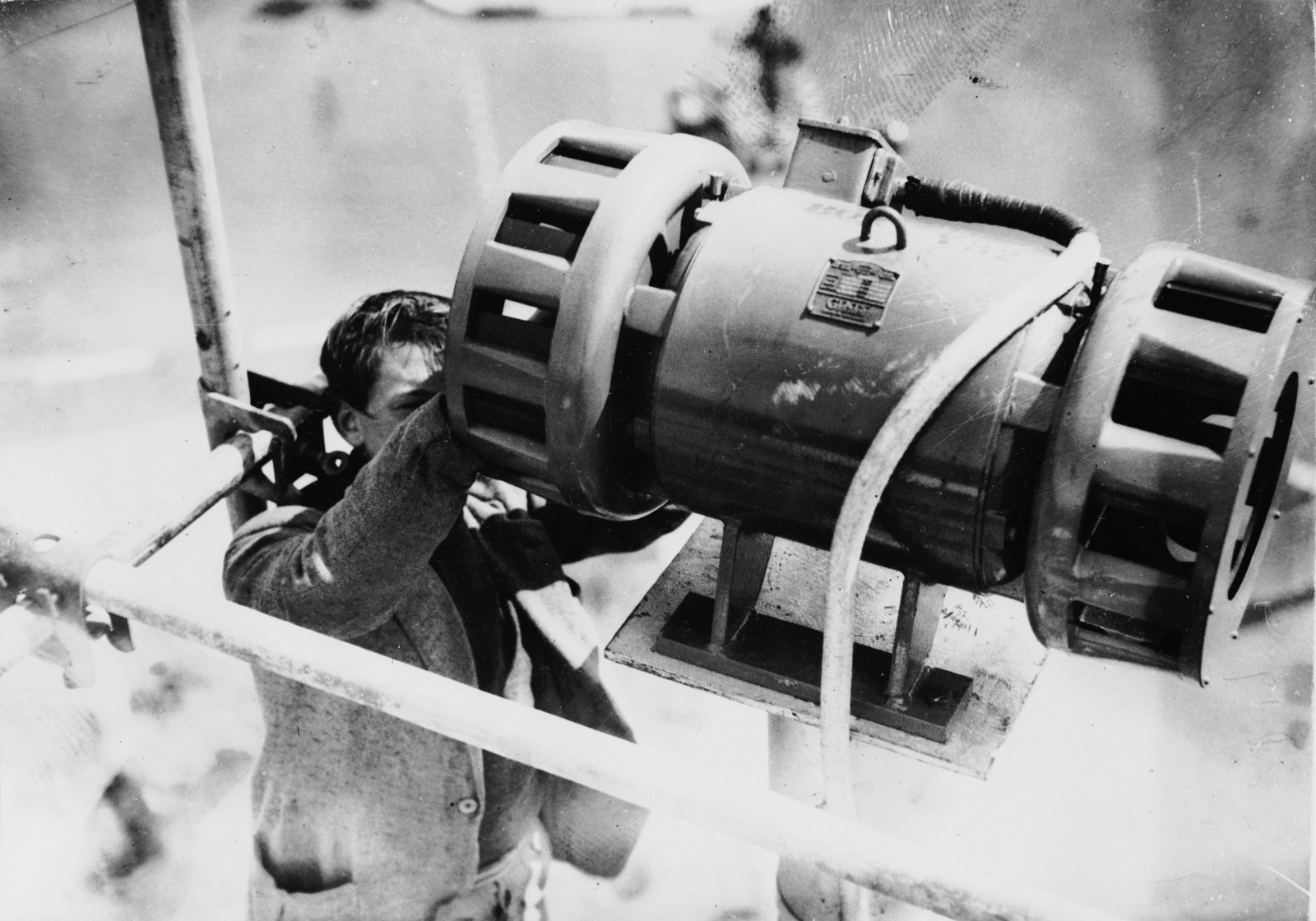
During World War II, Nazi Germany’s Luftwaffe initiated a relentless bombing campaign against the United Kingdom. Starting on September 7, 1940, London faced bombs for 57 straight nights. These attacks persisted across Britain until May 1941. Though Britain couldn’t stop the German bombs directly, air-raid sirens warned citizens of impending danger.
In today’s conflict between Russia and Ukraine, civilians aren’t as fortunate. Recently, users of Ukraine’s air-alert app experienced false warnings. Messages claiming radiation and chemical threats appeared; one alarming alert involved Russia’s Oreshnik ballistic missile with a supposed nuclear strike.
The independent alert-monitoring service alerts.in.ua identified 122 fake alerts within seven minutes, including 103 air-raid warnings, after hackers breached the app.
Over 6.6 million people in Ukraine depend on these alerts daily for advance warnings of potentially deadly Russian attacks.
The false warnings spread further through third-party services using official data. Some loudspeakers in Western Ukraine’s Lviv region broadcasted a fake radiation alert.
Russia faced a similar incident. At 2:45 a.m. Moscow time on Monday, Russia’s Emergency Situations Ministry app users received alerts about nuclear warheads targeting various regions. They were urged to stockpile food and seek shelter, with similar alerts on Telegram and MAX, Russia’s state-backed messaging app.
The attackers are unknown, and any connection between incidents remains unclear. Yet, these actions hint at a newer, more troubling dimension of modern warfare. Tampering with civilian warning systems involves a unique form of cruelty. Unlike military communication, civilian alerts aim to help defenseless citizens avoid fatal threats.
Accuracy is crucial. Even during World War II, Britain’s analogue air-raid sirens occasionally responded to nonexistent threats. Although false alarms were frustrating, they did not destroy trust in the system. During the Blitz, Londoners didn’t worry about hackers manipulating sirens or issuing false all-clear messages.
Knowing an enemy can manipulate alerts changes everything. Bogus alerts terrorize and demoralize populations, adding chaos to already difficult lives, and eroding trust in protection systems. If repeated breaches make warnings unreliable, civilians might ignore genuine threats. This psychological warfare could lead to dangerous consequences.
After such attacks, authorities must act. Ukraine’s air-alert system wrote on Telegram, Unauthorized persons interfered with the application. We have disabled push notifications and temporarily suspended the application.
At 10:54 p.m., alerts.in.ua suffered a denial-of-service attack. It took over an hour to verify true alerts against fake ones before removing those placed by hackers. Another service, eTryvoga, paused air-raid alerts, resuming notifications at 12:15 a.m. The main alert app partially returned to service overnight but lacked a real-time map for hours, increasing vulnerability to actual attacks.
Both sides increase air bombardments across borders. Over 7,700 air-raid alarms occurred in Ukraine from July 1 to September 24, a 27% rise compared to the same timeframe earlier in the year.
During the Blitz, Londoners dreaded the air-raid siren due to potential incoming bombs. Now, civilians must also consider if the warning itself might be part of an assault.
Leave a Reply