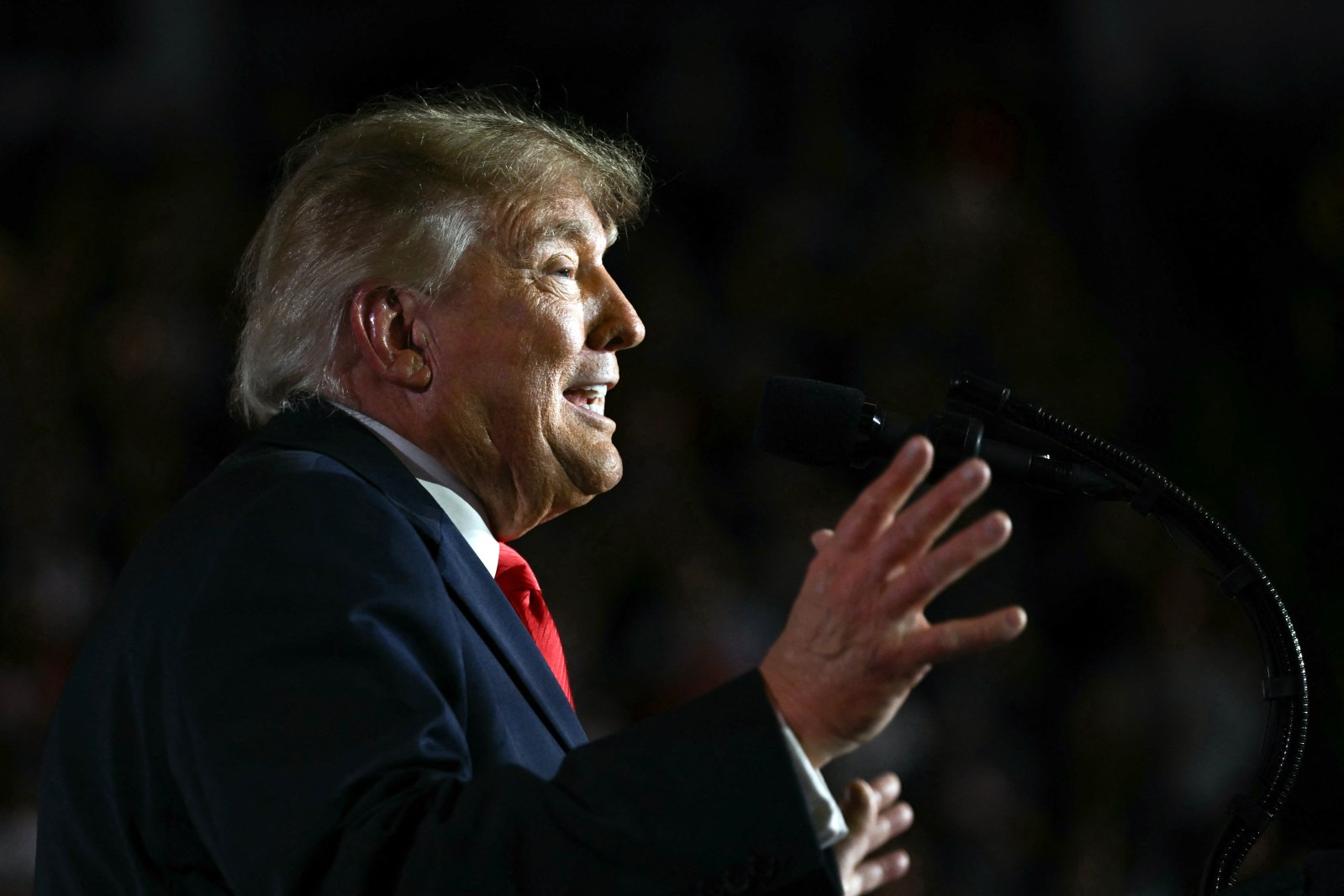
President Trump Signals a Shift in Tone on Canadian Trade Talks
President Donald Trump has adopted a more diplomatic approach towards Canada as the two nations begin discussions on trade. This development emerges amid U.S. economic concerns playing a crucial role leading up to the midterm elections.
Canadian Prime Minister Mark Carney announced on X that he and President Trump discussed resolving their longstanding trade conflict. Representatives from both countries are preparing to advance the negotiations further.
Trump later confirmed their exchange, suggesting that an agreement might be close following months of tariffs and disagreements that strained the neighboring countries’ relations.
Trade Discussions Amid U.S. Economic Concerns
The potential talks happen during a pivotal moment for President Trump. American voters have been turning out in high numbers before Election Day on November 3. The cost of living is consistently a top concern, with scrutiny increasing over Trump’s economic management.
His tariffs on Canadian products, aimed at safeguarding U.S. industries and securing better trade terms, have created challenges for American businesses reliant on trade with Canada.
Carney and Trump Express Optimism
Carney stated he had a productive conversation with Trump about an agreement that would support job creation, enhance affordability, and protect Canada’s sovereignty. “Our teams will now be working in the coming weeks to deliver that outcome,” Carney said on X.
Speaking to the media in Iowa, Trump expressed similar optimism. “We have the concept of a very good deal with Canada,” Trump said, suggesting that such an agreement would benefit American farmers and raise the prospect of reviving the Keystone XL oil pipeline, blocked by former President Biden in 2021.
While the media reported swift exchanges, no agreement terms have been announced, with negotiations expected to extend beyond Tuesday’s election. This open dialogue marks a change from the confrontation dominating Washington-Ottawa relations this year.
Impact of the Trade Dispute
Canada exited negotiations in August, opposing American demands that Carney claimed threatened Canada’s sovereignty and industrial sectors. In response, Trump imposed 50 percent tariffs on $20 billion of Canadian goods, prompting Ottawa’s retaliatory measures.
This dispute affected both countries. Many U.S. manufacturers rely on Canadian steel, aluminum, and automotive components, while various exporters count on Canadian customers. The tariffs escalated business costs, with Ottawa’s retaliations making some American products pricier for Canadians.
This impact is sensitive in battleground midterm races in states like Michigan, heavily reliant on cross-border automotive industry operations, and has evolved into an election issue in northern states like Maine.
Political Challenges and Polls
For Trump, easing tariff tensions emerges during a politically tough period. A Reuters/Ipsos poll from October 26 indicated a presidential approval rating of 32 percent, with 73 percent of respondents feeling the cost of living is worsening. Additionally, Democrats led Republicans by 47 to 36 percent among registered voters ahead of the midterms.
Official inflation data highlights pressures on American households. Consumer prices increased by 3.7 percent over the year to September, with gas prices rising 9.1 percent in the same month, according to the Bureau of Labor Statistics. Consumer confidence has also declined, with the University of Michigan’s index dropping to 48.0 in October from 53.6 a year earlier.
Trump argues that tariffs strengthen U.S. manufacturing, protect jobs, and enhance Washington’s leverage in negotiations. However, these measures have increased costs and uncertainty for U.S. companies with cross-border supply chains.
A potential agreement with Ottawa could relieve some pressures, although it is uncertain what each side might concede. Despite Trump’s favorable tone, Canada is increasingly exploring economic opportunities beyond the U.S. Carney aims to double Canadian exports to countries other than the U.S. within a decade.
Nonetheless, Canada’s economy is deeply integrated with the U.S., with around 70 percent of its exports going south of the border. It remains unclear if Trump’s conciliatory approach will lead to a deal between the North American neighbors.
Leave a Reply