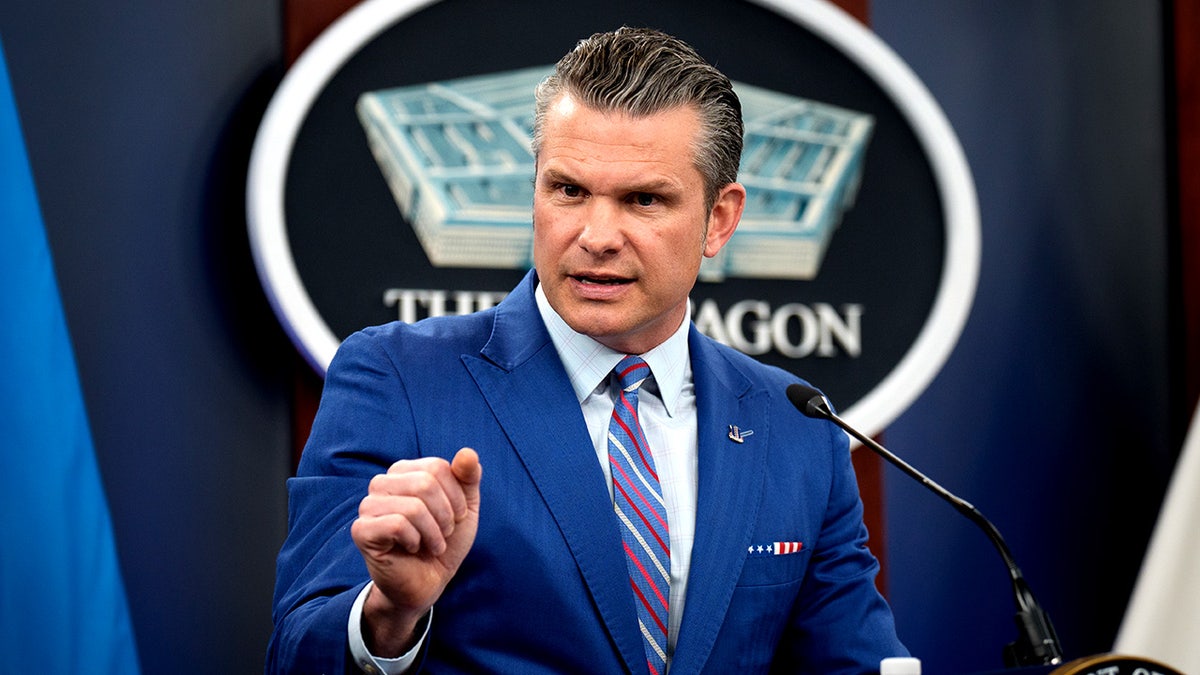
The period following the 2016 presidential election saw heightened scrutiny on foreign meddling in U.S. elections. This led to concerns about the integrity of the American voting system. Now, a decade later, Secretary of War Pete Hegseth is making efforts to ensure foreign adversaries do not interfere in the upcoming elections.
Hegseth’s directive orders America’s military intelligence and cyber agencies to prioritize election security as what he terms a “no-fail mission.”
In September, the Pentagon chief expanded this mission beyond U.S. Cyber Command and the National Security Agency. He instructed the entire Defense Intelligence Enterprise, including military and geospatial intelligence agencies, to activate against foreign election threats. The directive calls for these agencies to mobilize every authorized asset, capability, and partnership.
During a Pentagon news conference, Hegseth emphasized the significance of this initiative. However, details on the Pentagon’s operational changes remain unclear as the Department of War and Cyber Command have provided limited information.
Military intelligence agencies are tasked with identifying foreign hackers and influence operations overseas. They will alert civilian agencies about potential threats targeting U.S. facilities. Cyber Command may take necessary actions against foreign actors or infrastructures when authorized.
The role of the U.S. military primarily focuses on threats outside American borders. State and local officials supervise elections, while agencies like the FBI and Department of Homeland Security manage domestic election security.
Previously established efforts like the “Russia Small Group” and the joint Election Security Group combined intelligence-gathering capabilities and operations against foreign threats. This collaborative approach emerged ahead of the 2018 midterms and evolved for subsequent elections.
By 2022, Gen. Paul Nakasone described election security as an “enduring, no-fail mission,” reinforcing the military’s role in understanding foreign adversaries and operating overseas.
As foreign interference remains a possibility, Gen. Joshua Rudd assured lawmakers that Cyber Command is prepared to support election security efforts as required.
Despite concerns, U.S. intelligence officials have not found evidence indicating foreign interference with voting machines or election infrastructure. However, officials continue to track influence efforts from foreign entities including Russia, China, and Iran, with Russia considered the most active threat.
U.S. elections present attractive targets for foreign adversaries. Their interference can influence American voters and affect U.S. policies and public opinion.
Lawmakers warned about disinformation campaigns targeting candidates and undermining election confidence. Particularly, Russia’s disinformation effort is a cause for concern according to intelligence assessments.
The Pentagon’s response focuses on threats originating overseas, while civilian agencies handle the domestic side. Hegseth’s directive underscores the importance of this mission within military intelligence, although specifics on changes in resources or personnel remain undisclosed.
Leave a Reply