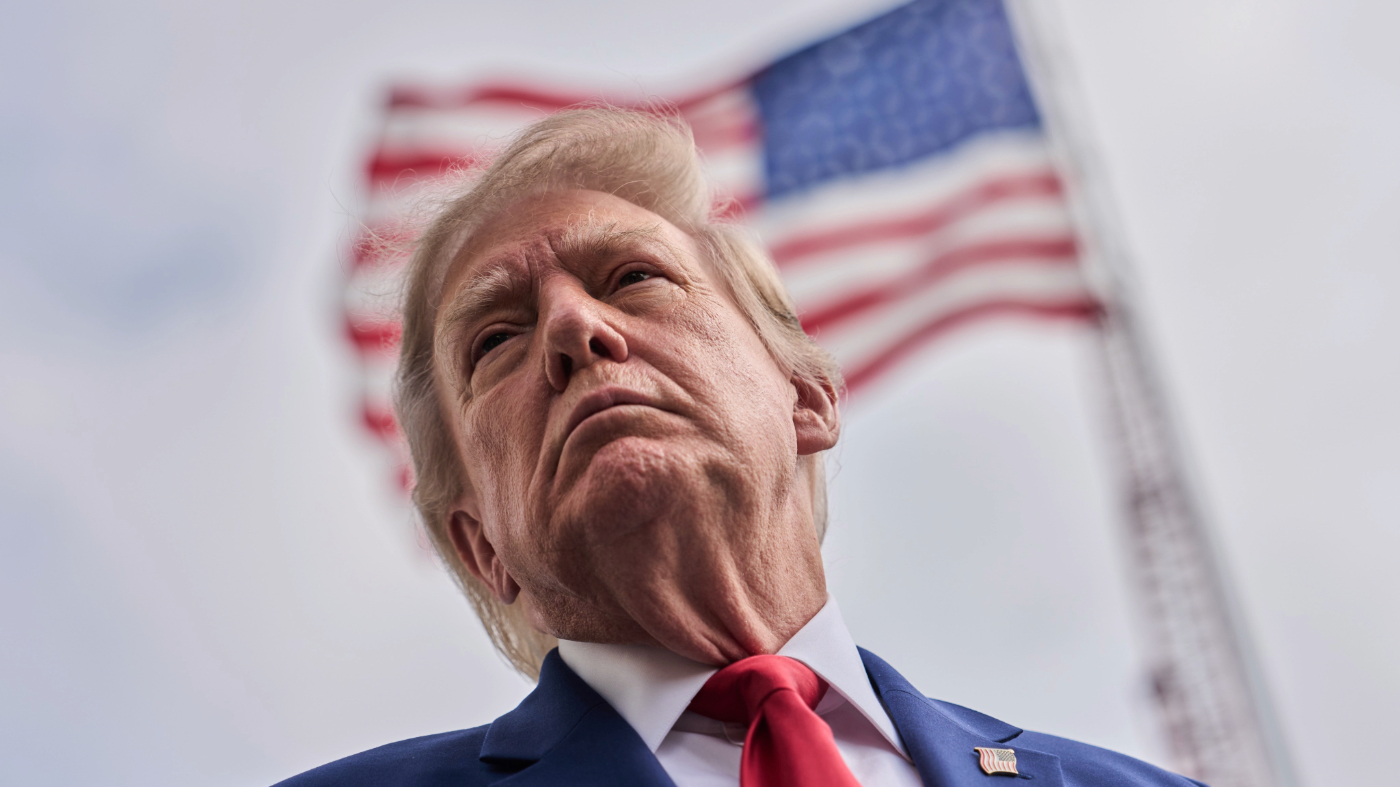
The American flag waved behind President Donald Trump as he addressed reporters before heading to Marine One at the White House’s South Lawn on October 16, 2026. This year’s midterm elections saw ad spending reach over $11.21 billion, surpassing the $11.2 billion spent during the 2024 presidential race. This massive expenditure highlighted a particularly intense election cycle.
Despite the extensive campaign efforts, the Republican Party struggled to present voters with a clear plan to address the economic challenges exacerbated by Trump’s presidency. The party faced significant difficulties, burdened by an unpopular president and a severe affordability crisis. They completed the elections exhausted and alienated many of the voting blocs they had secured in 2024.
As election night unfolded, the long-anticipated Democratic surge became apparent. Democrats achieved notable Senate victories in states like Kansas, Iowa, Texas, Ohio, South Carolina, and North Carolina. In Texas, James Talarico defeated Trump’s chosen candidate, Ken Paxton, by nearly 20 points. Democrats also made significant gains in the Deep South, capturing governor positions in Texas and Georgia. Keisha Lance Bottoms became Georgia’s first Black female governor, achieving a historic milestone.
The scale of the Democratic victories was such that even Trump conceded the legitimacy of the elections, marking a rare departure from his usual stance on election fraud claims. The outcomes sent ripples through the MAGA movement, revealing cracks as Republicans grappled with Trump’s diminishing political influence.
Signs of internal discord surfaced when Florida Governor Ron DeSantis publicly disagreed with Trump on issues like the Iran War and immigration. Key Trump supporters, such as Rep. Scott Perry, lost their seats, leaving Trump facing 2027 with diminished support in Congress. Post-January 6, Trump finds himself politically weakest, resembling a lame-duck president.
In stark contrast, Democrats experienced a revival. From their 2024 loss, they emerged more united and strategically focused. Capitalizing on Trump’s economic and foreign policy missteps, they appealed strongly to diverse voter groups. Their messaging strategically focused on Trump’s role in worsening living conditions, particularly through an affordability crisis.
Exit polls from the Associated Press showed affordability and public corruption as top voter concerns, with a majority attributing declining living standards to Trump. The Republicans, offering no meaningful solutions, now face increased voter disillusionment and a weakened party base. The GOP remains tied to a president seemingly oblivious to his declining popularity.
Considering these dynamics, Republicans may begin contemplating a future beyond Trump, but severing ties with him poses its own challenges.
Max Burns is a Democratic strategist and founder of Third Degree Strategies. Copyright 2026 Nexstar Media Inc. All rights reserved. Content not for reproduction or redistribution.
Leave a Reply