On Tuesday night, Democrats achieved significant victories in the 2026 midterm elections, capturing both the House of Representatives and the Senate. This shift saw the defeat of longstanding Republican seats, leading to political repercussions and setting the stage for upcoming battles in Congress.
The Democratic Party flipped Senate seats in multiple states, including Iowa, Kansas, Maine, North Carolina, Ohio, South Carolina, and Texas. Similarly remarkable outcomes were seen in the House races. As a result, Chuck Schumer and Hakeem Jeffries from New York are poised to lead the Senate and House, respectively. “America is back,” stated Jeffries. Schumer noted that they won “against all odds,” bringing “relief” to the nation.
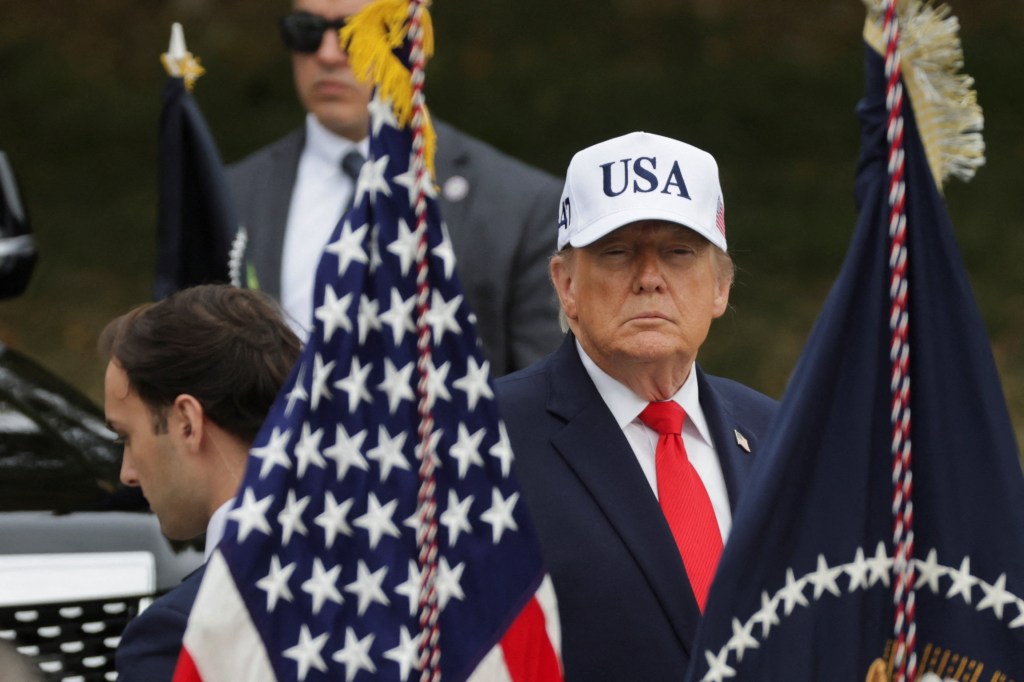
U.S. President Donald Trump, who had motivated voters to act as if he were on the ballot, faced rejection. An Associated Press exit poll showed 62% of voters blamed his policies for rising prices, and 71% believed Congress should do more to limit his power. In a post-election call with Fox News, Trump acknowledged the Democrats’ effort, committing to cooperation during his remaining term. He attributed some blame to the conflict with Iran, emphasizing its impact on energy prices. “People agree with what I’m doing on Iran,” he said, but admitted they were reluctant to face short-term fuel cost increases.
This election marks the first time since 2006 that a party out of power regained control of both legislative chambers. Vote counting progressed slowly, leaving the final scale of defeat unclear. Notably, Democrats turned deep-red states Texas and Kansas blue in the Senate. Republican governorships in Ohio and Texas also ended, with Governor Greg Abbott suffering a surprising defeat.
Throughout the election, Trump insisted on keeping his administration intact, dismissing the notion that Cabinet members would be let go. The results foreshadow investigations that will challenge his remaining time in office, obstruct his legislative agenda, and complicate the confirmation of future Cabinet members and judges.
Many allies of Trump attributed the Democratic success to the economic impacts of the Iran war, despite the White House blaming “candidate quality.” Trump-backed candidates performed poorly, stirring criticism and calls for “lawyering up” in anticipation of upcoming inquiries.
Hakeem Jeffries celebrated the win at an election night event in Washington. Trump had prepared for the possibility of acting as “Mr. Veto” if needed in the coming years, predicting potential legislative stalemates.
Senate Minority Leader Chuck Schumer expressed optimism about Democratic efforts to reverse previous Republican advantages. The Democratic sweep realized long-held aspirations and reflected widespread discontent with the Trump administration. “Iran is what caused gas prices and diesel prices to increase — not tariffs,” a Republican strategist observed, reiterating the internal divide over the war’s repercussions.
With Trump’s historically low approval ratings and the economic strain from the Middle East conflict, the party faced criticism for candidate quality and communication failures. House Speaker Mike Johnson acknowledged these challenges, emphasizing the historic difficulty in achieving electoral success in such circumstances.
Leave a Reply