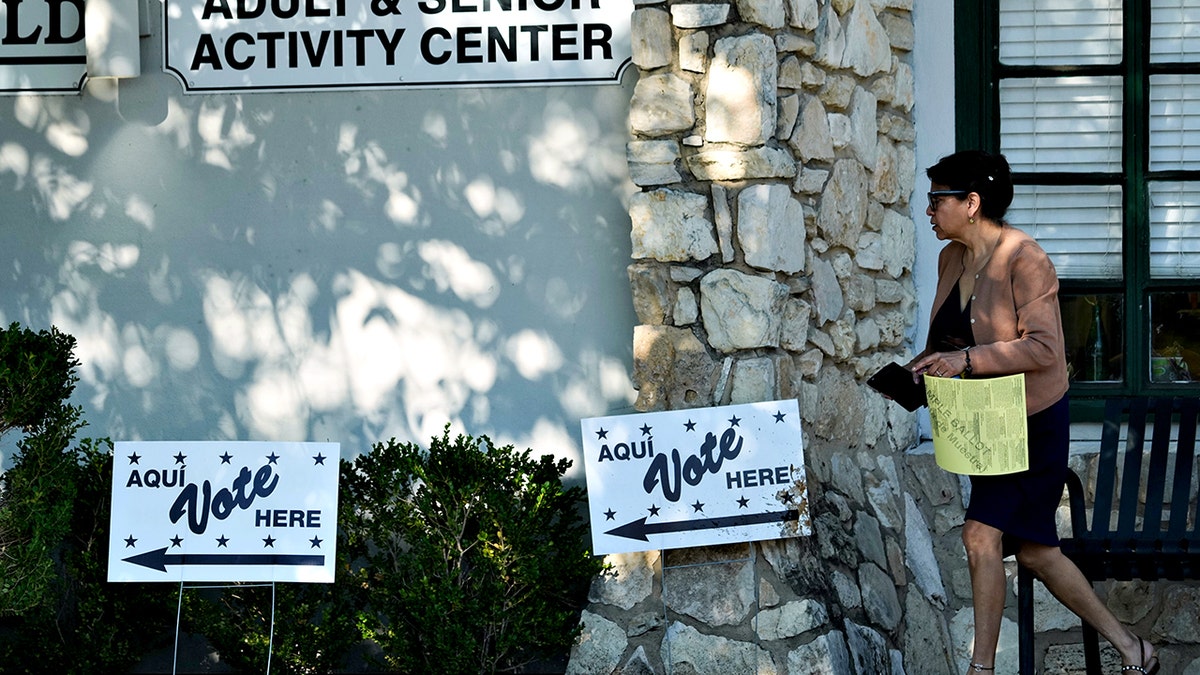
Republican-Led Redistricting Efforts in Texas
Recent Republican efforts in Texas have focused on redrawing voting districts ahead of the 2026 midterm elections. These changes aim to reshape key House races, influence the balance of power in Congress, and may lead to legal and political challenges.
The Outcome in Texas’ 35th Congressional District
Democrat Johnny Garcia secured victory in Texas’ newly configured 35th Congressional District. This area was initially set up to favor a Republican win after Democratic Rep. Greg Casar moved to another district. Garcia, a Bexar County Sheriff’s Deputy, defeated Republican Carlos De La Cruz, an Air Force veteran with endorsement from Donald Trump. Garcia expressed gratitude to his voters and pledged to work on reducing costs, making healthcare affordable, and ensuring community safety.
Implications of the Race
The race showcased the effects of Texas Republicans’ redistricting strategy, aiming to bolster GOP’s influence in the U.S. House. In 2025, significant district changes were implemented, transforming a Democratic region into a Republican-favored area, as per Trump’s suggestions. These adjustments forced the Democratic incumbent, Casar, to switch to the 37th Congressional District.
Backgrounds of the Candidates
Garcia and De La Cruz brought diverse backgrounds to the race. De La Cruz has a military background and family ties to politics, with his sister representing another Texas district. Garcia focused his campaign on moderate Democratic values, emphasizing issues important to working families.
Primary Runoff Results
Both candidates triumphed after competitive primary runoffs. De La Cruz defeated Republican state Rep. John Lujan, while Garcia surpassed Democratic rival Maureen Galindo.
Significance for Hispanic Voters
The Hispanic-majority electorate in the 35th District raised questions about the sustainability of Trump’s support among Hispanic voters in future elections, particularly without him directly on the ballot.
Broader Implications
While the result impacted South Texas, it served as a test for the effectiveness of redistricting in translating presidential voting trends into congressional success. The race reflected candidate appeal and evolving voter priorities beyond party-based strategies.
With U.S. House control at stake, races like these across Texas garnered attention from political parties nationwide.
Leave a Reply