The 2026 midterm elections have concluded, leaving Republicans with critical issues to address. Analysts will spend weeks dissecting the outcomes, discussing who is accountable, and what the implications are for the 2028 presidential race. Three significant challenges emerged, which conservatives must confront urgently to avoid prolonged repercussions.
Need for a Compelling Vision
The foremost issue is the lack of an inspiring vision for America’s future. While socialists advocate for radical societal changes, Republicans have not presented a similarly transformative agenda. Common themes like tax reduction and border security don’t offer the bold vision needed to engage and inspire the electorate, particularly younger voters.
Republicans must envision a country where small businesses and families thrive through favorable tax policies and deregulation. This includes a shift in power from the federal government to state and local authorities, enabling communities to align with their values while reducing constant ideological conflicts.
Addressing the Affordability Crisis
The second challenge is the unaddressed affordability crisis that propelled Trump back to the presidency in 2024. Rising costs of housing, food, and energy remain pressing concerns. Although there has been some progress, the affordability issue largely persists.
Home prices saw a staggering increase of 54% from January 2020 to December 2024. Subsequent growth during the Trump administration has slowed but not reversed the trend. Elevated mortgage rates have compounded the challenge, making homeownership difficult for many, especially first-time buyers.
Though the Trump administration has implemented beneficial economic reforms, such as deregulation and pro-energy policies, it has also engaged in deficit spending. Such spending inflates prices by boosting demand without increasing supply. Long-term solutions require sharp cuts in federal spending and removing barriers that hinder business expansion.
War in Iran and Public Sentiment
The third issue is the unpopular handling of the war in Iran. Trump’s administration struggled to rally public support, leading to internal divisions within his political base. These fractures, particularly during an election cycle, were detrimental.
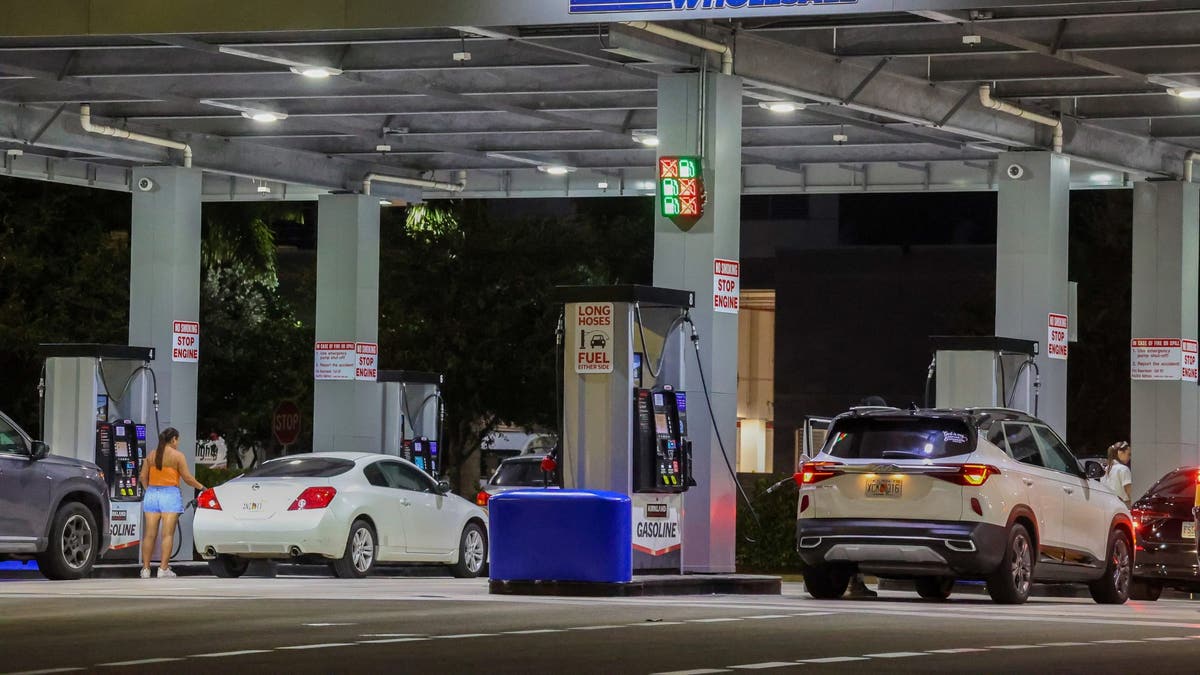
The war exacerbated economic pressures, with increased gasoline and energy costs further straining families. The prolonged conflict has raised doubts about government priorities among voters seeking domestic solutions.
While the war’s justification remains debated, the president must effectively communicate its necessity and objectives. Failure to do so erodes public trust and support for the administration’s broader goals.
The lessons from the 2026 midterms extend beyond congressional control. As the 2028 presidential election approaches, Republicans must recalibrate by developing a robust vision, enhancing affordability, and aligning government priorities with public concerns to avoid the dominance of progressive policies.
Leave a Reply