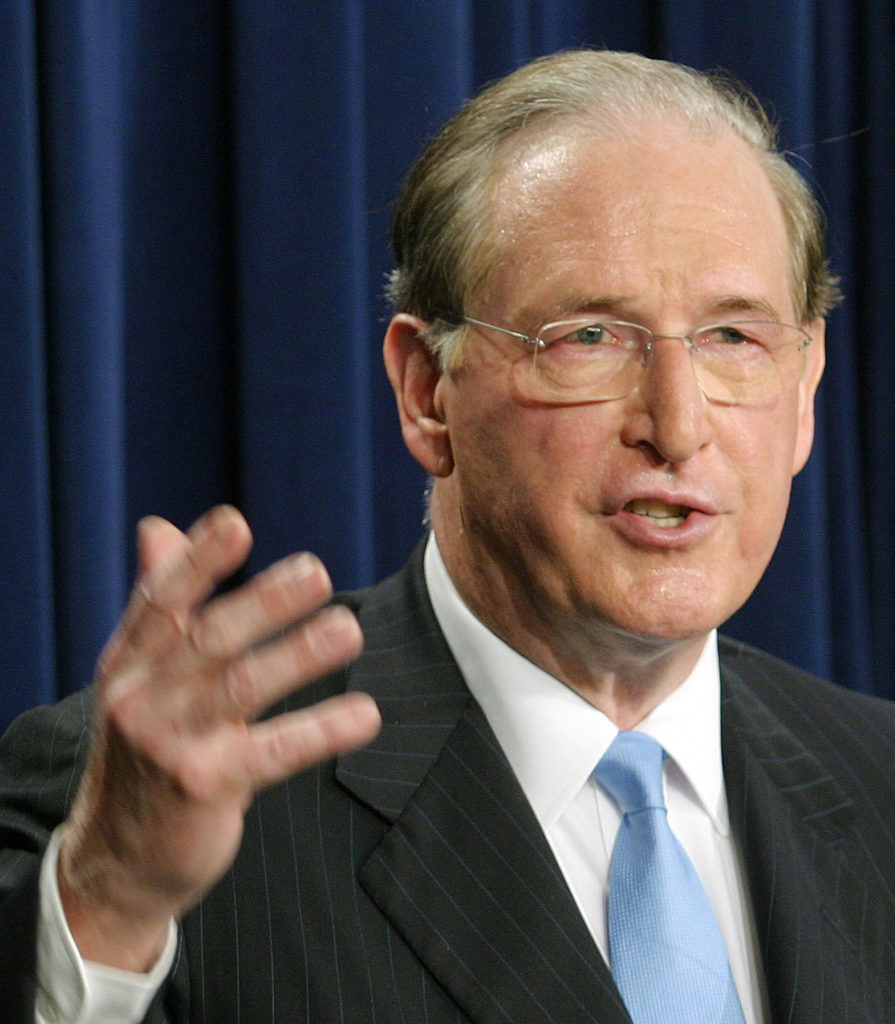
Jay Rockefeller, the last of his family’s political dynasty and a notable Democrat, passed away at the age of 89. He served as both West Virginia’s governor and a long-time U.S. senator. Mary Stewart, vice president for external affairs at WETA, confirmed his death at his home in Washington. Rockefeller spent over fifty years in public service, notably in West Virginia, a state known for its economic challenges.
Early Life and Career
John D. Rockefeller IV was born in New York City, with a lineage that included Standard Oil Co. founder John Rockefeller and philanthropist John D. Rockefeller III. Despite his family’s wealth and Republican ties, Jay Rockefeller chose a different path. He arrived in West Virginia in 1964 as part of the Volunteers in Service to America program. His work there deeply influenced his political career and beliefs.
In 1966, he became a Democrat and won a seat in the state House of Delegates. Combining financial resources with dedication, Rockefeller advanced from state legislator to secretary of state to governor. A political defeat in 1972 to Arch A. Moore Jr. was a catalyst for growth and preparedness for future victories. Notably, Moore’s daughter, Shelley Moore Capito, later succeeded Rockefeller in the Senate in 2014.
Governorship and Contributions
Rockefeller’s tenure as governor was marked by significant infrastructure advancements, which he emphasized as vital for West Virginia. Current Governor Patrick Morrissey commended him for the work he did to improve healthcare, protect coal miners, and support veterans.
Senate Career and Achievements
His administrative talents and commitment shone through during his tenure. Rockefeller won a U.S. Senate seat in 1984 after defeating Arch Moore again and succeeding longtime Democrat Jennings Randolph. He was instrumental in passing significant legislation. His contributions include the Children’s Health Insurance Program launched in 1997, aimed at assisting low-income families.
Despite facing criticism over his wealth, Rockefeller was unapologetic about using his resources in political races. He spent millions of his own money in elections and carved a niche of influence over his five-term senate career. As chairman of the Senate Committee on Commerce, Science, and Transportation, he took steps to protect consumers and enhance broadband infrastructure.
Rockefeller also oversaw vital committees dealing with Veterans’ Affairs and Intelligence. He sometimes clashed with President George W. Bush, especially over foreign policy. Importantly, he expressed regret for his vote supporting the Iraq war in 2002.
Impact on West Virginia
His advocacy extended to supporting West Virginia’s coal industry, opposing federal regulations that he believed were detrimental to the state economy. Additionally, his early life studies in Tokyo facilitated valuable ties with Japan, bringing significant business ventures to West Virginia. A notable achievement was attracting Toyota’s engine parts plant, which provided thousands of jobs.
Leave a Reply