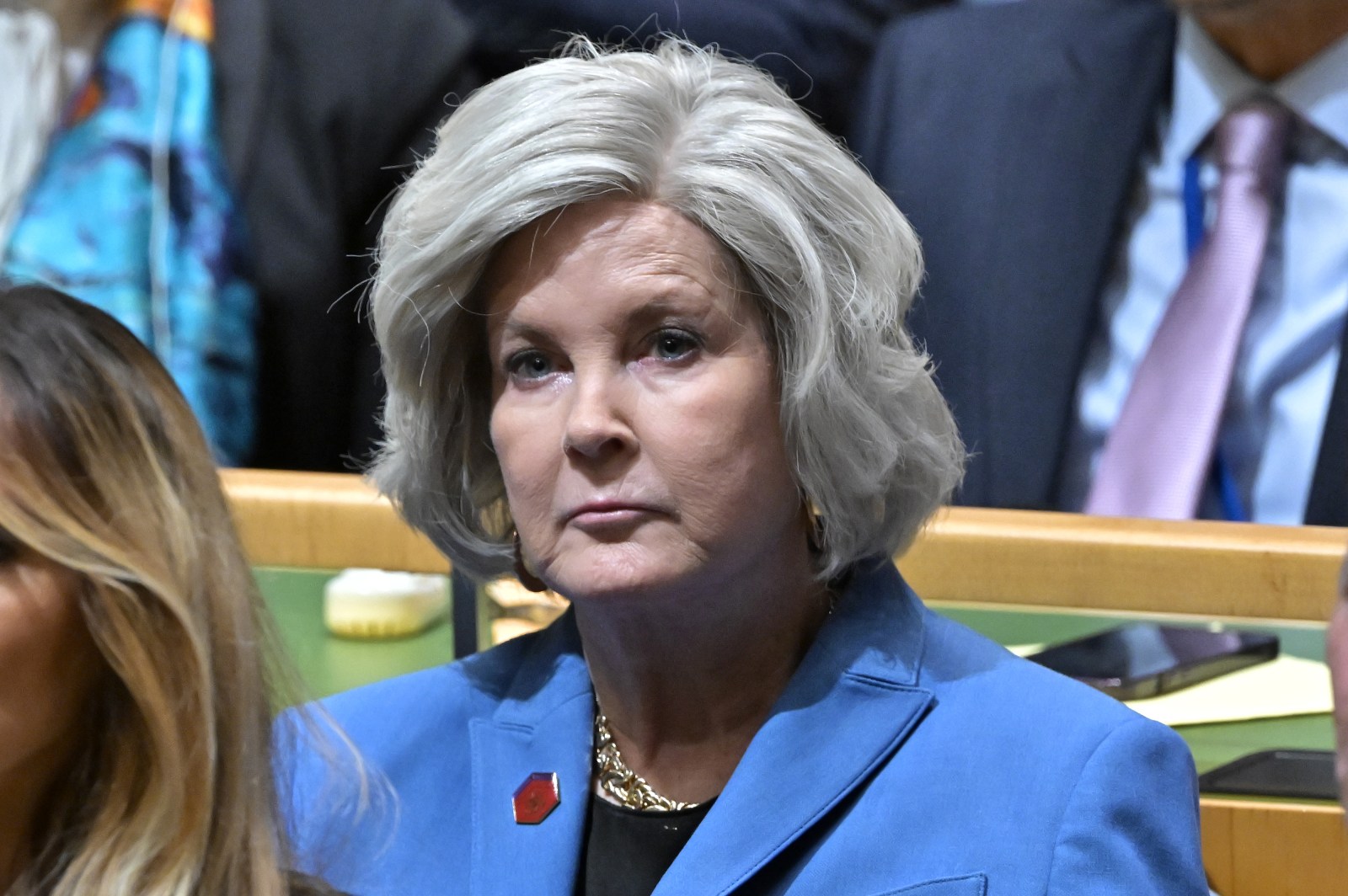
President Donald Trump has initiated a significant change in his administration by appointing Stephen Miller as the new White House Chief of Staff, replacing Susie Wiles. This decision follows the Republican Party’s significant midterm defeat, raising questions about further potential departures within the administration.
Personnel Change: Miller Takes Over
Trump announced on Truth Social that Miller, a close adviser and current Deputy Chief of Staff, would assume his new role starting Monday. Wiles will transition to Trump’s political operation, indicating she will still hold influence despite leaving one of the White House’s most powerful positions.
“I am pleased to announce that Mr. Stephen Miller, the current Deputy Chief of Staff of the Trump Administration, and one of my most trusted advisors, will become the Chief of Staff starting Monday, November 9, 2026,” Trump wrote.
Wiles expressed her gratitude in a post, highlighting her achievements under Trump’s leadership and her continued commitment to his political goals.
The Impact of Political Defeat and Leadership Change
The Republican losses prompted discussions about potential restructuring within Trump’s administration. Many are questioning what direction Miller, a significant influence in Trump’s domestic policy, will lead the administration.
In broader terms, the shake-up extends beyond the chief of staff’s office. Figures such as Secretary of State Marco Rubio and Defense Secretary Pete Hegseth are under scrutiny, with some facing potential departures.
Scrutiny on High-Profile Officials
Hegseth, in particular, is facing criticism related to the unpopular Iran war, cited by voters as contributing to Republican losses. Speculation remains about whether he or others will depart following the defeat.
Marco Rubio is discussed as a potential 2028 presidential candidate. His future in Trump’s cabinet might reflect his political ambitions more than an administrative overhaul.
Vice President JD Vance has highlighted the Iran war as a central factor in the recent electoral defeat, suggesting the topic requires more honest discussion.
Trump’s Statement on Cabinet Stability
While Trump initially suggested he was not planning a broad Cabinet reshuffle, recent actions contradict this stance. Trump mentioned changes might occur without specifying which roles could be affected.
Despite doubts, spokesperson Danielle Alvarez emphasized the administration’s unified focus, dismissing speculations about immediate staff upheavals as politically motivated and not reflective of actual plans.
Looking Forward: Potential Restructuring
Post-election shifts are not uncommon after midterm defeats, although historical patterns show cabinet purges are rare. Changes often symbolize responsive actions to political circumstances rather than direct efforts to boost approval ratings.
Stephen Miller’s role as Chief of Staff indicates Trump’s intent to emphasize his policy agenda and strengthen internal loyalty amidst political challenges. The administration’s future direction, and the extent of any further restructuring, could shape its ability to respond effectively to upcoming electoral and political pressures.
Leave a Reply